
What Is a Micro Surfacing Paver Machine: Importance, Features, and Use Cases
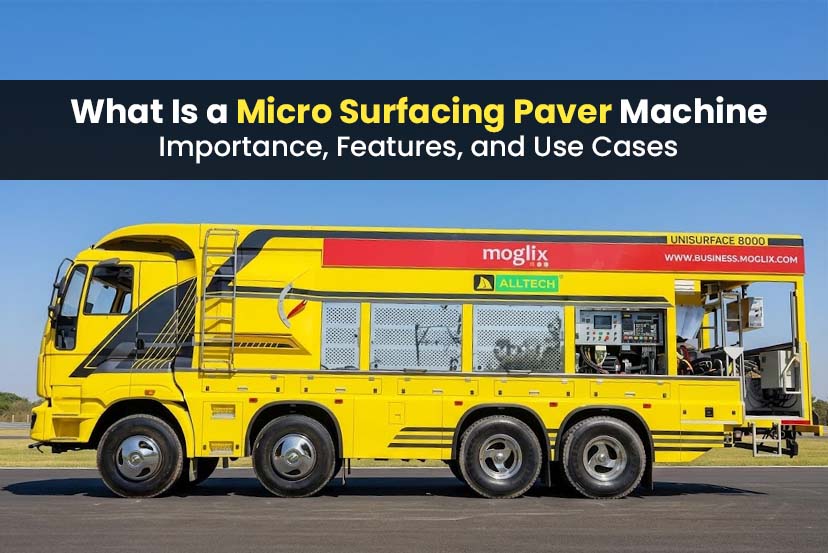
Road maintenance is one of the most important parts of infrastructure management, and a micro surfacing paver machine plays a major role in keeping roads smooth, safe, and durable. It is a specialized construction machine used for applying a thin protective layer of micro surfacing mixture on roads, highways, parking areas, and airport runways.
This process helps restore worn-out surfaces, improve skid resistance, and extend pavement life without requiring complete road reconstruction. For contractors, municipalities, and highway authorities, micro surfacing has become one of the most cost-effective and efficient road preservation methods.
What Is a Micro Surfacing Paver Machine?
A micro surfacing paver machine is a self-contained road maintenance machine designed to mix and spread a specially prepared slurry made from polymer-modified asphalt emulsion, crushed aggregate, water, mineral fillers, and additives. The machine continuously blends these materials in the right proportion and lays them evenly on the road surface through a spreader box.
Unlike traditional resurfacing methods, micro surfacing does not involve thick asphalt layers. Instead, it creates a thin, strong, and durable coating that seals minor cracks, corrects surface irregularities, and improves the overall road texture. Because of its fast-curing time and minimal traffic disruption, this machine is widely used in modern road repair and preventive maintenance projects.
Why Is a Micro Surfacing Paver Machine Important?
A micro surfacing paver machine is important because it helps maintain roads before damage becomes severe. Instead of waiting for potholes and cracks to worsen, road contractors use micro surfacing to protect pavements at an early stage. This preventive maintenance approach reduces long-term repair costs and improves road performance.
The machine is especially valuable in high-traffic areas where roads need quick rehabilitation without long closures. Since micro surfacing sets quickly, roads can often reopen to traffic within a short period. It also enhances road safety by providing a fresh, skid-resistant surface, which is essential during rainy conditions and heavy vehicle movement.
How Does a Micro Surfacing Paver Machine Work?
The working process of a micro surfacing paver machine is highly efficient and designed for continuous road treatment. The machine typically follows these steps:
1. Material Loading
The machine is loaded with aggregate, asphalt emulsion, water, filler, and additives in separate storage compartments.
2. Controlled Mixing
An onboard mixing system combines all materials in accurate proportions to create a uniform micro surfacing mixture.
3. Surface Application
The mixture is then delivered to the spreader box, which lays it evenly on the road surface.
4. Surface Leveling
The spreader box ensures the mixture is distributed smoothly and consistently, helping fill shallow ruts and surface imperfections.
5. Fast Curing
Once applied, the mixture cures quickly and becomes ready for traffic in a short time.
This automated and continuous process makes the machine ideal for large road maintenance projects requiring speed and precision.
Key Components of a Micro Surfacing Paver Machine
A micro surfacing paver machine is made up of several important components that work together to ensure smooth operation and high-quality road treatment.
Aggregate Hopper
This section stores the stone aggregates used in the surfacing mix.
Asphalt Emulsion Tank
It holds polymer-modified asphalt emulsion, which acts as the binding material.
Water Tank
Water is used to control the consistency of the mix and support proper blending.
Additive and Filler Tank
These compartments store cement or other additives that improve the setting and bonding characteristics.
Mixing Unit
The mixing chamber blends all ingredients in the correct ratio before application.
Spreader Box
This is the final application unit that spreads the micro surfacing layer evenly over the road.
Control Panel
Modern machines include a user-friendly control panel that helps operators monitor flow rate, mix consistency, and machine speed.
Top Features of a Micro Surfacing Paver Machine
A modern micro surfacing paver comes with several advanced features that make it suitable for professional road maintenance work.
1. Continuous Mixing System
The machine can continuously mix and apply the surfacing material, ensuring uninterrupted road work and better productivity.
2. Accurate Material Proportioning
It is designed to maintain the right ratio of aggregate, emulsion, water, and additives for a consistent mixture.
3. Hydraulic Controls
Hydraulic systems improve machine handling, material flow control, and spreader box adjustments.
4. Adjustable Spreader Box
The spreader box can be adjusted according to road width and surface conditions for uniform application.
5. High Production Capacity
A micro surfacing paver machine can cover long road stretches in less time, making it suitable for highways and urban roads.
6. Durable Construction
These machines are built with robust materials to withstand harsh construction environments and continuous field use.
7. Easy Operation and Maintenance
Modern machines are designed for operator convenience and easier cleaning, inspection, and servicing.
Benefits of Using a Micro Surfacing Paver Machine
There are several reasons why road contractors and infrastructure agencies prefer using a micro surfacing paver machine.
- Extends Road Life
It adds a protective layer to existing pavement, helping roads last longer.
- Reduces Road Repair Costs
Preventive maintenance is much more affordable than complete resurfacing or reconstruction.
- Improves Surface Texture
The machine helps create a smooth, uniform, and skid-resistant road finish.
- Minimizes Traffic Disruption
Since the material cures quickly, roads can reopen sooner than traditional resurfacing methods.
- Eco-Friendly Solution
Micro surfacing uses fewer raw materials compared to full road replacement, making it a more sustainable road repair method.
- Better Road Safety
It improves tire grip and reduces the chances of skidding, especially on wet roads.
Common Use Cases of a Micro Surfacing Paver Machine
A micro surfacing paver machine is used in many types of road maintenance and rehabilitation projects. Below are some of the most common applications:
1. Highway Maintenance
Highways experience continuous heavy traffic and surface wear. Micro surfacing helps restore these roads quickly and effectively.
2. Urban Roads and Streets
City roads often develop surface cracks, minor rutting, and polishing. This machine is ideal for urban road preservation.
3. Airport Runways
Airport authorities use micro surfacing to improve skid resistance and maintain pavement quality on runways and taxiways.
4. Parking Lots
Commercial and industrial parking areas can be treated with micro surfacing to improve appearance and durability.
5. Residential Roads
Housing societies and township roads can benefit from micro surfacing as a fast and economical maintenance option.
6. Industrial Premises
Factories, logistics hubs, and warehouse access roads often require durable surface treatment, making this machine highly useful.
Factors to Consider Before Buying a Micro Surfacing Paver Machine
If you are planning to invest in a micro surfacing paver machine, here are some important factors to consider:
Machine Capacity
Choose a machine based on the volume of road maintenance work you handle.
Mixing Accuracy
Consistent material proportioning is essential for high-quality surfacing results.
Build Quality
Look for a machine with strong construction and durable components.
Ease of Operation
User-friendly controls and automation features can improve job efficiency.
Service and Spare Parts
Make sure the machine has reliable after-sales support and easy spare part availability.
Fuel Efficiency
A fuel-efficient machine helps reduce operating costs over time.
Brand Reputation
Buying from a trusted manufacturer ensures better quality, performance, and long-term reliability.
Where To Rent or Hire a Micro Surfacing Paver Machine At Competitive Prices?
If you want to rent or hire a micro surfacing paver machine at competitive prices, one of the most practical options is Moglix, especially for infrastructure, road construction, and project-based equipment sourcing in India. Instead of spending time contacting multiple vendors individually, Moglix works as a B2B procurement and equipment hiring platform where businesses can raise an enquiry, compare available options, and request a quote based on project requirements.
Its infrastructure rental pages show a quote-based hiring model rather than fixed online pricing, which is useful for machines like micro surfacing pavers, where cost depends on location, rental duration, machine capacity, operator support, and project scale.
Conclusion
A micro surfacing paver machine is an essential road maintenance piece of equipment used to apply a thin, durable, and skid-resistant protective layer on worn pavements. It plays a vital role in extending road life, reducing maintenance costs, improving safety, and minimizing traffic disruption. From highways and city roads to airport runways and industrial surfaces, this machine is widely used across multiple infrastructure applications.
For contractors and road maintenance agencies, investing in a high-quality micro surfacing machine can significantly improve project efficiency and long-term pavement performance. As preventive maintenance continues to gain importance in the construction industry, micro surfacing paver machines are becoming a smart and practical solution for modern road care.
FAQs
1. What is a micro surfacing paver machine used for?
A micro surfacing paver machine is used for applying a thin protective road maintenance layer made of asphalt emulsion, aggregates, water, and additives.
2. What are the benefits of micro surfacing?
Micro surfacing improves road life, surface texture, skid resistance, and helps reduce road maintenance costs.
3. Where is a micro surfacing paver machine commonly used?
It is commonly used on highways, city roads, airport runways, parking lots, residential roads, and industrial areas.
4. How is micro surfacing different from slurry seal?
Micro surfacing uses polymer-modified emulsion, cures faster, and performs better on high-traffic roads compared to slurry seal.
5. Is micro surfacing a cost-effective road maintenance method?
Yes, it is considered one of the most economical and efficient preventive maintenance solutions for roads.


 Back
Back