
Types of Concrete Pump for Rent – A Complete Guide
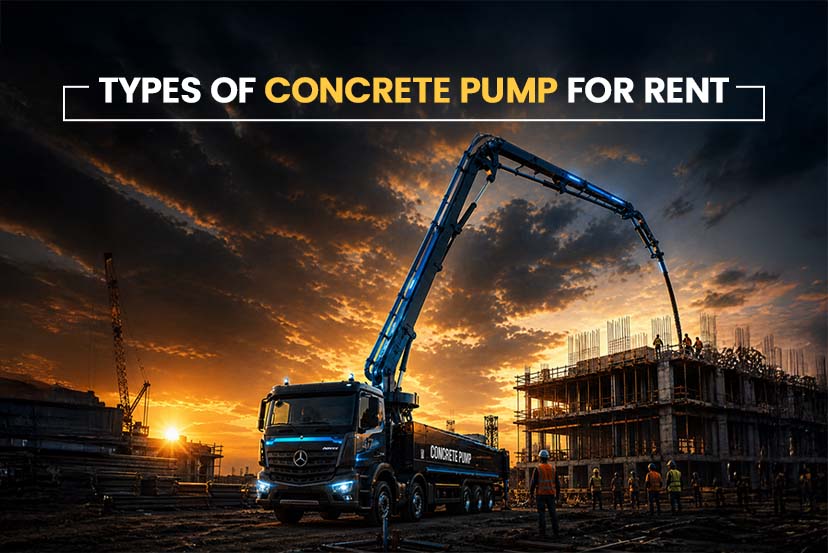
Concrete pumps have become an essential part of modern construction projects, especially where speed, efficiency, and precision are critical. Whether you are working on residential construction, commercial buildings, roads, or infrastructure projects, renting a concrete pump from platforms like Moglix can help reduce labor costs and improve productivity.
In this comprehensive guide, we will explore the different types of concrete pumps available for rent, their uses, advantages, and how to choose the right one for your project.
What is a Concrete Pump?
A concrete pump is a machine used to transfer liquid concrete from the mixer to the construction site using pipelines or booms. It eliminates the need for manual transportation and ensures faster and more accurate placement of concrete.
Concrete pumps are widely used because they:
- Save time and labor
- Improve construction quality
- Allow placement in hard-to-reach areas
- Ensure continuous concrete flow
Why Rent Concrete Pumps from Moglix?
Moglix is a popular B2B platform offering industrial and construction equipment for rent or purchase. Renting from Moglix is beneficial because:
- Cost-effective for short-term projects
- Access to modern and well-maintained machines
- Flexible rental duration
- Ideal for contractors, builders, and infrastructure companies
Main Types of Concrete Pumps for Rent
Concrete pumps are broadly divided into two main categories, with several subtypes based on application and technology.
1. Boom Concrete Pump (Truck-Mounted Pump)
A boom concrete pump is mounted on a truck and features a long robotic arm (boom) that can be controlled remotely.
Key Features:
- Mounted on a truck chassis
- Equipped with a hydraulic robotic arm
- High pumping capacity
- Remote-controlled operation
Applications:
- High-rise buildings
- Large commercial projects
- Bridges and flyovers
- Infrastructure projects
Advantages:
- Covers large vertical and horizontal distances
- Reduces manual labor significantly
- Ideal for large-scale construction
Boom pumps are commonly used in projects where high volume and height reach are required.
2. Line Pump (Trailer / Stationary Concrete Pump)
A line pump uses flexible pipes or hoses to transport concrete from the pump to the desired location.
Key Features:
- Mounted on a trailer or skid
- Uses flexible hoses
- Requires manual pipe placement
Applications:
- Small to medium construction projects
- Residential buildings
- Sidewalks and swimming pools
- Ground slabs
Advantages:
- Easy to transport and set up
- Cost-effective rental option
- Works well in narrow or restricted spaces
Line pumps are ideal when precision and flexibility are more important than volume.
3. Stationary Concrete Pump
A stationary pump is a type of line pump that remains fixed at one place and pumps concrete through pipelines.
Key Features:
- Fixed installation
- Requires an external pipeline system
- High-pressure pumping
Applications:
- Long-distance concrete pumping
- High-rise construction
- Tunnels and underground works
Advantages:
- Suitable for continuous pumping
- Handles long-distance delivery efficiently
4. Trailer-Mounted Concrete Pump
This is a mobile version of the stationary pump mounted on a trailer.
Key Features:
- Can be towed to construction sites
- Uses steel or rubber pipelines
- Medium pumping capacity
Applications:
- Medium-scale construction projects
- Road works
- Foundation pouring
Advantages:
- Portable and flexible
- Lower rental cost compared to boom pumps
5. Specialized Concrete Pumps
These pumps are designed for specific construction environments.
Types include:
- Tunnel concrete pumps
- Mining concrete pumps
- Rail-mounted pumps
Applications:
- Mining projects
- Tunnel construction
- Specialized infrastructure
Advantages:
- Designed for unique working conditions
- High efficiency in niche applications
These pumps are less common and usually rented for specialized industrial projects.
6. Direct-Acting Concrete Pump
This pump works using a piston mechanism that pushes concrete through pipes.
Key Features:
- Horizontal piston operation
- Uses suction and pressure
- Semi-rotary valves
Applications:
- Controlled concrete pumping
- Projects requiring steady flow
Advantages:
- Reliable and simple mechanism
- Efficient for consistent pumping
7. Squeeze Concrete Pump (Peristaltic Pump)
This pump uses a squeezing mechanism to push concrete through a flexible hose.
Key Features:
- Uses rollers to squeeze hoses
- Simple design
- Suitable for smaller jobs
Applications:
- Repair works
- Small construction projects
Advantages:
- Low maintenance
- Easy to operate
Comparison of Concrete Pump Types
| Type | Best For | Capacity | Mobility | Cost |
| Boom Pump | High-rise & large projects | High | High | Expensive |
| Line Pump | Small-medium projects | Medium | Moderate | Affordable |
| Stationary Pump | Long-distance pumping | High | Low | Medium |
| Trailer Pump | Medium projects | Medium | High | Affordable |
| Specialized Pump | Tunnels/mines | Varies | Low | Expensive |
| Squeeze Pump | Small jobs | Low | High | Low |
How to Choose the Right Concrete Pump for Rent?
When renting a concrete pump from Moglix, consider the following factors:
1. Project Size
- Large project – Boom pump
- Small project – Line pump
2. Distance & Height
- High-rise – Boom or stationary pump
- Ground level – Line pump
3. Budget
- Limited budget – Trailer or line pump
- Premium projects – Boom pump
4. Site Accessibility
- Narrow spaces – Line pump
- Open spaces – Boom pump
Benefits of Renting Concrete Pumps from Moglix
- No upfront investment
- Access to advanced machinery
- Maintenance handled by the provider
- Flexible rental plans
- Ideal for contractors and SMEs
Conclusion
Choosing the right concrete pump can significantly impact the speed, efficiency, and quality of your construction project. Platforms like Moglix make it easier to rent concerete pump based on your specific needs.
- Boom pumps are best for large-scale and high-rise projects
- Line pumps are ideal for smaller and more flexible operations
- Stationary and trailer pumps offer a balance of cost and performance
- Specialized pumps are designed for niche applications
By understanding these types, you can make an informed decision and ensure smooth project execution.
FAQs
1. What is a concrete pump used for?
A concrete pump is used to transfer liquid concrete quickly and efficiently to construction sites. It helps in reaching heights and difficult areas where manual work is not practical.
2. What is the cost of a 1800 concrete pump?
An 1800 concrete pump typically costs ₹15 lakh to ₹30 lakh in India. The price varies based on brand, capacity, and features.
3. How much is a concrete pump per m³?
Concrete pumping charges range from ₹300 to ₹800 per m³. Costs depend on distance, height, and pump type.
4. What are the four types of pumps?
The four main types are Boom Pump, Line Pump, Truck-Mounted Pump, and Stationary Pump. Each is used based on project size, distance, and complexity.


 Back
Back