
Solar Panel Earthing: Types, Importance, Installation, Cost & Safety Guide
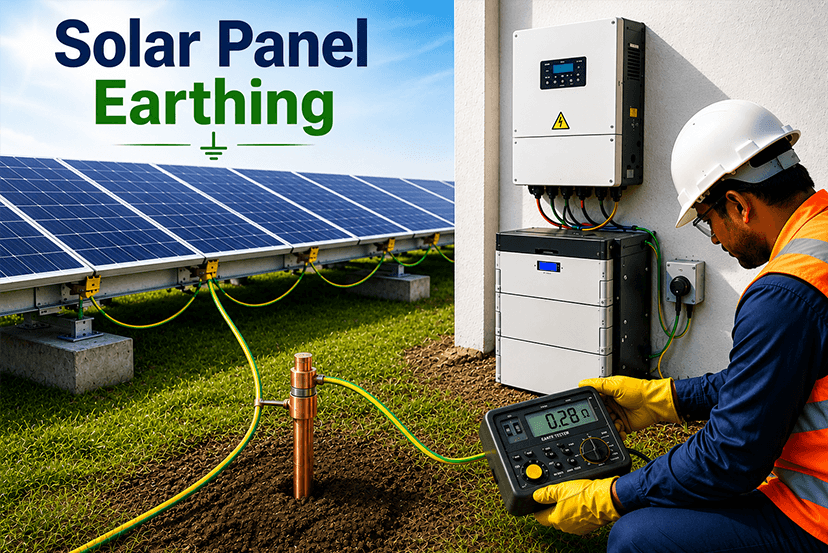
Solar energy systems are designed to generate clean and reliable electricity, but proper electrical safety is essential for their long-term performance. Solar panel earthing is one of the most important safety measures in a solar power installation. It provides a safe path for fault current, reduces the risk of electric shock, and helps protect solar panels and other system components from electrical surges and lightning-related damage. Businesses and industries looking to procure solar panel earthing kits, solar panels, and other solar equipment in bulk at wholesale prcies and solutions can easily do so from Moglix Business. We assist you in the complete setup and procurement of a solar energy system.
Whether you are installing a rooftop solar system for your home, setting up a commercial solar plant, or planning an industrial solar project, understanding the basics of earthing can help ensure a safer and more reliable installation.
What Is Solar Panel Earthing?
Solar panel earthing is the process of electrically connecting exposed conductive parts of a solar PV system to the earth through a properly designed earthing system.
Solar panels have conductive metal frames, while other components such as mounting structures, inverter enclosures, junction boxes, and electrical equipment may also require protective earthing. If an insulation failure or electrical fault occurs, the earthing system provides a low-impedance path for fault current to flow safely into the ground.
A typical solar earthing arrangement can include:
- Solar panel frames
- Mounting structures
- Inverter body and enclosure
- DC and AC distribution boxes
- Cable trays and metallic conduits
- Lightning protection system, where applicable
- Earthing electrodes
- Earthing conductors and bonding connections
Why Is Earthing Important for Solar Panels?
Proper earthing is important for both safety and equipment protection. Some of its key benefits include:
1. Protects Against Electric Shock
A fault in a solar installation can energise exposed metallic components. Earthing helps provide a controlled path for fault current and supports the operation of protective devices.
2. Protects Solar Equipment
Solar panels, inverters, mounting structures, and other electrical equipment can be exposed to transient overvoltages. A properly designed grounding and bonding system can help reduce the impact of electrical faults and surges.
3. Helps Manage Lightning-Related Surges
Solar PV systems installed on rooftops or open areas can be exposed to lightning-induced transient voltages. Earthing works together with suitable surge protection and, where required, a lightning protection system to improve overall system safety.
4. Improves Electrical Safety
A properly bonded system helps maintain exposed conductive parts at a safer potential during fault conditions.
5. Supports Reliable System Operation
Good electrical bonding and grounding practices can reduce certain electrical interference and fault-related issues, contributing to reliable operation of the solar power system.
Types of Solar Panel Earthing
The appropriate earthing method depends on the solar installation, soil conditions, equipment design and applicable electrical requirements. Common approaches include the following.
1. Pipe Earthing
Pipe earthing uses a suitable metal pipe electrode installed vertically in the ground. The electrode is connected to the solar system’s earthing conductor.
It is commonly used where site conditions and local electrical practices permit its use.
2. Plate Earthing
Plate earthing uses a conductive plate buried in the ground and connected to the earthing conductor. The size, material, installation depth, and surrounding soil conditions need to comply with applicable requirements.
3. Rod Earthing
Rod earthing uses a conductive rod driven or installed into the ground. It can be useful where suitable soil depth is available and is commonly considered for solar installations because of its relatively compact installation footprint.
4. Chemical Earthing
Chemical earthing systems use specially designed electrodes and conductive backfill materials intended to provide consistent earthing performance under suitable conditions.
The selection should be based on engineering requirements rather than simply choosing a system based on a claimed low earth resistance value.
What Is a Solar Panel Earthing Kit?
A solar panel earthing kit is a collection of components used to establish protective electrical bonding and earthing for a solar PV installation.
Depending on the manufacturer and application, a kit may contain components such as:
- Earthing electrode or electrode accessories
- Earthing wire or conductor
- Earth clamps
- Lugs and terminals
- Bonding hardware
- Connectors
- Protective accessories
The exact contents vary between products, so buyers should check the technical specifications before selecting a kit.
For larger commercial and industrial installations, earthing components are generally selected based on an electrical design rather than using a standard one-size-fits-all kit.
Solar Earthing for Home: What You Should Know
Solar earthing for home installations is particularly important because rooftop solar systems are connected to household electrical infrastructure. A residential solar system may require appropriate protective earthing and bonding for the:
- Solar panel mounting structure
- PV module frames, where required by the equipment/system design
- Inverter
- AC and DC electrical equipment
- Metallic cable containment
- Other exposed conductive parts
Solar Panel Earthing Installation Process
The exact installation procedure depends on the system design, but a typical process involves the following steps:
Step 1: Assess the Site
The installer evaluates the soil, available space, solar array layout, existing electrical earthing and other site conditions.
Step 2: Select the Earthing Method
The appropriate electrode and conductor arrangement is selected based on electrical requirements, soil conditions, system size and applicable standards.
Step 3: Install the Earthing Electrode
The selected electrode is installed in the ground according to the manufacturer’s installation requirements and applicable electrical practices.
Step 4: Connect the Earthing Conductor
A suitably sized conductor is connected to the earthing electrode and routed to the relevant equipment and bonding points.
Step 5: Bond Metallic Structures
Metallic mounting structures and other exposed conductive parts that require protective bonding are connected to the earthing system using suitable hardware.
Step 6: Connect Electrical Equipment
The inverter and other applicable electrical equipment are connected to the protective earthing system according to the equipment manufacturer’s instructions and system design.
Step 7: Test the Earthing System
The completed installation should be inspected and tested using appropriate electrical test equipment. Any required corrections should be completed before the system is commissioned.
Solar Earthing Kit Price: What Determines the Cost?
The solar earthing kit price can vary considerably depending on the type, material, specifications and number of components included in the kit.
Some factors affecting price include:
| Factor | Impact on Price |
| Earthing electrode type | Different electrode designs have different costs |
| Material | Copper, GI and other materials vary in price |
| Conductor size | Larger conductors can increase material cost |
| Kit components | More clamps, lugs and accessories can increase cost |
| Solar system size | Larger installations may require more earthing points |
| Installation conditions | Difficult soil or site conditions can increase labour costs |
| Number of earthing points | Additional electrodes and connections may be required |
| Testing requirements | Professional inspection and testing add to project cost |
Therefore, comparing products solely on solar earthing kit price may not be appropriate. Buyers should also evaluate material quality, electrical ratings, corrosion resistance, certification, compatibility and installation requirements.
Earthing vs Grounding in Solar Systems
The terms earthing and grounding are sometimes used interchangeably, although their technical usage can differ depending on the electrical system and region.
In solar PV applications, it is useful to distinguish between:
- Protective earthing/grounding: Connecting exposed conductive equipment to earth for electrical safety.
- System grounding: Connecting a designated point of an electrical system to earth where the system design requires it.
Modern PV systems, particularly those using transformerless inverters, have specific grounding requirements. The inverter manufacturer’s instructions and applicable electrical standards should always be followed.
Solar Panel Earthing and Lightning Protection
Earthing should not be considered a substitute for a complete lightning protection system. Where a solar installation requires lightning protection, the design should consider:
- Lightning protection conductors
- Air terminals where applicable
- Equipotential bonding
- Surge protection devices
- Separation distances
- Earthing electrodes
- PV DC and AC circuits
- Building electrical infrastructure
The lightning protection and solar PV grounding arrangements should be coordinated by a competent professional.
Common Mistakes to Avoid in Solar Panel Earthing
Several mistakes can reduce the effectiveness of a solar earthing system.
- Using an Undersized Conductor: The earthing conductor must be selected according to applicable requirements and fault conditions. Using an arbitrarily thin wire can compromise safety.
- Poor Connections: Loose, corroded or unsuitable connections can increase resistance and reduce the reliability of the bonding path.
- Ignoring the Mounting Structure: Metallic solar mounting structures may require protective bonding. Leaving sections electrically isolated can create potential differences during a fault.
- Relying Only on a Single Earthing Point: The number and arrangement of earthing electrodes and bonding points should be determined by the system design and applicable requirements.
- Ignoring Corrosion: Outdoor solar installations are exposed to moisture, temperature changes and pollution. Compatible and corrosion-resistant components are important for long-term performance.
- Skipping Testing: An earthing installation should be properly inspected and tested after installation and periodically where required.
How to Choose the Right Solar Panel Earthing Kit
Before purchasing a solar panel earthing kit, consider the following factors:
- Solar system capacity: Determine whether the kit is intended for a residential, commercial or industrial installation.
- Material quality: Check the conductor, electrode, clamps, and connectors.
- Compatibility: Ensure the components are compatible with the solar mounting structure and electrical equipment.
- Environmental conditions: Consider moisture, soil chemistry, temperature, and corrosion exposure.
- Technical specifications: Review conductor size, electrode specifications, and relevant ratings.
- Standards and certification: Check applicable standards and certifications for the product and installation.
- Installation requirements: Confirm whether specialised installation tools or accessories are required.
- Long-term durability: Select components designed for outdoor exposure and the expected service life of the solar installation.
Conclusion
Solar panel earthing is an essential part of designing a safe and reliable photovoltaic installation. It helps provide a controlled path for fault currents, supports protection against electrical hazards, and works alongside surge protection and lightning protection measures where required.
Whether you are installing a small residential rooftop system or a large commercial solar plant, selecting suitable earthing components and ensuring proper bonding, installation and testing is more important than simply choosing the lowest solar earthing kit price.
Frequently Asked Questions
- Is earthing necessary for solar panels?
Protective earthing and bonding requirements depend on the solar PV system design, equipment, and applicable electrical standards. Exposed conductive parts that require protective bonding should be connected accordingly.
- Can solar panels work without earthing?
A solar system may generate electricity without an appropriately implemented earthing system, but that does not mean the installation is safe or compliant. Proper protective earthing and bonding should be incorporated as required by the system design.
- What is included in a solar panel earthing kit?
A solar panel earthing kit may include electrodes, conductors, clamps, lugs, connectors and other bonding accessories. The contents vary by manufacturer and application.
- What is the solar earthing kit price?
There is no single fixed solar earthing kit price. It depends on the electrode type, materials, conductor size, accessories, and installation requirements. Large solar projects may require a customised earthing design rather than a packaged kit.
- Is solar earthing required for a home solar system?
Solar earthing for home systems should be designed according to the PV equipment, household electrical system, and applicable safety requirements. A qualified solar installer or electrician should verify the complete installation.


 Back
Back