
Global Safety Footwear Trends That Indian Infrastructure Buyers Should Know
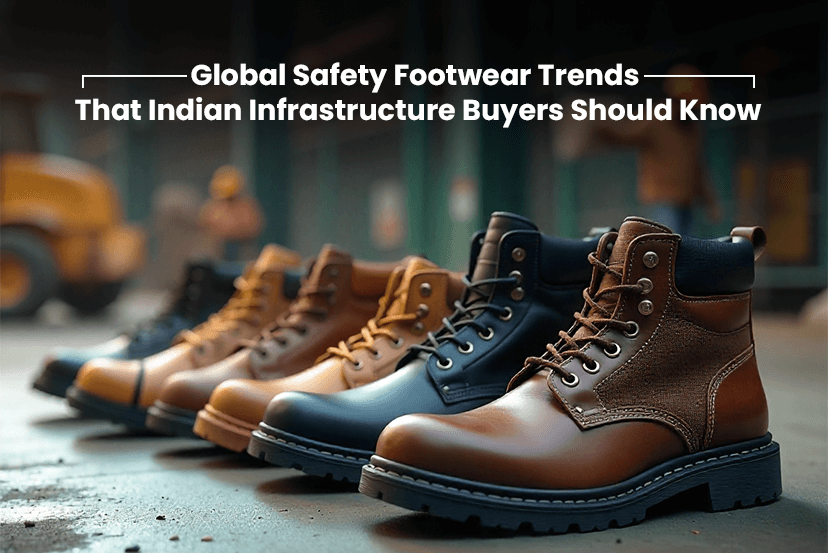
As infrastructure projects in India scale rapidly, from highways to smart cities, logistics hubs, data centers, and industrial corridors, the demand for world-class safety footwear is rising. Indian buyers are no longer looking for basic protective shoes; they are aligning with global safety standards, advanced materials, and emerging ergonomic features that minimize risk and enhance worker productivity.
Global Footwear Safety Trends You Must Look For
Here are the leading global trends shaping the future of industrial safety footwear and what Indian infrastructure buyers should pay attention to before making their next procurement decision.
1. Shift Toward Lightweight and High-Comfort Safety Footwear
Globally, industrial footwear is moving away from heavy, bulky shoes toward lightweight yet equally protective designs. This trend is being driven by:
- Advanced composite toe caps replacing steel
- EVA and PU midsoles that improve cushioning
- Engineered knit uppers for breathability
- Ergonomic designs that mimic athletic shoes
For Indian infrastructure sites where workers stand or walk for long hours, these comfort-focused designs improve compliance and reduce fatigue-related accidents.
2. Rise of Composite Toe Technology
Composite toe caps are becoming the global standard due to their combination of strength and comfort. They offer:
- High impact resistance
- Lower weight
- No conductivity, ideal for electrical or thermal environments
- Compliance with international protection norms
For sectors like metro rail construction, power plants, and industrial EPC projects, composite toe footwear is now preferred over conventional steel toe options.
3. Anti-Slip and Multi-Surface Outsoles Are Becoming Mandatory
With increasingly complex project sites, wet surfaces, loose gravel, steel platforms, and sloped ramps, global manufacturers are prioritizing specialized outsole technologies, such as:
- Deep, multi-directional tread patterns
- Heat-resistant and abrasion-resistant rubber compounds
- Anti-slip materials designed for oil, water, and chemical exposure
These features directly reduce slip-and-fall incidents, one of the most common causes of workplace injuries. For Indian buyers, anti-slip footwear is quickly moving from optional to essential.
4. Advanced Electrical and ESD Protection
As infrastructure integrates more electrical systems, data centers, EV charging stations, industrial automation, and transmission infrastructure, safety footwear is now expected to meet Electrical Hazard (EH) or Electrostatic Discharge (ESD) standards.
Global trends show:
- Shoes designed to prevent electric shock during accidental contact
- Footwear that dissipates static charge to protect sensitive equipment
- Materials engineered for high dielectric strength
Indian industrial clusters increasingly adopting automation and electrical systems will benefit from this protective upgrade.
5. Material Innovation: From Leather to Engineered Synthetics
While leather remains popular, the global shift is toward engineered synthetic materials that provide superior protection and flexibility:
- Water-resistant microfibers
- Abrasion-resistant synthetic leather
- Breathable knitted uppers
- Recyclable or eco-friendly compounds
These materials are lighter, quicker to dry, and more durable in extreme conditions, especially beneficial for humid, dusty, or chemical-prone Indian worksites.
6. Thermal and Heat-Resistant Footwear Gains Popularity
Projects involving welding, forging, metal fabrication, foundries, heavy engineering, and road construction now require footwear that withstands:
- High heat exposure
- Sparks and metal splatter
- Hot surfaces
Globally, heat-resistant soles and fire-retardant uppers are becoming standard for heavy industry, and Indian infrastructure procurement is quickly aligning with these requirements.
7. Increasing Adoption of Sustainable and Eco-Friendly Safety Footwear
Environmental compliance is now a key global driver. Safety footwear manufacturers are responding with:
- Recycled uppers and insoles
- Water-based adhesives
- Long-life soles designed to reduce landfill waste
- Energy-efficient production processes
Indian companies bidding for international projects or seeking ESG alignment can benefit from adopting sustainable PPE.
8. Compliance with Global Standards: The New Benchmark
International standards are influencing procurement decisions worldwide, and Indian infrastructure buyers are increasingly adopting them to improve quality and reduce workplace risks. The most influential standards include:
- ISO safety footwear classifications for impact, compression, and resistance
- EN ISO 20345 standards from Europe
- ASTM standards from the US
- Specialty certifications for heat, chemicals, electricity, and puncture resistance
Aligning with global standards ensures product reliability, better worker protection, and easier audit compliance for multinational contracts.
9. Smart Footwear and Digital Monitoring: The Next Wave
Early-stage innovations also include:
- Pressure-sensitive smart insoles
- RFID-enabled footwear for workforce tracking
- Embedded sensors that monitor posture or fatigue
While still emerging, these technologies are expected to shape the future of industrial safety in high-value infrastructure projects.
What This Means for Indian Infrastructure Buyers
As project timelines shorten and worker safety becomes a central performance metric, buyers must select footwear that aligns with:
- Advanced global safety expectations
- High comfort, long-wear performance
- Hazard-specific protection
- Certified quality assurance
- Material durability for extreme Indian conditions
Incorporating global trends into procurement strategy ultimately leads to fewer injuries, higher worker morale, and improved productivity.
Conclusion
Global safety footwear trends are shaping a new era of industrial protection, one driven by comfort, innovation, compliance, and sustainability. However, if you are looking for top-quality safety shoes, then Moglix is the right platform to procure them in bulk. For Indian infrastructure buyers, staying aligned with these trends ensures that every worker on-site is equipped with footwear that not only meets today’s safety requirements but is also ready for tomorrow’s challenges.


 Back
Back