
Saumya Khare, Director of Human Capital on Career At Moglix

Saumya Khare, Director of Human Capital on Career At Moglix
Saumya Khare, Director- Human Capital, Moglix Business discusses the career at Moglix. She elaborates on the tips that one can use while preparing to join Moglix and what the hiring process is.
Along with this, Saumya also shares her insights on the job market in e-commerce sector and how things are keeping up with the ongoing crises. She emphasizes on certain trends coming up in the new normal and what is that organizations demand.
Read MoreMoglix Expands Its Supply Chain Operations in Goa and Assam

Moglix Expands Its Supply Chain Operations in Goa and Assam
Moglix expands its supply chain operations to Goa & Assam in order to further strengthen its mission of creating digital-enabled supply chains. Moglix is now present across 35 locations PAN India, forever changing the face of manufacturing, offering digitally enabled supply chain solutions for indirect procurement to its customers in the enterprise and SME segments.
Moglix has been keeping the B2B supply chain up and running for its customers in the manufacturing sector as the economy looks to regain lost momentum ahead of the festive season of Diwali.
Read More4 Essential Packaging Supply Chain Solutions for Manufacturers Ahead of Diwali in 2020
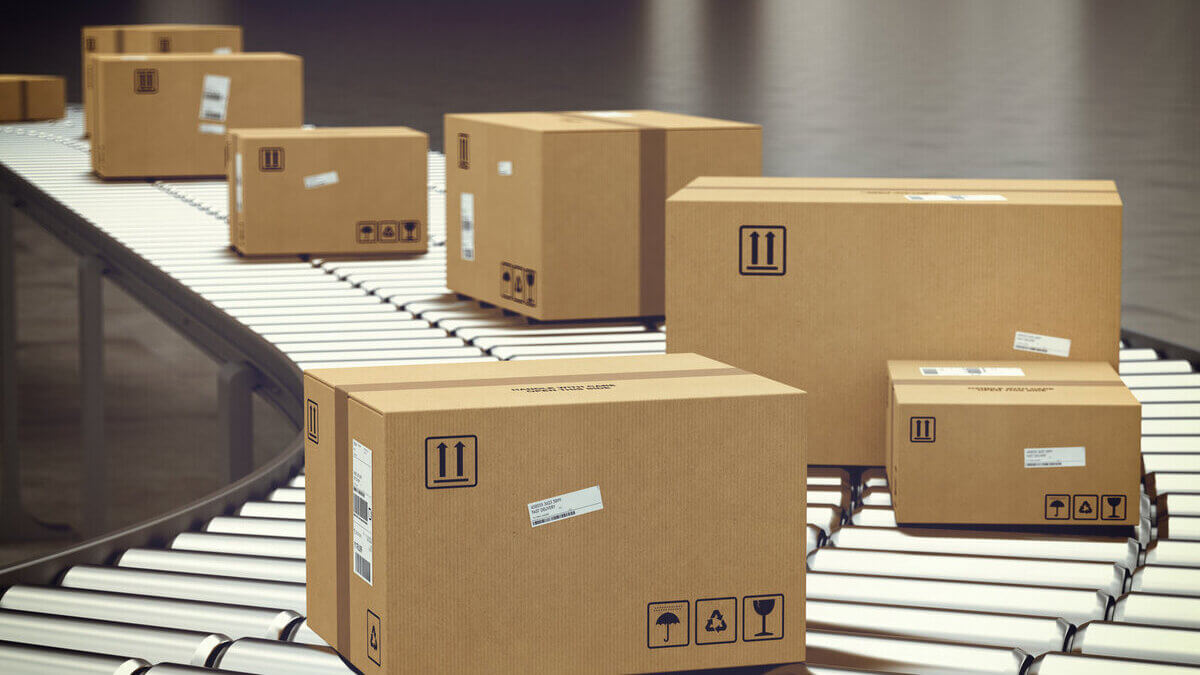
4 Essential Packaging Supply Chain Solutions for Manufacturers Ahead of Diwali in 2020
Exactly how robust are your packaging supply chain solutions? If you are a manufacturer, you understand that Diwali 2020 is going to put your packaging supply chain solutions to the ultimate test.
On the one hand, health and supply chain risks due to the COVID19 pandemic loom large. Sourcing the right packaging SKUs, optimising quality and cost, warehousing, and reducing last-mile friction are four major challenges this year. On the other hand, Diwali 2020 is the beginning of yet another busy festive season in India.
You and your team of supply chain managers need to map the pain points and make contingency plans. You also need to optimize your packaging supply chain management systems and be prepared to create great customer experiences. Here, we share a compact list of four essential packaging supply chain solutions that will help you prepare. Let’s explore.
Challenge 1: Sourcing the Right Packaging SKUs
Share the types of packaging solutions that you require with your packaging suppliers. Communicate your custom packaging solution specifications and ask for relevant samples and new product development capabilities.
Share the details of your brand persona and an outline of who your customers are. What are your unique supply chain challenges? Does your packaging resonate with your brand’s value proposition?
If you operate at the point of origin of the supply chain, prioritize the primary packaging SKUs that will contain the contents of your product. If you are a distributor, you need to focus on secondary packaging. If you have a country-wide distribution network, map the last-mile challenges and ask for relevant tertiary packaging solutions.
Pro-Tip: Look for an integrated packaging supply chain solutions provider that has a large network of local packaging suppliers across the country. Yoru supply chain managers will get a single point-of-contact and can get turnkey packaging solutions on-demand. Further, you will save big on procurement costs and supplier collaboration efforts.
Challenge 2: Quality and Cost Optimization
Create a list of quality specifications for your packaging SKUs. Map the overall order size and procurement costs. Share your packaging quality and cost requirements with your supplier. Furthermore, seek new ideas to save costs on your packaging from your suppliers.
While optimizing costs, also look at how your total packaging costs impact the unit economics and pricing of your products. Explore ergonomic packaging designs and products that allow you to accommodate more volumes per packaging unit.
Furthermore, give due consideration to the weight of the packaging materials and its direct bearing on the cost, insurance, and freight (CIF) of your supply chain. For instance, corrugated cardboard boxes, paper bags and paper boxes are lightweight and allow supply chain and logistics personnel to add more cargo per packaging unit. Doing so makes the shipping process more cost-effective.
If your enterprise is bound by environmental compliance regulations, ask your packaging suppliers to demonstrate their sustainable packaging offerings along with the corresponding impact on the carbon footprint.
Pro-Tip: Conduct a packaging audit at your plant locations periodically. A packaging audit entails a thorough diagnosis of your packaging supply chain and spend-analysis. You can derive intuitive insights from your data analytics to optimise the quality, costs, and risks in your packaging supply chain. A packaging audit is especially recommended to maintain smooth business continuity throughout the year and peak load seasons like Diwali.
Challenge 3: Warehousing and Inventory Stock-Out
The shortage of warehousing space and inventory stock-out are two pertinent challenges during the festive season. Map your warehouse capacity in advance and ask your supply chain managers to share data on the packaging consumption rates during the peak season. Engage with your packaging suppliers. Seek the details of the expected time of arrival (ETA), lead time and order processing time that they need to deliver any unplanned packaging orders in the face of an inventory stock-out.
Furthermore, opt for local sourcing options this year to steer clear of the risks of supply chain disruptions. Prioritize the location of your packaging solutions suppliers and their access to multimodal transport. Search for a packaging vendor with integrated logistics and supply chain management capabilities across India.
Pro-Tip: Choose an integrated supply chain solutions provider as your packaging partner with a large network of logistics partners and warehouses. If you are a multi-plant manufacturer opt for a captive supplier. A captive supplier is one that will hold your packaging inventories on their account books at your site location. Partnering with a captive supplier will ensure you JIT delivery of all types of packaging units at your site on demand.
Challenge 4: Last-Mile Friction
While last-mile delivery has always been a challenge in the B2B supply chain, this year’s COVID19 pandemic only compounds its magnitude. With social distancing norms in place and customers demanding access to products from the comfort of their homes, you need to reimagine the last-mile of your supply chain journey.
This is especially true for consumer goods, pharmaceuticals, e-commerce, food & beverages, and chemicals because of the limitations of shelf-life and expiration date. Gaining visibility into the last-mile journey is the key to ensuring that your products reach customers fresh, compact, and safe. Opt for cost-effective and smart packaging solutions like RFID tagging. Use digital packaging systems to ramp up your tertiary packaging, track the movement of your products, and reimagine the customer experience.
Pro-Tip: Leverage smart packaging technology to zero down the gaps with your customers. You can map end-user trends, consumption patterns, and purchase volumes. You can also adopt reusable and recyclable packaging by integrating technology with your packaging.
For instance, you can insert a sensor in standard wooden packaging boxes and track their reverse logistics, recycling, and reuse. Doing so, you can reduce both your carbon footprint and packaging costs.
Prepare for the New Normal and New Possibilities in Packaging Supply Chain This Diwali
This year’s Diwali will be different from yesteryears. Prepare your supply chain for the new normal. Ramp up your packaging supply chain in advance and be open to new possibilities during the festive and holiday seasons. Browse Moglix Packaging Solutions and connect with our experts to learn more.
Startup Of The Year Award 2020

Startup Of The Year Award 2020
We are humbled and delighted to be honored with the Startup of the Year Award at the 22nd Inflection Manufacturing Supply Chain Innovation Web Conference and Awards 2020, co-organized by Alden Global and NASSCOM.
While accepting the award on behalf of team Moglix, Rahul Garg, CEO & Founder, said, “We are working to bring the B2C experience in ecommerce back to the manufacturing sector and we are delighted to continue to work with more than 500+ large organizations in this digitization drive.”
Read MoreMoglix Founder Shares Insights with CNBC TV-18 on B2B Portals During Festive Demand
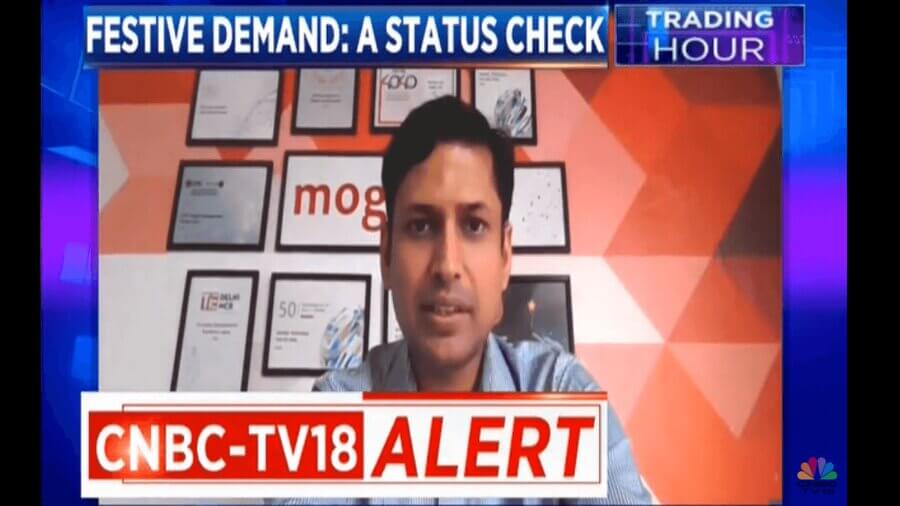
Moglix Founder Shares Insights with CNBC TV-18 on B2B Portals During Festive Demand
Moglix Founder shares his insights with CNBC TV-18 on B2B portals during festive demand. He speaks of the new consumer trends and business trends observed during the ongoing crises, and how these trends will shape the future solutions in the supply chains and procurement processes.
Rahul also highlights how more and more enterprises are now looking at tech solutions for their way of doing business, he says that biggest shift being noted is the agility in coming online from offline, showcasing the increasing demand for tech in business.
Read MoreAdd to cart: Digital Procurement for B2B is the New Normal

Add to cart: Digital Procurement for B2B is the New Normal
Digital procurement for B2B is on the cusp of a significant transformation. Supply chain disruptions through the pandemic are causing CPOs to look at B2B procurement in a new light. While the KRAs of quality, cost, and delivery continue to be relevant, there is an increasing demand for spend analysis, transparency, data, supplier reliability, and risk management. In the near future enterprises will get a more personalized customer experience similar to what individuals get from B2C e-commerce.
What is Digital Procurement for B2B?
Digital procurement for B2B migrates enterprises from ad-hoc and offline buying to a digitized source-to-pay platform. It replicates the customer experience of a B2C e-commerce marketplace.
Like a B2C e-commerce marketplace, a B2B online marketplace offers a catalog of line items spread across product categories. Users can browse through the catalog to compare suppliers, brands, and products. They can compare costs, volume discounts, expected time of arrival (ETA), and inventory availability to place orders.
However, B2B e-commerce offers several advantages, and therefore enterprises have been drawn to it for a long time now.
Reasons for Adopting Digital Procurement Before the Pandemic
The following reasons had been driving enterprises’ adoption of digital procurement before the pandemic:
- Faster Delivery: Agility is a significant challenge in enterprise procurement. B2B online marketplaces offer quicker and cheaper delivery than their offline counterparts and are an enabler of value.
- Cost Control and Compliance: Cost efficiency is a critical KPI for procurement teams. B2B e-commerce platforms enable inter-supplier comparisons and thus augment ease of spending control and compliance.
- Scale: In manufacturing, order sizes surpass the scope of a piece-meal approach and is critical to procurement officers. B2B marketplaces can fulfill large scale industrial purchase orders.
- Quality: The quality of industrial supplies determines the quality of industrial output. B2B marketplaces deploy internal quality control procedures that foster trust creation for enterprises.
Reasons for Upswing in Digital Procurement Through the Pandemic
While online shopping benefits in the B2B segment were visible long back, the pandemic has fastened the move towards digital procurement.
- Risk Management: Supply chain disruptions have been a significant challenge for enterprises. B2B marketplaces have responded with better data analytics, cloud computing, and the internet of things capabilities to augment supplier visibility.
- Reliability: B2B marketplaces with diverse and inclusive supplier ecosystems are less prone to supply chain disruptions than their offline counterparts.
- Safety: The pandemic has pushed the need for ensuring people’s health and safety. The online workflow supports collaboration across the supply chain and is safer than offline models of procurement.
Integrated Solutions: B2B procurement platforms allow enterprises to track, control, negotiate with suppliers, and report from a single platform. It will enable industrial buyers to get a B2C-like customer experience.
How Will Digital Procurement Make Life Easier for CPOs in the Future?
B2B marketplaces have seen a large scale adoption for some time now. Before the pandemic, the procurement officer’s responsibilities were those of negotiation and compliance. Beyond the pandemic, these responsibilities are likely to give way to supplier relationship building and risk management.
B2B procurement automation will soon upgrade to include artificial intelligence and machine learning capabilities. This will lead to a more personalized customer experience, share product recommendations, and set reminders to prevent inventory stock-out situations.
Podcast: Moglix Founder on growth, future plans, and more
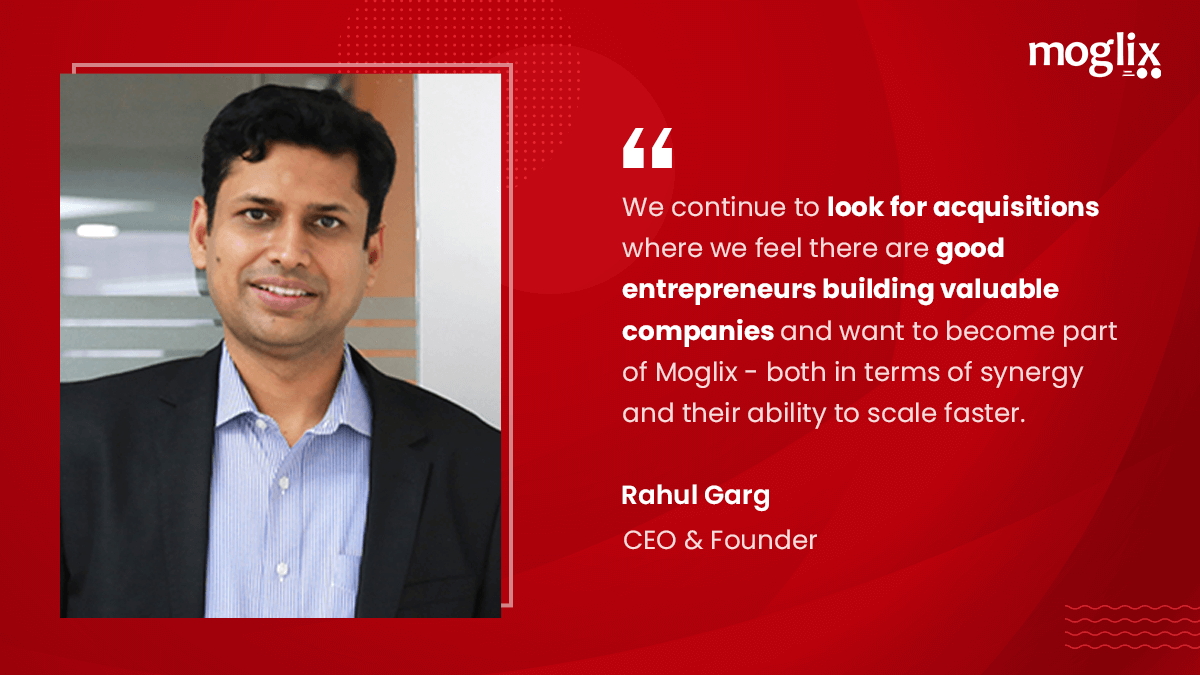
Podcast: Moglix Founder on growth, future plans, and more
Moglix CEO & Founder, Rahul Garg, interacts with VC Circle on the company’s future plans. He said that Moglix is well-capitalized and planning for another equity fundraise before floating an initial public offering.
‘We continue to look for acquisitions where we feel there are good entrepreneurs building valuable companies and want to become part of Moglix – both in terms of synergy and their ability to scale faster.’
The company is also moving towards profitability. Rahul says that Moglix’s business never fell much below pre-pandemic levels. It has added a new packaging vertical and strengthened its core business. In the last three months, Moglix’s business has been above pre-crisis levels.
Read MoreVendor Consolidation Vs. Diversification: What is the Best Supply Chain Strategy?

Vendor Consolidation Vs. Diversification: What is the Best Supply Chain Strategy?
The pandemic brings the focus back on the classic debate: vendor consolidation or vendor diversification? Which of the two is the right supply chain management strategy. If your sourcing managers are searching for an answer to the question, we have got you covered. The truth is that your supply chain’s digital readiness can make all the difference to the answer.
What is Vendor Consolidation and What are its Benefits?
Vendor consolidation is a strategy to rightsize the existing supplier base and make it more cost-efficient, quality-centric, and stable. A vendor consolidation strategy will require you to map the value and category of procurement against each supplier and procure more industrial supplies from a chosen few suppliers. You can now reduce the number of vendors and reap the following benefits:
- Reduced Purchase Costs: When you purchase higher volumes of industrial supplies from handpicked suppliers, you will have higher bargaining power and ask for discounted prices. You can also explore the option of annual rate contracts to seek effective insulation against price increases.
- Reduced Process Costs: Once you reduce the number of suppliers, you will reduce the number of purchase orders and invoices. You will reduce the turnaround time for placing orders by integrating more line items in each order. You will reduce your process costs.
- Reduced Mismatches in Supplies: One of the hurdles of a large supplier base is many supplier codes, material codes, and supplier catalogs. Vendor consolidation allows your sourcing managers to work with fewer supplier codes, material codes, and catalogs. You will reduce the scope of mismatches between items that you order and those that you receive.
- Improved Supplier Relationships: When you increase your purchase orders’ value, suppliers will undoubtedly accord greater attention to your requirements. You can look forward to stable and reliable supplier relationships over the long term.
What is Vendor Diversification and What are its Benefits?
A vendor diversification strategy will require you to spread out your supplier base and work with many suppliers. Following are the benefits of vendor diversification:
- Opens Multiple Channels of Sourcing: Vendor diversification opens up multiple sourcing channels for your enterprise. It spreads out the procurement risks across a large number of suppliers and reduces your dependence on each supplier.
- Promotes Innovation and New Product Development: Vendor diversification augments innovation and new product development. You can engage with multiple suppliers, browse through their offerings, and select the one that fulfills your requirements.
- Promotes Competition among Suppliers: One of the benefits of diversifying your vendor base is that you have greater flexibility to choose your suppliers for each purchase order. It allows you to create an environment for competitive bidding and opt for the lowest price to get a competitive advantage.
What is the Best Supply Chain Strategy?
The best strategy depends on product category, procurement processes, and technology maturity. In the long run, for large and growing businesses, vendor consolidation provides the scale with reduced costs. The pandemic experience has shown that effective supply chain risk management calls for visibility into procurement.
Digital procurement solutions allow you to leverage analytics, map supplier performance, and make purchasing decisions. You can lean on an integrated platform with an inclusive supplier ecosystem and a single catalog managed by a single point of contact. This way, you can consolidate your supplier base, re-engineer your procurement process, and de-risk your supply chain.
Embracing Self-Care During the Pandemic

Embracing Self-Care During the Pandemic
If you’ve developed productive and healthy habits during the lockdown, you might not be prepared to go back to exactly how things were before. Piyush Malviya, Senior Director – International Ops at Moglix, shares how 2020 has served as a great enabler of self-improvement, health, and wellness.
During this pandemic, Piyush saw a new and improved version of himself. The 21-day challenge that he took up, transformed his life, giving him a crystal vision of organizational tasks. And now, it has become a habit to eat clean, workout, and live an enriched life.
Read MoreThe Emergence of Contactless Customer Journey in the New Normal

The Emergence of Contactless Customer Journey in the New Normal
Jigyasa Kishore, Senior Director- Technology & Pallavi Chelluri, Director, Enterprise Marketing at Moglix Business discuss their experience with the emergence of contactless customer journey in the post-pandemic world.
As customer journey becomes contactless, transitioning from online from offline, brands are focusing on understanding the deep motivations of customers and creating experiences which fulfil the customer’s seen and unseen desires.
The pandemic has only accelerated changes in customer expectations and behaviors which were a long time coming. It is up to the brands to understand the impact of the pandemic on their customers and develop a digital first experience which provides safety, social interaction, and delight.
Read More


 Back
Back