
What Is Silicone Glue: Types, Uses, Features, And Specifications
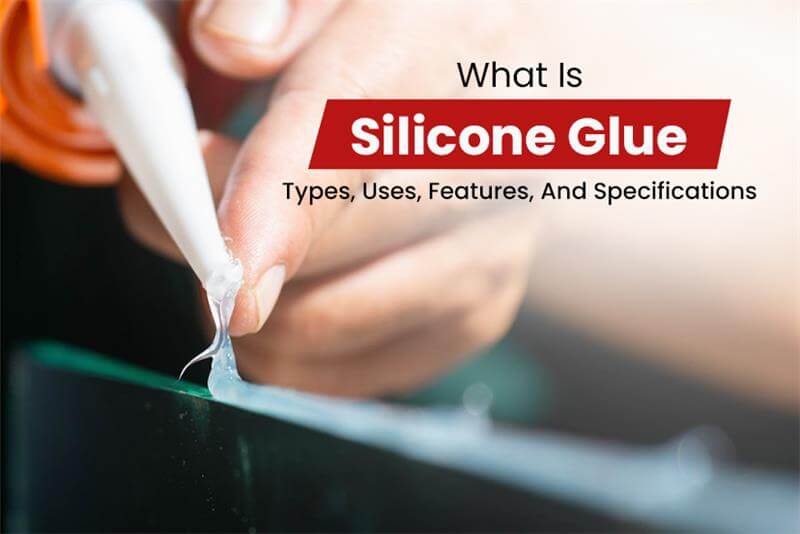
Silicone glue is a highly versatile adhesive and sealant used for bonding, sealing, insulating, and protecting different surfaces. It is known for its strong flexibility, water resistance, heat resistance, and long-lasting performance, making it suitable for both household and industrial applications. Whether you need to fix glass, seal bathroom joints, bond metal, or repair electronic parts, silicone glue offers a durable and reliable solution. The requirement for silicone adhesives for large to medium enterprises or businesses is increasing day-by-day. Therefore, if you are looking to buy Silicone glue in bulk, then Business Moglix is the one-stop destination to procure it at the most effective prices.
In this blog, let us understand what silicone glue is, its types, uses, features, and specifications in a simple and practical way.
What Is Silicone Glue?
Silicone glue is an adhesive made from silicone polymers, which remain flexible even after curing. Unlike many regular adhesives that become hard and brittle, silicone glue forms a rubber-like bond that can handle movement, vibration, moisture, and temperature changes. This is why it is commonly used in construction, electrical work, automotive repair, home improvement, and industrial maintenance.
It is often available in tube, cartridge, or squeeze bottle form and can be used for bonding materials like glass, ceramic, plastic, metal, rubber, wood, and tiles. Some products are designed mainly for sealing, while others provide stronger adhesive properties for bonding.
How Does Silicone Sealant Work?
Silicone glue works by creating a chemical bond and a flexible seal between two surfaces. After application, it starts curing when exposed to air or moisture, depending on the product type. Once cured, it forms a durable, waterproof, and temperature-resistant layer that holds surfaces together while preventing leakage or air gaps.
This makes silicone glue useful not only for sticking materials together but also for filling cracks, sealing edges, and protecting joints from dust, water, and chemicals.
What Are The Different Types of Silicone Glue?
There are different types of silicone glue available based on their curing method, application, and performance.
1. Acetoxy Silicone Glue
This type releases a vinegar-like smell while curing and is commonly used for glass, tiles, ceramics, and non-porous surfaces. It offers fast curing and strong sealing performance.
Best for:
- Bathroom fittings
- Glass bonding
- Kitchen sealing
- Window joints
2. Neutral Cure Silicone Glue
Neutral cure silicone glue does not release strong acidic fumes and is safer for metal, wood, plastic, and electronic surfaces. It is often preferred where corrosion resistance is important.
Best for:
- Metal frames
- Electrical components
- PVC and plastic bonding
- Industrial sealing
3. High-Temperature Silicone Glue
This type is specially made to withstand very high temperatures and is used in automotive, machinery, and industrial maintenance applications.
Best for:
- Engine parts
- Gaskets
- Exhaust systems
- Industrial heating units
4. Food-Grade Silicone Glue
Food-grade silicone glue is designed for applications where safe and non-toxic sealing is needed around food-related equipment.
Best for:
- Kitchen appliances
- Water dispensers
- Food processing units
5. Electronic Grade Silicone Glue
This silicone adhesive is used in electrical and electronic applications because it provides insulation, vibration resistance, and moisture protection.
Best for:
- Circuit boards
- LED lights
- Electrical wiring
- Small appliances
6. Construction Silicone Glue
This type is widely used in construction and interior work for bonding and sealing structural and decorative materials.
Best for:
- Doors and windows
- Tiles and sanitary fittings
- Aluminum sections
- Glass partitions
Check out the Common Uses of Silicone Glue
Silicone glue is widely used across homes, workshops, factories, and construction sites. Its flexibility and durability make it one of the most practical adhesives available.
1. Glass Bonding
Silicone glue is commonly used to bond glass panels, mirrors, aquariums, and window edges because it provides a clean and waterproof seal.
2. Bathroom and Kitchen Sealing
It is ideal for sealing wash basins, sinks, bathtubs, tiles, and countertops to prevent water leakage and fungal growth.
3. Electrical and Electronics
Silicone glue protects sensitive components from moisture, dust, vibration, and minor heat, making it useful in wiring and device assembly.
4. Automotive Repairs
In vehicles, silicone glue is used for gaskets, weather stripping, headlamp sealing, and engine-related repairs.
5. Home Repairs
It is often used for fixing broken ceramic items, loose fittings, plastic parts, rubber seals, and decorative materials.
6. Industrial Maintenance
Factories and workshops use silicone glue for sealing machinery parts, vibration control, insulation, and protective bonding.
Key Features of Silicone Glue
Silicone glue is preferred because it combines adhesive strength with sealing performance. Here are its major features:
1. Excellent Flexibility
Even after curing, silicone glue remains flexible, which helps it absorb movement and vibration without cracking.
2. Waterproof Performance
It creates a moisture-resistant seal, making it ideal for wet areas and outdoor use.
3. Heat and Cold Resistance
Silicone glue performs well under both high and low temperatures, depending on the grade.
4. Weather Resistance
It can resist sunlight, rain, humidity, and environmental exposure better than many ordinary adhesives.
5. Chemical Resistance
Many silicone glues offer resistance to oils, cleaning chemicals, and mild industrial fluids.
6. Electrical Insulation
Some silicone adhesives also work as insulators, which is useful in electrical and electronic applications.
7. Long Service Life
Silicone glue generally lasts longer because it does not become brittle easily over time.
Important Specifications of Silicone Glue
Before buying silicone glue, it is important to understand its technical specifications. These details help you choose the right product for your application.
1. Curing Type
- Acetoxy cure
- Neutral cure
- Moisture cure
- Heat cure
Choose according to the surface material and working environment.
2. Temperature Resistance
Silicone glue may typically withstand:
- -40°C to 200°C for standard applications
- Higher for specialized high-temperature grades
This makes it suitable for indoor, outdoor, and mechanical applications.
3. Adhesion Compatibility
Check whether the product is compatible with:
- Glass
- Ceramic
- Metal
- Plastic
- Rubber
- Wood
- Tiles
Not every silicone glue is suitable for every material.
4. Tensile Strength
Tensile strength refers to how much pulling force the cured silicone can handle. Higher tensile strength is useful for stronger bonding applications.
5. Elongation / Flexibility
This indicates how much the glue can stretch before breaking. High elongation is useful for moving joints and vibration-prone areas.
6. Skin Formation Time
This is the time it takes for the surface to start drying after application. Faster skin time is useful for quick jobs.
7. Full Cure Time
Most silicone glues require 12 to 24 hours or more for complete curing, depending on thickness and humidity.
8. Color Options
Silicone glue is commonly available in:
- Transparent
- White
- Black
- Grey
This helps match the product with the surface or finishing requirement.
9. Packaging Size
Silicone glue is available in:
- Small squeeze tubes
- Standard cartridges
- Industrial bulk packs
Choose based on your usage frequency and project size.
Advantages of Silicone Glue
Silicone glue offers several practical advantages over many traditional adhesives:
- Works as both adhesives and sealant
- Suitable for indoor and outdoor use
- Performs well in wet and humid conditions
- Handles expansion and contraction
- Offers good insulation and durability
- Suitable for DIY, commercial, and industrial applications
Because of these benefits, silicone glue is widely used in maintenance, repair, installation, and assembly tasks.
Limitations of Silicone Glue
Although silicone glue is highly useful, it also has some limitations:
- It may not provide the highest structural strength compared to epoxy or PU adhesives
- Some types are not ideal for painted finishes
- Surface preparation is very important for proper bonding
- Full curing may take longer than instant adhesives
So, while silicone glue is excellent for flexibility and sealing, it should be selected carefully based on the job.
How To Choose the Right Silicone Glue?
When selecting silicone glue, keep the following points in mind:
Choose based on:
- Surface material
- Indoor or outdoor use
- Temperature exposure
- Waterproofing need
- Electrical insulation requirement
- Bonding or sealing purpose
For example:
- For bathroom sealing, choose waterproof sanitary silicone
- For metal and machinery, choose neutral or high-temp silicone
- For electronics, choose non-corrosive electronic-grade silicone
- For glass work, choose clear silicone adhesive
Using the right type ensures better performance and longer life.
Tips for Proper Application of Silicone Glue
To get the best results, follow these simple steps:
- Clean the surface properly to remove dust, oil, and moisture
- Dry the area completely before applying
- Cut the nozzle carefully for controlled flow
- Apply an even bead along the joint or bonding area
- Press the surfaces gently if bonding is required
- Allow full curing time before exposing to load or water
Proper application improves adhesion and prevents early failure.
Industries Where Silicone Glue Is Used
Silicone glue is used in many industries, such as:
- Construction and interior fitting
- Electrical and electronics
- Automotive and transport
- Home appliance manufacturing
- Furniture and decor
- Glass and aluminum fabrication
- Plumbing and sanitary installation
Its wide application range makes it one of the most essential adhesives in modern maintenance and assembly work.
Conclusion
Silicone glue is a flexible, durable, waterproof, and temperature-resistant adhesive that is used for a wide range of bonding and sealing applications. From glass and bathroom fittings to electronics and industrial machinery, it offers reliable performance where movement, moisture, or heat are involved. Understanding the types, uses, features, and specifications of silicone glue helps in choosing the right product for better safety, durability, and long-term performance. To procure silicone adhesive in bulk at wholesale prices, you can simply partner with Business Moglix.
FAQs on Silicone Glue
1. What is silicone glue used for?
Silicone glue is used for bonding, sealing, waterproofing, and insulating surfaces like glass, ceramic, plastic, metal, and rubber.
2. Is silicone glue waterproof?
Yes, most silicone glues are waterproof and ideal for bathrooms, kitchens, plumbing, and outdoor use.
3. Can silicone glue handle heat?
Yes, many silicone adhesives are heat-resistant, and special high-temperature grades are used in automotive and industrial applications.
4. How long does silicone glue take to dry?
It usually forms a skin within minutes, but full curing may take 12 to 24 hours or longer, depending on the product.
5. Is silicone glue better than normal adhesive?
Silicone glue is better for flexibility, sealing, moisture resistance, and temperature changes, but for heavy structural bonding, other adhesives may sometimes be more suitable.


 Back
Back