
Moglix CEO on building the Catalogue for India
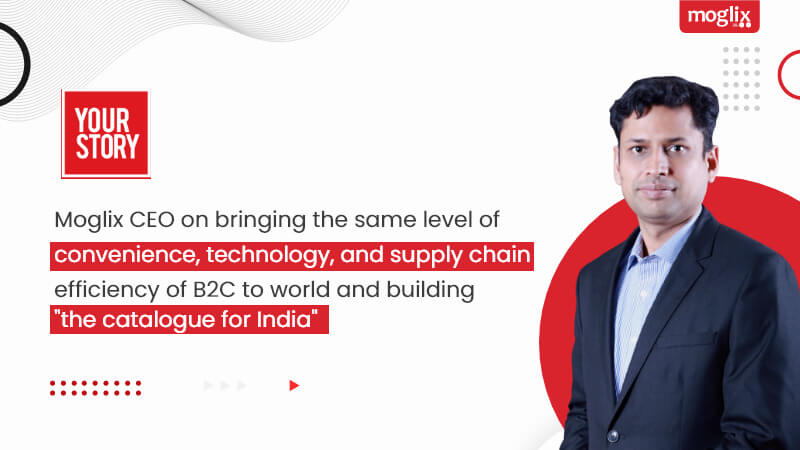
Moglix CEO on building the Catalogue for India
“India operated pretty much without catalogues pre-Moglix. I would take the liberty of saying that Moglix is the catalogue for India.”
This is a powerful statement. But in his 15 years of professional career and six years of entrepreneurial journey, Moglix Founder and CEO Rahul Garg has proved that it can be the most disruptive company in the manufacturing sector globally.
“I started with the goal to bring the same level of convenience, technology, and supply chain efficiency that we see in our consumer world to the B2B world. And that is how we will build the infrastructure and capabilities, which will be required in the next 20 to 50 years for our country to become a manufacturing infrastructure powerhouse across the world,”
says Rahul.
Rahul’s ambition is to see India become a $10 trillion economy over the next 10 years, but that would need a collective effort from the country, he says.
While Moglix is busy strategising its global expansion plans, Rahul emphasis that the dent is far smaller given the size of the sector.
Strengthening the supply chain of essential equipment and vaccines
Strengthening the supply chain of essential equipment and vaccines
After leaving a trail of death and disaster the second wave of Covid-19 is finally showing signs of abating. This is a golden opportunity for all stakeholders in India’s manufacturing supply chain to act now to delay the third wave.
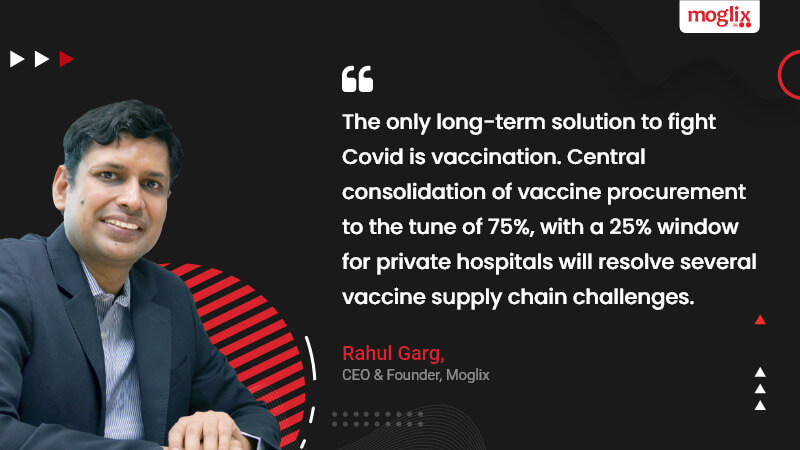
The only long-term solution to fight Covid is vaccination. Central consolidation of vaccine procurement to the tune of 75%, with a 25% window for private hospitals will resolve several vaccine supply chain challenges. As seen in the case of Operation Warp Speed in the United States, a centrally administered vaccine procurement model will alleviate the bad Nash equilibrium emanating competition among state governments to procure vaccines on their own and foster greater collaboration.
Long-Term Focus: A National Supply Chain Stress Test for Critical Resources
A national supply chain stress test for critical resources may be conducted every financial quarter.
It should consist of three layers of descending priority levels:
- To encompass items covered under the Essential Commodities Act.
- To include the raw materials required by vaccine manufacturers deployed in the COVID19 vaccine.
- To cover materials required in the infrastructure vertical.
Mukund Vasudevan joins team Moglix as SVP :Strategic Partnerships
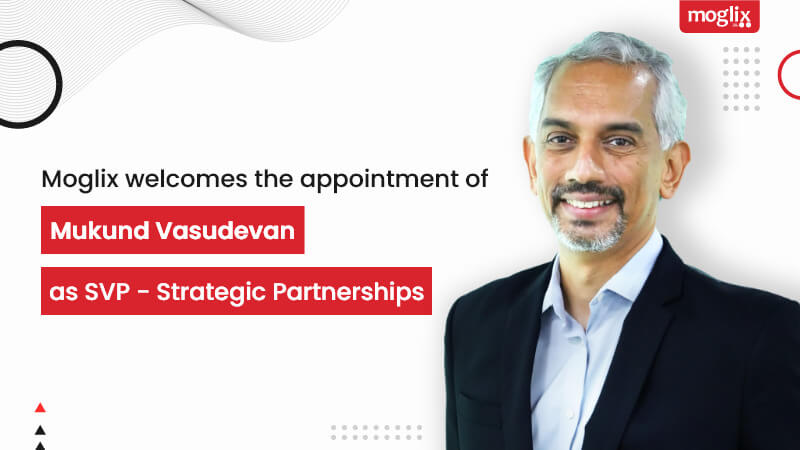
Mukund Vasudevan joins team Moglix as SVP :Strategic Partnerships
Mukund Vasudevan joins Moglix as SVP, Strategic Partnerships. He will be leading large transformation initiatives for Moglix customers and vendors globally. Vasudevan brings over 28 years of global leadership experience in the manufacturing and chemical sectors
I am passionate about manufacturing and making in India for the world. I am excited about Moglix’s vision to create the operating system of the future for the manufacturing sector. I look forward to being a part of the Moglix journey to make B2B supply chains more efficient through the use of technology,
Vasudevan said.
B2B Commerce Unicorn Moglix Acquires Vendaxo
B2B Commerce Unicorn Moglix Acquires Vendaxo
Moglix is proud and delighted to announce our recent acquisition of Vendaxo, an e-commerce platform for buying and selling used machinery. In a quest to build the operating system for the manufacturing sector, this acquisition will bring together complementary portfolios of manufacturing assets and will enable us to provide faster and scalable solutions to a larger number of customers at ease.
Vendaxo provides used machinery liquidation solutions to MSMEs and companies like Siemens, Arvind India, Marico, Raymond, and Torrent Pharma. This integration of Vendaxo in the Moglix ecosystem will prove to be a significant step in strengthening the vision of creating a sustainable and capital-efficient manufacturing ecosystem.
Enabling the Future of Oxygen Concentrator Procurement
Enabling the Future of Oxygen Concentrator Procurement
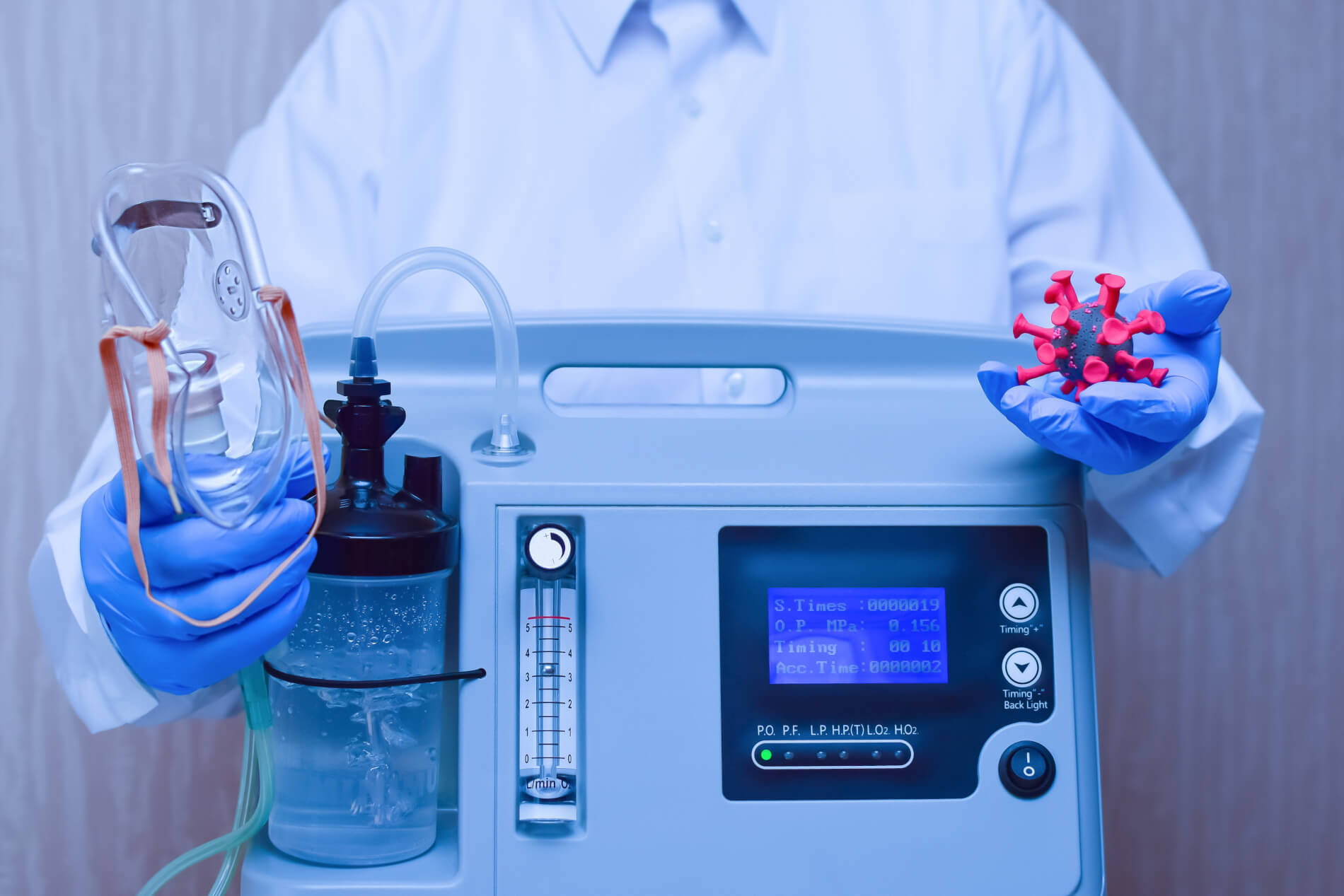
The second wave crisis of COVID-19 in India has sparked the need for oxygen concentrator procurement to meet the shortage of oxygen supply across the health continuum. The demand for concentrators has increased from 40,000 per year to 30,000–40,000 per month. If your NGO or resident’s welfare association (RWA) is looking for reliable oxygen concentrator procurement solutions, we have got you covered.
Why Should Your RWA and NGO Procure Oxygen Concentrators?
As patients battle for bed and medical oxygen supply, oxygen concentrators can play a significant role in moderate and extreme in-home/clinic treatment. Usage of these concentrators can ease the strain on hospitals while providing patients with a much-needed window to plan their medical treatment.
What Are the Benefits of an Oxygen Concentrator Bank?
An Oxygen Concentrator Bank or a streamlined oxygen refilling bank with a standardized operating procedure covering clinical guidelines will be beneficial to smoothen the collection and distribution of oxygen concentrators. It will be an efficient service that can be initiated by the local authorities to help thousands of families in distress and urgently need oxygen.
It will eventually help balance the demand and procurement ratio so that enough oxygen is available to overcome the prevailing demand of hospitals and residents. How can you create an oxygen concentrator bank for your RWA and NGO?
Here are five tips on oxygen concentrator procurement for NGOs and RWAs.
1. When to use oxygen concentrators?
Oxygen concentrators can only be used in mild cases of COVID-19 when the patient’s oxygen levels are dropping and the oxygen requirement is at a maximum of 5 liters per minute. Use an oxygen concentrator only for mild and moderate cases when oxygen saturation is >90%.
Patients with mild COVID-19-induced pneumonia with an oxygen saturation of less than 94 will benefit from extra oxygen administered by an oxygen concentrator, but only before the need for hospitalization arises.
You are not at risk of oxygen poisoning if you follow your doctor’s professional judgment in your oxygen therapy.
2. What should be the order size?
Keep 1%–2% of community strength as the number of oxygen concentrators required. The appointment of police officials and managers to coordinate with the RWAs for the smooth working of the oxygen cylinder bank should be the critical point of the SOP.
Each specified official should be responsible for a specific task to ensure the delivery of the refilled cylinder to the deserving family or candidate, getting the cylinder back when the need for refilling is over, then allocating it to the NGOs and RWAs.
3. How to ensure equitable distribution?
Local authorities should accept all types of oxygen concentrators and cylinders from residents. The refilled oxygen concentrators and cylinders should be given to respective NGOs and RWAs to further lend them for a few days as per the need.
The usage terms to borrow a concentrator for 3–7 days should be part of the SOPs. Moreover, NGOs and RWAs should receive refilled cylinders within 24 to 48 hours, which will help to deal with critical patients in a decentralized manner. The division of specific time slots to procure an oxygen cylinder, collect empty cylinders, send to refill, and allocate a filled cylinder will create an efficient distribution system. A special team can parallelly procure oxygen and collect medical documents and carefully check the prescription of the person needing it to validate the demand.
Additionally, volunteers can help organize home quarantine programs, mental health counseling services, a volunteer SOS task group, insurance coverage, and a COVID support fund for the COVID warriors and workers who keep the vital supply chain going.
4. How to ensure safety and hygiene rules?
Ask the oxygen cylinder suppliers to sanitize and hold back used oxygen concentrators 24 hours before subsequent use. Check for the flow rate capabilities of the oxygen concentrator before distribution so that high and low flow rate concentrators can be collected and distributed separately.
With the help of local government officials, senior colleagues, and administrators, create an oxygen guideline. The SOP should include a training scheme for physicians, nurses, and other oxygen users—implementing the agreed-upon hospital strategy and creating dosage and patient observation sheets to help standardize oxygen therapy.
5. How to track and trace orders and deliveries?
Ask for a dedicated resource for your community from the supplier to act as a single point of contact. Coordinating with the oxygen cylinder bank, oxygen concentrator suppliers and a collaborative effort to make different zones within the specific area for refilling the cylinders will help reach the required facility on time.
With these tips, NGOs and RWAs can make the procurement and distribution of oxygen concentrators efficient. The oxygen supply chain workers and the NGOs and RWAs looking for oxygen cylinder procurement should consider the following points:
- Check for the power consumption, warranty, size, and portability of the oxygen concentrator. The noise level should be between 40 and 58 decibels.
- Avoid being close to open flames while using an oxygen concentrator or tank. Keep a distance of at least 10 feet from open flames. Ensure that cigarettes, lamps, and gas stoves are out of reach.
- When using oxygen treatment, avoid using an electric razor; they have a knack for spitting sparks.
- When using supplemental oxygen, avoid putting on or taking off clothing that is vulnerable to static electricity.
- Since oil- and petroleum-based materials are flammable, please do not use them on the face while using oxygen.
Please contact us at info@moglixbusiness.com if your NGO or residents’ welfare association is looking for oxygen concentrator procurement solutions. We can assist you in establishing comparable group-sharing models for your local community and share our expertise and SOPs with you. Let us collaborate now to make a difference in people’s lives! Contact Us
It takes Rahul Garg’s toolkit to make an industrial goods platform a unicorn
It takes Rahul Garg’s toolkit to make an industrial goods platform a unicorn
Sensing the oncoming storm, Rahul Garg knew that India is heading towards trouble. Within a few weeks in April, Mr. Garg and his team at Moglix began working with manufacturers of oxygen concentrators in India, while also sending charter flights to China and Germany to procure the concentrators. Since then, the company has procured some 6,000 oxygen concentrators, which Moglix has been selling to corporate and industrial houses in India. They, in turn, have been giving them to their employees on a group-sharing model, based on a template developed by Garg and Moglix
“We have probably touched half a million lives through oxygen concentrators,”
Rahul says
Moglix, a company that Garg founded in 2015, is part of a consortium where 10 manufacturers have come together to ramp up oxygen concentrators to make India self-reliant in the segment.
Read More“We are working with them on both the global and domestic supply chain on raw materials,”
Rahul adds
Join our team at Moglix, India’s latest unicorn, and fastest-growing B2B marketplace
Join our team at Moglix, India’s latest unicorn, and fastest-growing B2B marketplace
Work where it matters! Join our team at Moglix, India’s largest and fastest-growing B2B marketplace, which now has joined the unicorn club. With close to 500,000+ SKUs, Moglix has a supply chain network of 16,000+ suppliers, 35+ warehouses, and logistics infrastructure, making its marketplace the largest eCommerce platform in the industrial goods category in India. If you’d like to be part of Moglix’s growth story, these job openings may be for you.
Lessons and Insights From HR Leaders During Pandemic
Lessons and Insights From HR Leaders During Pandemic
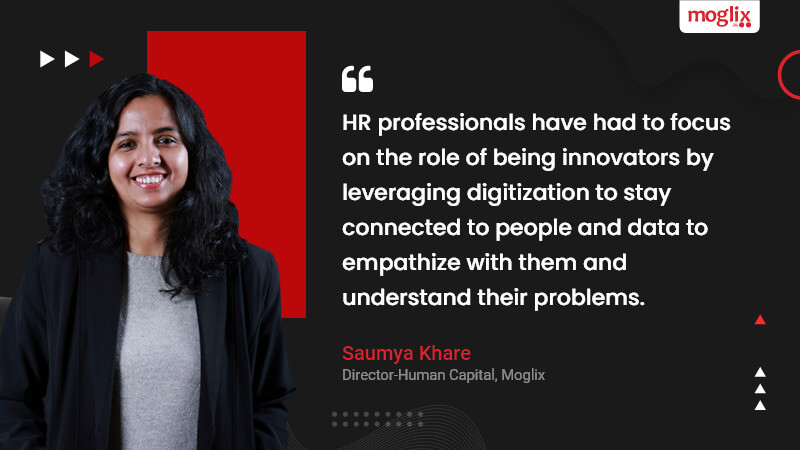
On the occasion of International Human Resources Day, Read some interesting insights from the leading HR professionals of India Inc. and the lessons learned from the last 1.5 years, since the pandemic struck.
Read MoreMoglix: How Rahul Garg built an unexpected unicorn
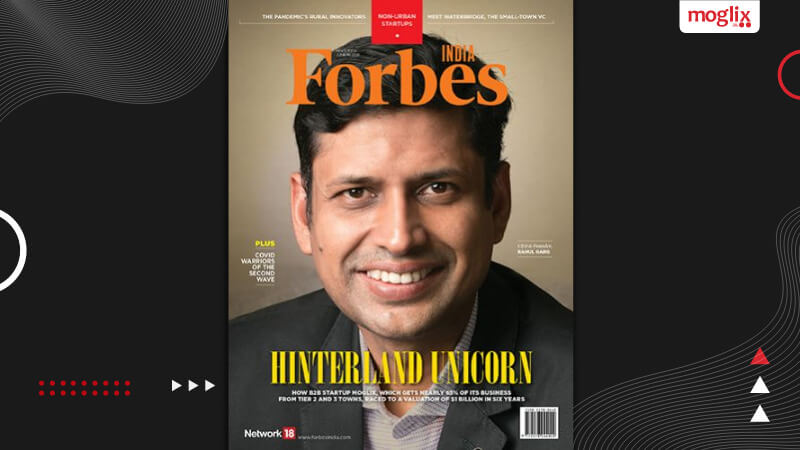
Moglix: How Rahul Garg built an unexpected unicorn
This fortnight, Forbes India has covered an inspiring story of Mr. Rahul Garg and his journey of building an unexpected unicorn. Six-year-old Moglix, which gets nearly 65 percent of its business from Tier II and III towns helps over 500,000 small & medium-sized businesses procure industrial goods.
During the first wave, Moglix did its bit to supply PPE kits and N95 masks, and in the devastating second wave, it managed to procure some 6,000 oxygen concentrators; the startup reckons it has touched half a million lives through these devices. Of course, there’s more to Moglix than Covid-19 relief, deep-dive, into the fascinating story of this B2B venture that has raised $220 million in funding so far written by Manu Balachandran, turn to page 24 of Forbes June’2021 edition.
Read MoreHow Manufacturers Can Save MRO Costs in UAE by 10%?
How Manufacturers Can Save MRO Costs in UAE by 10%?
If your enterprise is searching for solutions to save MRO costs in UAE, here is the catch. MRO costs usually account for somewhere between 5-10% of total costs and may not make up a significant chunk of the cost of goods sold (COGS). However, UAE has a highly competitive manufacturing landscape and even 1-2% of cost efficiencies can make or break your cost advantage.
To assist in a better way, we have outlined some of the steps to help manufacturers in the UAE avoid recurring expenses on MRO. If you are a manufacturer, you can take care of the following points to save MRO costs in UAE.
Manufacturers Must Minimize Return of Items
Delivering a product incurs a cost. Manufacturers price their products inclusive of that cost. However, when anything goes sideways, such as the product not being up to the quality standards as expected or has some defect, the buyer may return it. The return of items will add to the logistics expenses and impact the overall revenue.
Although the irregularities in the product may exist to some extent, manufacturers should try minimizing the double load on logistics by delivering the correct item in the first place. Here are a few points you can keep in check to reduce the rate of return:
- Quality Control Of Goods
- Correct Sizing Information
- Proper Packaging
- Timely Reviews and Feedback
- Round-the-clock Support
Take control of and implement those points to reduce the return of goods sold.
Manufacturers Should Opt for Digital Supply Chain Solutions
What humans can do, automation can do better. It holds in the case of supply chain management processes. It requires diligent work to manage the whole production line, i.e., from procurement to the final product delivery. If we focus just on the initial procurement part, there are different raw materials from various suppliers. On delving deeper, you have separate invoices for every procurement. On top of it, the communication channel is email, which requires regular follow-ups in case of any delays.
If you sum up all this, you will find it takes rigorous manual effort and consumes more time. As a result, your overall production time gets increased. However, if you enable procurement automation, you won’t have to stress repetitive tasks. Below are some notable advantages of relying on P2P automation:
- Easy-to-manage orders and supplies information
- A 50% reduction in TAT
- Easy monitoring of data
- Less hassle
Also, if multiple transactions happen at quick intervals, you can create an SOP and align your process to it. The SOP will help you scale your business. All in all, a refined approach coupled with digital supply chain solutions can create a difference in your final expenses. Thus, helping you boost your profits.
Manufacturers Must Find a Way to Deal with Ad-Hoc Procurement
As a manufacturer, you work on a contractual basis with your partners. You produce a definite amount of goods using the raw materials as decided in the contract. However, there are times when there is an unscheduled requirement of any product. Being a non-recurrent and non-strategic demand, it increases manufacturing enterprises’ expenses.
To solve this issue, manufacturers can take some steps such as:
- Enter into annual rate contracts
- Request for bulk orders
- Regulate your logistics
- Enable Procure-to-Pay solution
- Streamline processes
The main route of escape for manufacturers here is switching to annual rate contracts. In that way, they will be able to fulfill orders in a much better way. It will help them to avoid any unplanned expenses because of no ad-hoc buying.
Manufacturers Should Take Advantage of Data Analytics
The projection of demand and supplies can be difficult to gauge when you rely on static data. For example, an item you are producing may not garner similar interest in the market at a particular time due to various reasons. Since every step in the production line is interconnected, it is critical to have a correct projection right from scratch.
To do so, manufacturing enterprises can use technology and gain valuable insights into the procurement process. New-age technologies such as Artificial Intelligence (AI) and Machine Learning (ML) can help manufacturers create a mathematical model based on inputs from the data collected and facilitate better decision-making.
Some important avenues that AI and ML will open up for manufacturers are:
- Ability to look beyond the static data
- Evaluate the correct demand
- Improved risk management based on collected data
- Flexibility and transparency
P2P software solutions enhanced by AI and ML technologies can unlock opportunities that remain hidden from us. Thus, adding to the MRO costs, which you can save.
Wrapping Up
Summing up what we have learned here is that saving MRO costs for manufacturers in the UAE is a choice. With a careful, proactive approach and use of technology, you can minimize additional expenses and save up to 10% MRO costs, thus maximizing profits in the long run.


 Back
Back