
Which Is the Best Solar Glass Manufacturer in India: Types, Prices, and Bulk Procurement
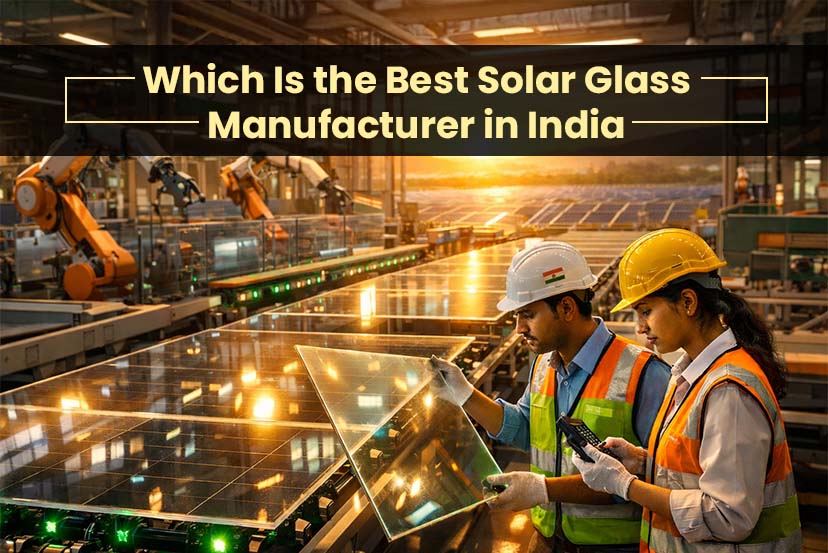
Which Is the Best Solar Glass Manufacturer in India: Types, Prices, and Bulk Procurement
India’s solar manufacturing ecosystem is growing rapidly, and solar glass has become one of the most critical components in photovoltaic module production. Whether you are a solar EPC contractor, panel assembler, project developer, or industrial buyer, choosing the right solar glass manufacturer directly impacts panel efficiency, durability, and long-term ROI. If you are looking to buy solar glass in bulk, Moglix business i sthe one stop destiniation to procure them efficiently.
In this guide, we cover the best solar glass manufacturers in India, available types of solar glass, price ranges, and how to source them efficiently for bulk procurement.
What Is Solar Glass?
Solar glass is a specially engineered ultra-clear tempered glass used in solar panels to protect photovoltaic cells while allowing maximum sunlight transmission. Unlike standard float glass, solar glass is designed for:
- High solar transmittance
- Mechanical strength
- Anti-reflective performance
- Weather and UV resistance
- Long service life in outdoor environments
It acts as the front protective layer of solar modules and is essential for panel efficiency.
Best Solar Glass Manufacturers in India
Here are some of the leading solar glass manufacturers and suppliers operating in India:
1. Vishakha Renewables
One of India’s largest dedicated solar glass manufacturers, Vishakha Renewables operates a major solar glass plant in Mundra, Gujarat, and markets ultra-clear solar glass for PV module manufacturing. The company highlights high transmission glass, BIS certifications, and multi-GW manufacturing capacity.
Best For: Large panel manufacturers and utility-scale procurement
2. Gold Plus Glass
Gold Plus is a major Indian glass manufacturer that has expanded into solar glass manufacturing, backed by significant solar-glass investment and production plans.
Best For: OEM partnerships and domestic sourcing
3. Waaree Energies (Upcoming Solar Glass Manufacturing)
Waaree has announced a major investment in solar glass manufacturing to strengthen vertical integration in India’s solar supply chain.
Best For: Future integrated procurement partnerships
4. SolarScape Enterprises LLP
Specializes in transparent and semi-transparent solar glass / BIPV glass solutions for facades, skylights, and architectural solar applications.
Best For: Architectural and BIPV projects
Types of Solar Glass Available in India
1. Ultra Clear Tempered Solar Glass
The most commonly used front glass for solar panels.
Features:
- 91%–94% solar transmittance
- High mechanical strength
- Tempered for impact resistance
2. Anti-Reflective Coated Solar Glass
Designed to reduce reflection and improve panel output.
Best For:
High-efficiency solar modules
3. Textured Solar Glass
Has patterned surface for improved light trapping.
Used In:
Specialized PV applications
4. Transparent / Semi-Transparent Solar Glass
Used in building-integrated photovoltaic (BIPV) systems.
Applications:
- Solar facades
- Skylights
- Green buildings
5. Backsheet / Rear Solar Glass (Glass-to-Glass Modules)
Used in bifacial and dual-glass modules.
Benefits:
- Better durability
- Higher moisture resistance
- Longer warranty life
Solar Glass Price in India (Tentative)
Solar glass pricing depends on thickness, coating, MOQ, and customization.
| Solar Glass Type | Approx Bulk Price Range |
| Standard Ultra Clear Solar Glass | ₹90 – ₹140 per sq. ft. |
| AR Coated Solar Glass | ₹120 – ₹180 per sq. ft. |
| BIPV / Transparent Solar Glass | ₹250 – ₹600+ per sq. ft. |
| Dual Glass Module Rear Glass | ₹100 – ₹160 per sq. ft. |
Note: Prices vary significantly based on order quantity, thickness (2mm/3.2mm), and freight.
Key Factors to Consider Before Choosing a Solar Glass Manufacturer
Manufacturing Capacity
Ensure the supplier can support your project volume and repeat orders.
Certifications
Look for:
- BIS Compliance
- IEC Standards
- TUV Certification
- NABL Testing Reports
Glass Transmission Rate
Higher transmission means better module efficiency.
Thickness & Strength
Standard options:
- 2 mm
- 3.2 mm
- 4 mm
Custom Size Availability
Important for OEM and specialized module designs.
Delivery Timelines
Check lead times, warehousing, and logistics support.
Bulk Procurement Tips for Solar Glass Buyers
Request Technical Datasheets
Verify:
- Transmission %
- Tempering quality
- Coating specs
- Load-bearing capacity
Compare Landed Cost, Not Just Unit Price
Include:
- Freight
- Breakage risk
- Taxes
- Packaging charges
Negotiate Annual Rate Contracts
For recurring demand, long-term contracts can reduce costs significantly.
Check Supplier Production Backup
Avoid single-source dependency for critical projects.
Why Indian Solar Glass Manufacturers Are Becoming Preferred
Indian solar glass manufacturing is expanding due to:
- Government pushes for solar self-reliance
- Reduced dependence on imports
- Faster delivery times
- Better pricing for domestic buyers
- PLI and Make-in-India incentives
India’s domestic solar glass capacity is increasing rapidly as manufacturers invest in integrated solar supply chains.
Final Thoughts
In conclusion, India’s solar glass manufacturing sector is evolving rapidly, offering buyers a wide range of high-quality options for solar panel production, EPC projects, and bulk industrial procurement. By understanding the different types of solar glass, comparing pricing structures, and evaluating manufacturers based on certifications, quality standards, and supply capabilities, businesses can make more informed purchasing decisions. Choosing the right solar glass supplier not only improves solar module performance and durability but also helps ensure cost efficiency and long-term project success in an increasingly competitive renewable energy market.
Frequently Asked Questions
What is the price of solar glass in India?
Bulk solar glass typically ranges from ₹90 to ₹180 per sq. ft., depending on specifications.
Which glass is used in solar panels?
Ultra-clear tempered low-iron solar glass is the industry standard.
Is solar glass different from normal glass?
Yes, solar glass has higher transparency, tempering, UV resistance, and anti-reflective properties compared to regular float glass.
Which is the Best Electronic Components Online Store in India?
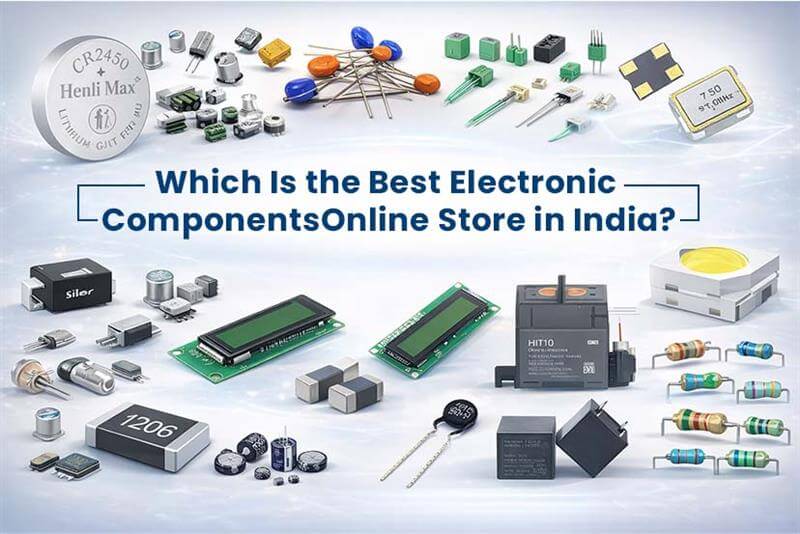
Which is the Best Electronic Components Online Store in India?
In today’s rapidly evolving industrial and electronics landscape, sourcing high-quality electronic components from a reliable supplier is critical for manufacturers, OEMs, procurement managers, engineers, and maintenance teams. From industrial automation and circuit development to product manufacturing and infrastructure projects, the demand for authentic and readily available electronic parts has grown significantly. When evaluating the best electronic components online store in India, Business Moglix emerges as one of the most trusted and comprehensive procurement platforms for businesses and industrial buyers.
Moglix has established itself as a leading B2B e-commerce marketplace in India, offering an extensive portfolio of industrial and electronic components tailored for professional and enterprise procurement. Its combination of wide product availability, trusted sourcing, enterprise procurement support, and nationwide logistics makes it a preferred platform for buyers seeking dependable electronic component procurement at scale.
Why Business Moglix Is Considered the Best Electronic Components Online Store in India
Business Moglix has been performing efficiently in fulfilling the bulk requirement of electric components servicing various industries. Several factors make us the best website to buy electronic components, which include:
1. Comprehensive Range of Electronic Components
Moglix offers a wide variety of electronic and electrical components suitable for diverse industrial and commercial applications. Buyers can access thousands of products across multiple categories from a single platform.
Product categories available include:
- Resistors and Capacitors
- Transistors and Diodes
- Integrated Circuits (ICs)
- Semiconductors
- Relays and Switches
- Sensors and Controllers
- Power Supplies
- Connectors and Terminal Blocks
- Display Modules
- Circuit Protection Devices
- Microcontrollers and Development Boards
This broad inventory makes Moglix suitable for both small procurement needs and enterprise-level sourcing.
2. Designed for Industrial and B2B Procurement
Unlike consumer-focused marketplaces or hobby electronics stores, Moglix is purpose-built for industrial and B2B procurement. It caters to the operational requirements of businesses that need streamlined sourcing, documentation, and procurement support.
Industries commonly sourcing electronic components from Moglix include:
- Manufacturing
- Automotive
- Electrical Contracting
- Renewable Energy
- Construction & Infrastructure
- Telecom
- Data Centers
- Facility Management
- Industrial Automation
- OEM & EMS Companies
Its B2B-centric approach makes it highly suitable for businesses managing recurring procurement or project-based purchasing.
3. Genuine Products from Trusted Brands
Product authenticity is one of the most important factors when buying electronic components, especially for industrial applications where component failure can result in downtime or safety risks. Moglix works with reputed manufacturers and authorized suppliers to ensure quality assurance and product reliability.
This helps businesses mitigate risks related to:
- Counterfeit electronic parts
- Substandard product performance
- Compatibility issues
- Frequent replacements
- Production delays due to faulty components
For enterprises prioritizing operational reliability, trusted sourcing is a major advantage.
4. Bulk Procurement and Enterprise Solutions
Moglix excels in handling bulk procurement requirements for medium and large enterprises. Businesses can source electronic components in large quantities while benefiting from procurement support and pricing efficiencies.
Bulk buying advantages include:
- Quantity-based discounts
- Dedicated account management
- Assistance for RFQs and quotations
- Support for repeat procurement cycles
- Vendor consolidation benefits
- Simplified procurement workflows
This makes Moglix particularly valuable for procurement departments and supply chain teams.
5. Competitive Pricing and Cost Efficiency
Cost optimization remains a top priority for procurement professionals. Moglix helps businesses reduce sourcing costs through competitive pricing structures and bulk procurement advantages.
Benefits include:
- Transparent pricing
- Bulk order discounts
- Frequent promotional offers
- Reduced sourcing overheads
- Better vendor consolidation economics
By combining multiple procurement needs on one platform, organizations can improve purchasing efficiency and reduce operational procurement costs.
6. Pan-India Delivery and Strong Supply Chain Network
Timely delivery is essential when sourcing critical electronic components for production or maintenance operations. Moglix offers nationwide delivery capabilities supported by a robust logistics and warehousing network.
Its supply chain strengths help businesses benefit from:
- Faster order fulfillment
- Delivery across metro and non-metro cities
- Better stock availability
- Reduced lead times
- Improved procurement planning
This nationwide reach makes Moglix accessible to businesses regardless of location.
7. Easy-to-Use Online Procurement Platform
Moglix’s digital procurement platform simplifies the buying experience with features designed for modern procurement teams.
Platform features include:
- Advanced product search and filtering
- Detailed technical specifications
- GST-compliant invoicing
- Multiple payment methods
- Bulk order request functionality
- Dedicated procurement assistance
- Easy reordering for repeat purchases
These features improve procurement efficiency and reduce administrative effort.
Key Benefits of Buying Electronic Components from Moglix
Choosing Moglix as your electronic component supplier offers several strategic benefits:
One-Stop Procurement Destination
Buyers can source multiple categories of industrial and electronic products from one platform, reducing vendor fragmentation.
Improved Procurement Efficiency
Digital procurement tools streamline sourcing, comparison, ordering, and documentation.
Reliable Inventory Availability
Wide catalog and stock support help minimize procurement bottlenecks.
Enterprise Procurement Support
Dedicated assistance for large orders and business accounts simplifies bulk purchasing.
Better Supply Chain Visibility
Structured procurement workflows improve planning and purchasing transparency.
Why Moglix Stands Above Other Electronic Components Stores
Many online electronics stores in India primarily focus on hobbyists, students, or small-scale buyers. While useful for niche requirements, such platforms may lack:
- Industrial-grade product depth
- Bulk procurement capabilities
- Enterprise support
- Large inventory breadth
- Nationwide logistics reliability
- GST and business procurement workflows
Moglix differentiates itself by offering a professional procurement ecosystem tailored to industrial and enterprise buyers.
Conclusion
When evaluating the best electronic components online store in India, Moglix consistently stands out as a leading platform for industrial and business procurement. Its extensive catalog, genuine products, enterprise-focused procurement support, competitive pricing, and nationwide logistics infrastructure make it a preferred choice for organizations across sectors.
Whether you are a manufacturer for sourcing components for production, an automation company procuring projects, or a maintenance team replacing critical parts, Moglix offers a scalable and dependable solution for electronic component procurement. For businesses seeking a reliable, efficient, and comprehensive electronic components supplier online, Moglix remains one of the strongest choices in India.
What Is a Micro Surfacing Paver Machine: Importance, Features, and Use Cases

What Is a Micro Surfacing Paver Machine: Importance, Features, and Use Cases
Road maintenance is one of the most important parts of infrastructure management, and a micro surfacing paver machine plays a major role in keeping roads smooth, safe, and durable. It is a specialized construction machine used for applying a thin protective layer of micro surfacing mixture on roads, highways, parking areas, and airport runways.
This process helps restore worn-out surfaces, improve skid resistance, and extend pavement life without requiring complete road reconstruction. For contractors, municipalities, and highway authorities, micro surfacing has become one of the most cost-effective and efficient road preservation methods.
What Is a Micro Surfacing Paver Machine?
A micro surfacing paver machine is a self-contained road maintenance machine designed to mix and spread a specially prepared slurry made from polymer-modified asphalt emulsion, crushed aggregate, water, mineral fillers, and additives. The machine continuously blends these materials in the right proportion and lays them evenly on the road surface through a spreader box.
Unlike traditional resurfacing methods, micro surfacing does not involve thick asphalt layers. Instead, it creates a thin, strong, and durable coating that seals minor cracks, corrects surface irregularities, and improves the overall road texture. Because of its fast-curing time and minimal traffic disruption, this machine is widely used in modern road repair and preventive maintenance projects.
Why Is a Micro Surfacing Paver Machine Important?
A micro surfacing paver machine is important because it helps maintain roads before damage becomes severe. Instead of waiting for potholes and cracks to worsen, road contractors use micro surfacing to protect pavements at an early stage. This preventive maintenance approach reduces long-term repair costs and improves road performance.
The machine is especially valuable in high-traffic areas where roads need quick rehabilitation without long closures. Since micro surfacing sets quickly, roads can often reopen to traffic within a short period. It also enhances road safety by providing a fresh, skid-resistant surface, which is essential during rainy conditions and heavy vehicle movement.
How Does a Micro Surfacing Paver Machine Work?
The working process of a micro surfacing paver machine is highly efficient and designed for continuous road treatment. The machine typically follows these steps:
1. Material Loading
The machine is loaded with aggregate, asphalt emulsion, water, filler, and additives in separate storage compartments.
2. Controlled Mixing
An onboard mixing system combines all materials in accurate proportions to create a uniform micro surfacing mixture.
3. Surface Application
The mixture is then delivered to the spreader box, which lays it evenly on the road surface.
4. Surface Leveling
The spreader box ensures the mixture is distributed smoothly and consistently, helping fill shallow ruts and surface imperfections.
5. Fast Curing
Once applied, the mixture cures quickly and becomes ready for traffic in a short time.
This automated and continuous process makes the machine ideal for large road maintenance projects requiring speed and precision.
Key Components of a Micro Surfacing Paver Machine
A micro surfacing paver machine is made up of several important components that work together to ensure smooth operation and high-quality road treatment.
Aggregate Hopper
This section stores the stone aggregates used in the surfacing mix.
Asphalt Emulsion Tank
It holds polymer-modified asphalt emulsion, which acts as the binding material.
Water Tank
Water is used to control the consistency of the mix and support proper blending.
Additive and Filler Tank
These compartments store cement or other additives that improve the setting and bonding characteristics.
Mixing Unit
The mixing chamber blends all ingredients in the correct ratio before application.
Spreader Box
This is the final application unit that spreads the micro surfacing layer evenly over the road.
Control Panel
Modern machines include a user-friendly control panel that helps operators monitor flow rate, mix consistency, and machine speed.
Top Features of a Micro Surfacing Paver Machine
A modern micro surfacing paver comes with several advanced features that make it suitable for professional road maintenance work.
1. Continuous Mixing System
The machine can continuously mix and apply the surfacing material, ensuring uninterrupted road work and better productivity.
2. Accurate Material Proportioning
It is designed to maintain the right ratio of aggregate, emulsion, water, and additives for a consistent mixture.
3. Hydraulic Controls
Hydraulic systems improve machine handling, material flow control, and spreader box adjustments.
4. Adjustable Spreader Box
The spreader box can be adjusted according to road width and surface conditions for uniform application.
5. High Production Capacity
A micro surfacing paver machine can cover long road stretches in less time, making it suitable for highways and urban roads.
6. Durable Construction
These machines are built with robust materials to withstand harsh construction environments and continuous field use.
7. Easy Operation and Maintenance
Modern machines are designed for operator convenience and easier cleaning, inspection, and servicing.
Benefits of Using a Micro Surfacing Paver Machine
There are several reasons why road contractors and infrastructure agencies prefer using a micro surfacing paver machine.
- Extends Road Life
It adds a protective layer to existing pavement, helping roads last longer.
- Reduces Road Repair Costs
Preventive maintenance is much more affordable than complete resurfacing or reconstruction.
- Improves Surface Texture
The machine helps create a smooth, uniform, and skid-resistant road finish.
- Minimizes Traffic Disruption
Since the material cures quickly, roads can reopen sooner than traditional resurfacing methods.
- Eco-Friendly Solution
Micro surfacing uses fewer raw materials compared to full road replacement, making it a more sustainable road repair method.
- Better Road Safety
It improves tire grip and reduces the chances of skidding, especially on wet roads.
Common Use Cases of a Micro Surfacing Paver Machine
A micro surfacing paver machine is used in many types of road maintenance and rehabilitation projects. Below are some of the most common applications:
1. Highway Maintenance
Highways experience continuous heavy traffic and surface wear. Micro surfacing helps restore these roads quickly and effectively.
2. Urban Roads and Streets
City roads often develop surface cracks, minor rutting, and polishing. This machine is ideal for urban road preservation.
3. Airport Runways
Airport authorities use micro surfacing to improve skid resistance and maintain pavement quality on runways and taxiways.
4. Parking Lots
Commercial and industrial parking areas can be treated with micro surfacing to improve appearance and durability.
5. Residential Roads
Housing societies and township roads can benefit from micro surfacing as a fast and economical maintenance option.
6. Industrial Premises
Factories, logistics hubs, and warehouse access roads often require durable surface treatment, making this machine highly useful.
Factors to Consider Before Buying a Micro Surfacing Paver Machine
If you are planning to invest in a micro surfacing paver machine, here are some important factors to consider:
Machine Capacity
Choose a machine based on the volume of road maintenance work you handle.
Mixing Accuracy
Consistent material proportioning is essential for high-quality surfacing results.
Build Quality
Look for a machine with strong construction and durable components.
Ease of Operation
User-friendly controls and automation features can improve job efficiency.
Service and Spare Parts
Make sure the machine has reliable after-sales support and easy spare part availability.
Fuel Efficiency
A fuel-efficient machine helps reduce operating costs over time.
Brand Reputation
Buying from a trusted manufacturer ensures better quality, performance, and long-term reliability.
Where To Rent or Hire a Micro Surfacing Paver Machine At Competitive Prices?
If you want to rent or hire a micro surfacing paver machine at competitive prices, one of the most practical options is Moglix, especially for infrastructure, road construction, and project-based equipment sourcing in India. Instead of spending time contacting multiple vendors individually, Moglix works as a B2B procurement and equipment hiring platform where businesses can raise an enquiry, compare available options, and request a quote based on project requirements.
Its infrastructure rental pages show a quote-based hiring model rather than fixed online pricing, which is useful for machines like micro surfacing pavers, where cost depends on location, rental duration, machine capacity, operator support, and project scale.
Conclusion
A micro surfacing paver machine is an essential road maintenance piece of equipment used to apply a thin, durable, and skid-resistant protective layer on worn pavements. It plays a vital role in extending road life, reducing maintenance costs, improving safety, and minimizing traffic disruption. From highways and city roads to airport runways and industrial surfaces, this machine is widely used across multiple infrastructure applications.
For contractors and road maintenance agencies, investing in a high-quality micro surfacing machine can significantly improve project efficiency and long-term pavement performance. As preventive maintenance continues to gain importance in the construction industry, micro surfacing paver machines are becoming a smart and practical solution for modern road care.
FAQs
1. What is a micro surfacing paver machine used for?
A micro surfacing paver machine is used for applying a thin protective road maintenance layer made of asphalt emulsion, aggregates, water, and additives.
2. What are the benefits of micro surfacing?
Micro surfacing improves road life, surface texture, skid resistance, and helps reduce road maintenance costs.
3. Where is a micro surfacing paver machine commonly used?
It is commonly used on highways, city roads, airport runways, parking lots, residential roads, and industrial areas.
4. How is micro surfacing different from slurry seal?
Micro surfacing uses polymer-modified emulsion, cures faster, and performs better on high-traffic roads compared to slurry seal.
5. Is micro surfacing a cost-effective road maintenance method?
Yes, it is considered one of the most economical and efficient preventive maintenance solutions for roads.
Types of Crash Barriers: Specifications, Importance, and Use Cases

Types of Crash Barriers: Specifications, Importance, and Use Cases
Crash barriers, also known as road safety barriers or guardrails, play a crucial role in preventing vehicles from veering off roads, minimizing accident severity, and protecting both drivers and pedestrians. Widely used across highways, bridges, medians, and high-risk zones, these barriers are an essential component of modern road infrastructure. Construction of businesses and industries that look to buy crash barriers in bulk can simply procure them at the Moglix online platform at the most effective prices.
What Are Crash Barriers?
Crash barriers are protective structures installed along roadsides or medians to absorb the impact of a vehicle during a collision. Their primary purpose is to redirect or stop vehicles safely, reducing the chances of fatal injuries, vehicle damage, and roadside hazards.
What are the Types of Crash Barriers?
Crash barriers are categorized based on their material, design, and application. Below are the most commonly used types:
1. Metal Beam Crash Barriers (W-Beam & Thrie-Beam)
Metal Beam crash barriers are the most widely used barriers on highways and expressways.
- Made from galvanized steel
- Available in W-beam and Thrie-beam profiles
- Mounted on steel or concrete posts
Key Benefits:
- High impact resistance
- Cost-effective
- Easy to install and maintain
Use Cases:
- National highways
- Road medians
- Curves and embankments
2. Concrete Crash Barriers
Also known as rigid barriers, these are designed for maximum strength and durability.
- Made of reinforced concrete
- Includes Jersey barriers and F-shape barriers
Key Benefits:
- Extremely durable
- Low maintenance
- Ideal for high-speed zones
Use Cases:
- Urban roads
- Toll plazas
- Dividers and flyovers
3. Wire Rope Crash Barriers (Cable Barriers)
Flexible barriers are made using high-tension steel cables.
- Installed with steel posts and multiple tensioned cables
- Absorb energy through cable tension
Key Benefits:
- Highly flexible
- Reduces impact severity
- Lower installation cost
Use Cases:
- Highways with wide medians
- Rural roads
- Accident-prone areas
4. Plastic Crash Barriers (Water-Filled Barriers)
Lightweight and portable barriers are often used for temporary traffic management.
- Made of high-density polyethylene (HDPE)
- Filled with water or sand for stability
Key Benefits:
- Easy to transport and install
- Reusable
- Highly visible
Use Cases:
- Construction zones
- Event management
- Temporary diversions
5. Hybrid Crash Barriers
A combination of metal and concrete components for enhanced performance.
- Combines flexibility and strength
- Designed for specialized environments
Key Benefits:
- Balanced energy absorption
- Improved safety performance
Use Cases:
- Bridges
- Elevated corridors
- High-risk accident zones
Understand the Specifications of Crash Barriers
Crash barriers must meet strict safety and engineering standards to ensure effectiveness. Key specifications include:
1. Material Standards
- Galvanized steel for corrosion resistance
- Reinforced concrete for durability
- UV-stabilized plastic for temporary barriers
2. Height and Dimensions
- Typically ranges between 0.7 and 1.2 meters
- Thickness and width vary by type and application
3. Impact Resistance
- Designed to withstand high-speed vehicle collisions
- Tested under standard crash conditions
4. Installation Guidelines
- Proper spacing of posts
- Anchoring systems for stability
- Alignment based on road curvature
5. Compliance Standards
- Must adhere to guidelines like IRC (Indian Roads Congress) and international safety norms
Understand the Importance of Crash Barriers
Crash barriers are critical for ensuring road safety and reducing accident severity. Their importance includes:
- Prevents Vehicles from Leaving the Road: Especially on curves, slopes, and bridges
- Reduces Fatalities: Absorbs impact and minimizes injury
- Protects Infrastructure: Shields pedestrians, buildings, and roadside assets
- Enhances Traffic Management: Guides vehicle movement and lane discipline
- Supports Smart Infrastructure: Integral to modern highway safety systems
Check out the Use Cases of Crash Barriers
Crash barriers are used across various road and infrastructure scenarios:
1. Highways and Expressways
Installed along medians and edges to prevent cross-over accidents and vehicle rollovers.
2. Bridges and Flyovers
Prevents vehicles from falling off elevated structures.
3. Urban Roads
Used as dividers and pedestrian protection systems.
4. Construction Zones
Temporary barriers ensure worker safety and traffic control.
5. Accident-Prone Areas
Installed in sharp curves, steep slopes, and high-risk zones to reduce accident severity.
Conclusion
Crash barriers are a vital safety feature in road infrastructure, designed to protect lives and minimize accident impact. With various types such as metal beams, concrete, wire rope, and plastic barriers, each serves a specific purpose based on road conditions and traffic requirements. Proper selection, installation, and adherence to safety standards ensure maximum effectiveness. Investing in high-quality crash barriers not only enhances road safety but also contributes to long-term infrastructure reliability.
Electronica 2026

Electronica 2026
Date: 8th – 10th April
Organizer: Messe Muenchen India
About the Event: Moglix participated at Electronica 2026 that was filled with filled with meaningful conversations, live product demos, and ideas in motion. Our Founder & CEO, Mr. Rahul Garg, also joined us, engaging with partners and exchanging perspectives with industry peers.
What Is Silicone Glue: Types, Uses, Features, And Specifications
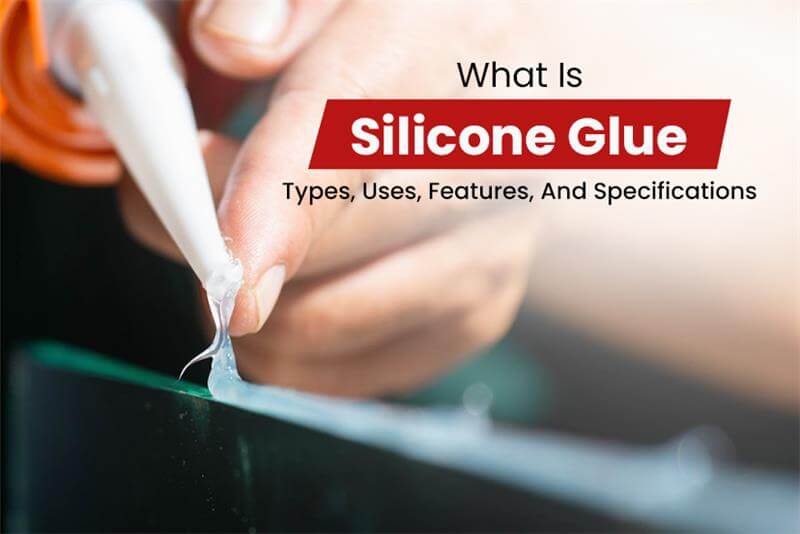
What Is Silicone Glue: Types, Uses, Features, And Specifications
Silicone glue is a highly versatile adhesive and sealant used for bonding, sealing, insulating, and protecting different surfaces. It is known for its strong flexibility, water resistance, heat resistance, and long-lasting performance, making it suitable for both household and industrial applications. Whether you need to fix glass, seal bathroom joints, bond metal, or repair electronic parts, silicone glue offers a durable and reliable solution. The requirement for silicone adhesives for large to medium enterprises or businesses is increasing day-by-day. Therefore, if you are looking to buy Silicone glue in bulk, then Business Moglix is the one-stop destination to procure it at the most effective prices.
In this blog, let us understand what silicone glue is, its types, uses, features, and specifications in a simple and practical way.
What Is Silicone Glue?
Silicone glue is an adhesive made from silicone polymers, which remain flexible even after curing. Unlike many regular adhesives that become hard and brittle, silicone glue forms a rubber-like bond that can handle movement, vibration, moisture, and temperature changes. This is why it is commonly used in construction, electrical work, automotive repair, home improvement, and industrial maintenance.
It is often available in tube, cartridge, or squeeze bottle form and can be used for bonding materials like glass, ceramic, plastic, metal, rubber, wood, and tiles. Some products are designed mainly for sealing, while others provide stronger adhesive properties for bonding.
How Does Silicone Sealant Work?
Silicone glue works by creating a chemical bond and a flexible seal between two surfaces. After application, it starts curing when exposed to air or moisture, depending on the product type. Once cured, it forms a durable, waterproof, and temperature-resistant layer that holds surfaces together while preventing leakage or air gaps.
This makes silicone glue useful not only for sticking materials together but also for filling cracks, sealing edges, and protecting joints from dust, water, and chemicals.
What Are The Different Types of Silicone Glue?
There are different types of silicone glue available based on their curing method, application, and performance.
1. Acetoxy Silicone Glue
This type releases a vinegar-like smell while curing and is commonly used for glass, tiles, ceramics, and non-porous surfaces. It offers fast curing and strong sealing performance.
Best for:
- Bathroom fittings
- Glass bonding
- Kitchen sealing
- Window joints
2. Neutral Cure Silicone Glue
Neutral cure silicone glue does not release strong acidic fumes and is safer for metal, wood, plastic, and electronic surfaces. It is often preferred where corrosion resistance is important.
Best for:
- Metal frames
- Electrical components
- PVC and plastic bonding
- Industrial sealing
3. High-Temperature Silicone Glue
This type is specially made to withstand very high temperatures and is used in automotive, machinery, and industrial maintenance applications.
Best for:
- Engine parts
- Gaskets
- Exhaust systems
- Industrial heating units
4. Food-Grade Silicone Glue
Food-grade silicone glue is designed for applications where safe and non-toxic sealing is needed around food-related equipment.
Best for:
- Kitchen appliances
- Water dispensers
- Food processing units
5. Electronic Grade Silicone Glue
This silicone adhesive is used in electrical and electronic applications because it provides insulation, vibration resistance, and moisture protection.
Best for:
- Circuit boards
- LED lights
- Electrical wiring
- Small appliances
6. Construction Silicone Glue
This type is widely used in construction and interior work for bonding and sealing structural and decorative materials.
Best for:
- Doors and windows
- Tiles and sanitary fittings
- Aluminum sections
- Glass partitions
Check out the Common Uses of Silicone Glue
Silicone glue is widely used across homes, workshops, factories, and construction sites. Its flexibility and durability make it one of the most practical adhesives available.
1. Glass Bonding
Silicone glue is commonly used to bond glass panels, mirrors, aquariums, and window edges because it provides a clean and waterproof seal.
2. Bathroom and Kitchen Sealing
It is ideal for sealing wash basins, sinks, bathtubs, tiles, and countertops to prevent water leakage and fungal growth.
3. Electrical and Electronics
Silicone glue protects sensitive components from moisture, dust, vibration, and minor heat, making it useful in wiring and device assembly.
4. Automotive Repairs
In vehicles, silicone glue is used for gaskets, weather stripping, headlamp sealing, and engine-related repairs.
5. Home Repairs
It is often used for fixing broken ceramic items, loose fittings, plastic parts, rubber seals, and decorative materials.
6. Industrial Maintenance
Factories and workshops use silicone glue for sealing machinery parts, vibration control, insulation, and protective bonding.
Key Features of Silicone Glue
Silicone glue is preferred because it combines adhesive strength with sealing performance. Here are its major features:
1. Excellent Flexibility
Even after curing, silicone glue remains flexible, which helps it absorb movement and vibration without cracking.
2. Waterproof Performance
It creates a moisture-resistant seal, making it ideal for wet areas and outdoor use.
3. Heat and Cold Resistance
Silicone glue performs well under both high and low temperatures, depending on the grade.
4. Weather Resistance
It can resist sunlight, rain, humidity, and environmental exposure better than many ordinary adhesives.
5. Chemical Resistance
Many silicone glues offer resistance to oils, cleaning chemicals, and mild industrial fluids.
6. Electrical Insulation
Some silicone adhesives also work as insulators, which is useful in electrical and electronic applications.
7. Long Service Life
Silicone glue generally lasts longer because it does not become brittle easily over time.
Important Specifications of Silicone Glue
Before buying silicone glue, it is important to understand its technical specifications. These details help you choose the right product for your application.
1. Curing Type
- Acetoxy cure
- Neutral cure
- Moisture cure
- Heat cure
Choose according to the surface material and working environment.
2. Temperature Resistance
Silicone glue may typically withstand:
- -40°C to 200°C for standard applications
- Higher for specialized high-temperature grades
This makes it suitable for indoor, outdoor, and mechanical applications.
3. Adhesion Compatibility
Check whether the product is compatible with:
- Glass
- Ceramic
- Metal
- Plastic
- Rubber
- Wood
- Tiles
Not every silicone glue is suitable for every material.
4. Tensile Strength
Tensile strength refers to how much pulling force the cured silicone can handle. Higher tensile strength is useful for stronger bonding applications.
5. Elongation / Flexibility
This indicates how much the glue can stretch before breaking. High elongation is useful for moving joints and vibration-prone areas.
6. Skin Formation Time
This is the time it takes for the surface to start drying after application. Faster skin time is useful for quick jobs.
7. Full Cure Time
Most silicone glues require 12 to 24 hours or more for complete curing, depending on thickness and humidity.
8. Color Options
Silicone glue is commonly available in:
- Transparent
- White
- Black
- Grey
This helps match the product with the surface or finishing requirement.
9. Packaging Size
Silicone glue is available in:
- Small squeeze tubes
- Standard cartridges
- Industrial bulk packs
Choose based on your usage frequency and project size.
Advantages of Silicone Glue
Silicone glue offers several practical advantages over many traditional adhesives:
- Works as both adhesives and sealant
- Suitable for indoor and outdoor use
- Performs well in wet and humid conditions
- Handles expansion and contraction
- Offers good insulation and durability
- Suitable for DIY, commercial, and industrial applications
Because of these benefits, silicone glue is widely used in maintenance, repair, installation, and assembly tasks.
Limitations of Silicone Glue
Although silicone glue is highly useful, it also has some limitations:
- It may not provide the highest structural strength compared to epoxy or PU adhesives
- Some types are not ideal for painted finishes
- Surface preparation is very important for proper bonding
- Full curing may take longer than instant adhesives
So, while silicone glue is excellent for flexibility and sealing, it should be selected carefully based on the job.
How To Choose the Right Silicone Glue?
When selecting silicone glue, keep the following points in mind:
Choose based on:
- Surface material
- Indoor or outdoor use
- Temperature exposure
- Waterproofing need
- Electrical insulation requirement
- Bonding or sealing purpose
For example:
- For bathroom sealing, choose waterproof sanitary silicone
- For metal and machinery, choose neutral or high-temp silicone
- For electronics, choose non-corrosive electronic-grade silicone
- For glass work, choose clear silicone adhesive
Using the right type ensures better performance and longer life.
Tips for Proper Application of Silicone Glue
To get the best results, follow these simple steps:
- Clean the surface properly to remove dust, oil, and moisture
- Dry the area completely before applying
- Cut the nozzle carefully for controlled flow
- Apply an even bead along the joint or bonding area
- Press the surfaces gently if bonding is required
- Allow full curing time before exposing to load or water
Proper application improves adhesion and prevents early failure.
Industries Where Silicone Glue Is Used
Silicone glue is used in many industries, such as:
- Construction and interior fitting
- Electrical and electronics
- Automotive and transport
- Home appliance manufacturing
- Furniture and decor
- Glass and aluminum fabrication
- Plumbing and sanitary installation
Its wide application range makes it one of the most essential adhesives in modern maintenance and assembly work.
Conclusion
Silicone glue is a flexible, durable, waterproof, and temperature-resistant adhesive that is used for a wide range of bonding and sealing applications. From glass and bathroom fittings to electronics and industrial machinery, it offers reliable performance where movement, moisture, or heat are involved. Understanding the types, uses, features, and specifications of silicone glue helps in choosing the right product for better safety, durability, and long-term performance. To procure silicone adhesive in bulk at wholesale prices, you can simply partner with Business Moglix.
FAQs on Silicone Glue
1. What is silicone glue used for?
Silicone glue is used for bonding, sealing, waterproofing, and insulating surfaces like glass, ceramic, plastic, metal, and rubber.
2. Is silicone glue waterproof?
Yes, most silicone glues are waterproof and ideal for bathrooms, kitchens, plumbing, and outdoor use.
3. Can silicone glue handle heat?
Yes, many silicone adhesives are heat-resistant, and special high-temperature grades are used in automotive and industrial applications.
4. How long does silicone glue take to dry?
It usually forms a skin within minutes, but full curing may take 12 to 24 hours or longer, depending on the product.
5. Is silicone glue better than normal adhesive?
Silicone glue is better for flexibility, sealing, moisture resistance, and temperature changes, but for heavy structural bonding, other adhesives may sometimes be more suitable.
What Are Biomass Pellets: Uses and Benefits Explained
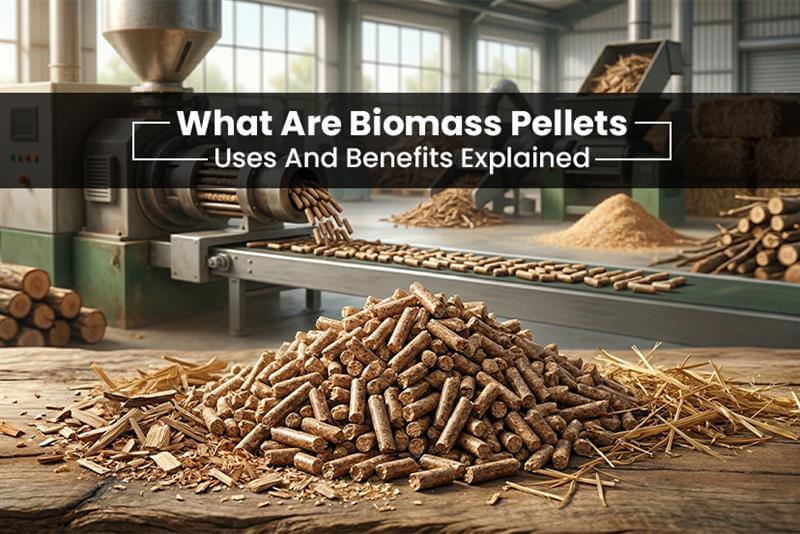
What Are Biomass Pellets: Uses and Benefits Explained
Biomass pellets are becoming one of the most practical and eco-friendly fuel options for homes, industries, and commercial heating systems. As energy costs continue to rise and sustainability becomes more important, many businesses and households are switching to biomass fuel pellets as an efficient alternative to coal, firewood, and other traditional fuels. These compact fuel sources are made from agricultural by-products or waste materials and are widely used for heating, power generation, and industrial applications.
In this article, we will explore what biomass pellets are, how they are made, their various types, uses, advantages, and the reasons behind their growing popularity in India and worldwide.
What Are Biomass Pellets?
Biomass pellets are compressed cylindrical fuel units manufactured using various agricultural waste or by-products of sawdust, wood chips, rice husk, straw, bagasse, peanut shells, Mustard stalk, Groundnut shells, and other agricultural residues. Biomass pellets are mainly used in industrial boilers, power plants, furnaces, and heating systems. They are among the most energy-efficient fuel sources and are known for their low carbon emissions, easy storage, and low mixture content. Biomass pellets are considered eco-friendly and cost-effective renewable energy solutions.
How Biomass Pellets Are Made
The manufacturing process of biomass pellets is designed to convert loose agricultural waste into dense and energy-rich fuel.
Step-by-Step Process of Biomass Pellet Production
1. Collection of Raw Material
Agricultural waste or wood waste is collected from farms, sawmills, or industrial sources.
2. Drying
The raw material is dried to reduce moisture content. This is important because lower moisture improves combustion efficiency.
3. Grinding
The dried material is crushed into fine particles for smooth pellet formation.
4. Pelletizing
The powder-like material is compressed using a biomass pellet machine or pellet mill. High pressure and heat bind the material naturally without requiring many chemical additives.
5. Cooling
Freshly made pellets are hot and soft, so they are cooled to make them hard and durable.
6. Packaging and Storage
After cooling, pellets are packed in bags or stored in bulk for transport and usage.
This process helps transform waste into a valuable energy source with better burning properties.
Common Raw Materials Used for Biomass Pellets
One of the biggest advantages of biomass pellet production is that it uses materials that are often treated as waste.
Popular Biomass Pellet Raw Materials
- Wood sawdust
- Pine wood waste
- Rice husk
- Wheat straw
- Corn cobs
- Sugarcane bagasse
- Groundnut shells
- Coconut shells
- Mustard stalk
- Bamboo dust
These raw materials are chosen based on local availability, energy value, moisture content, and ash production.
In India, agricultural residue pellets are especially popular because of the large quantity of farm waste generated every year.
What are the Types of Biomass Pellets?
Biomass pellets can be categorized based on the material used and their end application.
A. Wood Pellets
These are made from sawdust, wood chips, and wood shavings. They are commonly used for residential heating and commercial boilers.
Features:
- High calorific value
- Low ash content
- Cleaner burning
B. Agricultural Biomass Pellets
These are produced from crop residue such as rice husk, wheat straw, bagasse, and stalks.
Features:
- Cost-effective
- Easily available in farming regions
- Suitable for industrial boilers and furnaces
What are the Uses of Biomass Pellets?
Biomass pellets are highly versatile and are used across several sectors due to their efficiency and convenience.
A. Industrial Boilers
One of the most common uses of biomass pellets is in industrial boilers for generating steam and heat.
Used In:
- Textile industries
- Food processing units
- Chemical plants
- Paper mills
- Ceramic industries
Biomass pellets are often used as a replacement for coal and furnace oil.
B. Power Generation
Many thermal and captive power plants use biomass pellets for generating electricity.
Why Used:
- Renewable fuel source
- Lower carbon emissions
- Supports cleaner energy production
C. Residential Heating
In colder countries, wood biomass pellets are used in pellet stoves, central heating systems, and fireplaces.
Common Residential Uses:
- Room heating
- Water heating
- Cooking applications
D. Commercial Heating
Hotels, schools, hospitals, and commercial buildings can use pellet-based heating systems to reduce fuel expenses.
E. Cooking and Community Kitchens
In some rural and semi-urban areas, biomass pellets are used in specially designed pellet stoves for cooking.
F. Brick Kilns and Furnaces
Biomass pellets are also used in furnaces, ovens, and kilns where high heat is required.
Understand the Benefits of Biomass Pellets
There are several reasons why biomass pellets are considered smart fuel alternatives.
A. Eco-Friendly Fuel
One of the biggest benefits of biomass pellets is that they are made from renewable agricultural waste.
Environmental Advantages:
- Reduces agricultural waste burning
- Helps lower carbon footprint
- Supports waste recycling
- Produces fewer harmful emissions than coal
B. High Combustion Efficiency
Biomass pellets have lower moisture and a uniform shape, which allows them to burn efficiently and consistently.
Advantages:
- Better heat output
- Stable flame
- Reduced fuel wastage
C. Easy Storage and Handling
Unlike loose biomass such as straw or husk, pellets are compact and easy to transport.
Storage Benefits:
- Require less storage space
- Cleaner to handle
- Less dust and mess
D. Cost-Effective Fuel Option
In many industrial applications, biomass pellets offer lower operating costs compared to fossil fuels.
Cost Benefits:
- Reduced fuel bills
- Lower maintenance in some systems
- Better fuel efficiency per unit
E. Supports Renewable Energy Goals
Using biomass pellets helps industries and institutions move toward cleaner and more sustainable energy practices.
F. Consistent Quality
Since pellets are processed and standardized, they offer more predictable performance than raw biomass.
Biomass Pellets vs Traditional Fuels
To understand their practical value, it helps to compare biomass pellets with conventional fuels.
| Feature | Biomass Pellets | Coal | Firewood | Furnace Oil |
| Source | Renewable | Non-renewable | Renewable | Non-renewable |
| Moisture | Low | Moderate | High | Low |
| Emissions | Lower | High | Moderate | High |
| Handling | Easy | Moderate | Difficult | Easy |
| Storage | Compact | Bulkier | Bulky | Tank storage |
| Sustainability | High | Low | Moderate | Low |
Why Biomass Pellets Are Growing in India:
- Availability of farm residue
- Push for renewable fuel alternatives
- Need to reduce stubble burning
- Rising industrial energy costs
- Government focus on cleaner energy
In many states, biomass pellet use is also being encouraged as a way to reduce pollution caused by the open burning of crop residue.
Conclusion
Biomass pellets are a practical, efficient, and eco-friendly fuel made from compressed agricultural and wood waste. They offer a smart alternative to traditional fuels like coal, firewood, and furnace oil. With applications in industrial heating, power generation, commercial systems, and even household use, biomass pellets are playing an important role in the shift toward sustainable energy. If you are looking to buy biofuel pellets in bulk at the most competitive prices, the Moglix business is the right platform to partner with. We manufacture top-quality and best biofuel pellets and biomass briquettes and ensure the procurement at wholesale prices.
Frequently Asked Questions
1. What are biomass pellets made of?
Biomass pellets are made from compressed agricultural materials such as sawdust, rice husk, bagasse, wood chips, and agricultural residue.
2. What are biomass pellets used for?
They are used in industrial boilers, power plants, furnaces, pellet stoves, commercial heating systems, and cooking applications.
3. Are biomass pellets eco-friendly?
Yes, biomass pellets are considered eco-friendly because they are made from renewable waste materials and produce fewer emissions than many fossil fuels.
4. Are biomass pellets better than coal?
In many cases, yes. Biomass pellets offer cleaner burning, lower emissions, easier handling, and more sustainable than coal.
5. Can biomass pellets be used in industries?
Yes, biomass pellets are widely used in industries for steam generation, heating, and power production.
6. Do biomass pellets save money?
They can help reduce fuel costs, especially in industrial and commercial settings where energy efficiency and bulk usage matte
Bharat’s Enterprise AI Edge: Turning Complexity into Opportunity

Bharat’s Enterprise AI Edge: Turning Complexity into Opportunity
Rahul Garg reflected on how India’s complex enterprise environments are enabling practical, use-case-led AI innovation.
Top 10 Best Super Glue Brands In India 2026: Types, Prices, And Features To Look For

Top 10 Best Super Glue Brands In India 2026: Types, Prices, And Features To Look For
Super glue, also known as cyanoacrylate adhesive, has become an essential product for quick repairs in homes, offices, and industrial settings. Whether you need to fix plastic, metal, wood, or ceramics, super glue provides instant bonding, high strength, and long-lasting durability. In India, the demand for high-quality super glue is steadily increasing due to DIY repairs, electronics maintenance, and industrial applications. If you’re looking to buy super glues in bulk at wholesale prices, then Business Moglix is the one destination to procure them effortlessly.
This blog covers the top 10 best super glue brands in India for 2026, along with types, price range, and key features to consider before purchasing.
Understand The Types Of Super Glue Available In India
Before we move forward, let’s understand the various types of super glues or cyanoacrylate adhesives to find the right product.
- Liquid Super Glue
This type has a thin consistency and is ideal for tight-fitting surfaces. It penetrates quickly and provides fast bonding. - Gel-Based Super Glue
Gel adhesives have a thicker consistency, making them suitable for vertical surfaces and gap filling without dripping. - Industrial Super Glue
These adhesives offer high strength and durability and are used in manufacturing and heavy-duty repairs. - Flexible Super Glue
Designed for rubber and flexible materials, these glues resist shock and vibration. - Waterproof Super Glue
Suitable for outdoor use, these adhesives can withstand moisture and water exposure.
Check Out The Top 10 Best Super Glue Brands In India 2026
1. Fevikwik
Fevikwik is one of the most trusted adhesive brands in India, widely used for instant repairs. It offers fast-setting glue that bonds within seconds and works effectively on plastic, rubber, and small household items. It is available in small sachets as well as larger packs.
2. Loctite
Loctite is a premium global adhesive brand known for its industrial-grade strength and reliability. It offers gel-based and liquid super glues suitable for metal, glass, and automotive applications.
3. Gorilla Glue
Gorilla Glue is known for its impact-resistant and waterproof properties. It is ideal for heavy-duty repairs and outdoor applications where durability is important.
4. Krazy Glue
Krazy Glue is popular for precision bonding and small repairs. It is commonly used for crafts, ceramics, and delicate items that require careful application.
5. Elfy Super Glue
Elfy is an industrial-grade adhesive brand known for high bonding strength and long-lasting performance, making it suitable for professional applications.
6. 502 Glue
502 glue is a budget-friendly option widely used in electronics repair and small fixing jobs. It is easily available and offers decent performance at a low cost.
7. Lapox
Lapox provides multipurpose instant adhesives that work on metal, wood, rubber, ceramic, and plastic. It is suitable for both household and industrial use.
8. Flex Kwik
Flex Kwik is an advanced adhesive designed for flexible materials. It offers better durability and is ideal for rubber and similar surfaces.
9. Permatex
Permatex is known for automotive-grade adhesives. It is suitable for high-performance applications where strong and reliable bonding is required.
10. Starbond
Starbond adhesives are widely used in woodworking and crafts. They are available in different viscosity levels for precision and professional work.
Price Range of Super Glue in India (2026)
We have provided you with indicative prices for reliable and successful purchases.
- Small sachets (1–3g): ₹5 – ₹30
- Standard tubes (10–20g): ₹50 – ₹150
- Premium or industrial-grade: ₹150 – ₹1000+
Key Features To Look For In Super Glue
- Fast setting time ensures quick repairs and minimal waiting.
- High bond strength is important for durability across different materials.
- Viscosity determines how well the glue flows or fills gaps.
- Nozzle design should allow precise and mess-free application.
- Multipurpose usage ensures compatibility with various surfaces.
- Durability, including waterproof and heat resistance, enhances long-term performance.
Tips for Using Super Glue Safely
- Avoid direct contact with skin as the glue bonds instantly.
- Use in a well-ventilated area to prevent inhaling fumes.
- Store in a cool and dry place to maintain effectiveness.
- Keep out of reach of children.
Conclusion
The Indian market offers a wide range of super glue brands, from affordable options like Fevikwik and 502 glue to premium choices such as Loctite and Gorilla Glue. The right choice depends on your specific needs, whether for quick household fixes, craft work, or industrial applications. If you are looking to buy adhesives and sealants in bulk at the most affordable prices, then Business Moglix is the right platform to partner with. For everyday use, Fevikwik remains a reliable and cost-effective option, while Loctite and Gorilla Glue are better suited for heavy-duty and professional applications.
REConnect Summit

REConnect Summit
Date: 20th March
Organizer: Energetica
About the Event: At Energetica Reconnect, Indore, Mukesh Kumar, Associate Director, Moglix had the opportunity to moderate a panel on “C&I and Residential Solar – Accelerating Distributed Solar Adoption in MP. The residential segment is poised to play a significant role in driving distributed solar growth, with increasing awareness and favorable economics.


 Back
Back