
Types Of Fire Extinguishers and Their Use Cases
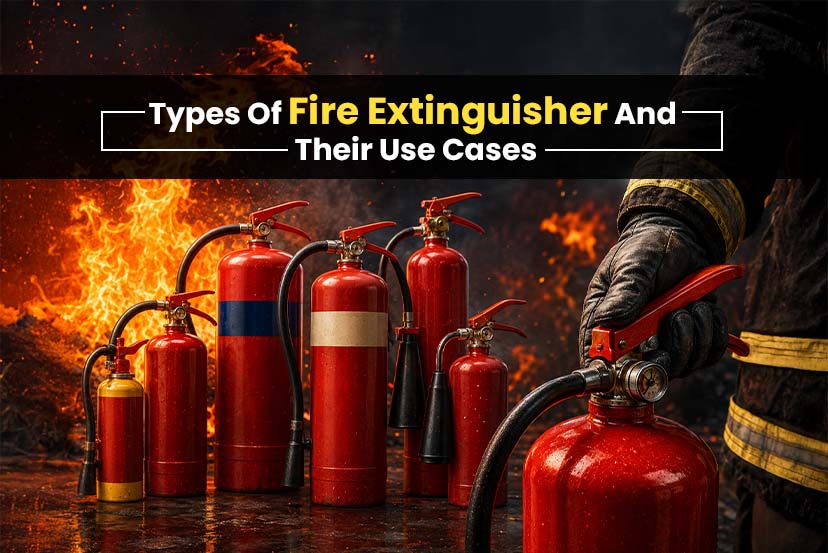
Fire accidents can happen anytime in homes, offices, factories, warehouses, kitchens, laboratories, and commercial buildings. Using the correct fire extinguisher during an emergency is extremely important because different fires require different extinguishing agents. A wrong extinguisher may worsen the situation instead of controlling it. Fire extinguishers are designed to stop fires at an early stage and reduce damage to life and property. Businesses and industries looking to buy fire extinguishers in bulk at wholesale prices, then Moglix Business is the right platform to collaborate with. Understanding the various types of fire extinguishers and their use cases helps individuals and businesses maintain proper fire safety standards.
What Is A Fire Extinguisher?
A fire extinguisher is a portable fire protection device used to control or extinguish small fires. It contains an extinguishing agent that suppresses flames by cooling, smothering, or interrupting the chemical reaction of fire. Modern fire extinguishers are available in different sizes and types depending on the class of fire they are designed to handle.
Understanding Fire Classes
Before choosing a fire extinguisher, it is important to understand fire classifications.
| Fire Class | Type of Fire | Examples |
| Class A | Solid combustible materials | Wood, paper, cloth, rubber |
| Class B | Flammable liquids | Petrol, diesel, paint, oil |
| Class C | Flammable gases | LPG, propane, butane |
| Class D | Combustible metals | Magnesium, aluminum, titanium |
| Class E | Electrical fires | Wiring, appliances, servers |
| Class F/K | Cooking oils and fats | Kitchen oil fires |
Types Of Fire Extinguishers
1. Water Fire Extinguisher
Water fire extinguishers are among the most commonly used extinguishers for Class A fires involving solid combustible materials.
Uses
- Wood fires
- Paper fires
- Cloth and textile fires
- Furniture fires
Advantages
- Easy to use
- Cost-effective
- Environment-friendly
Limitations
- Not suitable for electrical fires
- Unsafe for flammable liquid fires
Best Use Cases
- Schools
- Offices
- Residential buildings
- Warehouses storing paper or wood
2. Foam Fire Extinguisher
Foam extinguishers are effective for both Class A and Class B fires. They create a foam layer over burning liquids, cutting off oxygen supply.
Uses
- Petrol fires
- Paint fires
- Diesel fires
- Solid combustible fires
Advantages
- Prevents fire re-ignition
- Effective on liquid fires
- Covers larger areas quickly
Limitations
- Not ideal for electrical equipment
Best Use Cases
- Petrol pumps
- Garages
- Chemical storage areas
- Workshops
3. Dry Powder Fire Extinguisher (ABC Powder)
ABC dry powder extinguishers are versatile and widely used because they can tackle multiple fire classes.
Uses
- Solid material fires
- Flammable liquid fires
- Gas fires
- Electrical fires
Advantages
- Multi-purpose application
- Fast fire suppression
- Suitable for industrial environments
Limitations
- Leaves powder residue
- Can reduce visibility during discharge
Best Use Cases
- Factories
- Industrial plants
- Vehicles
- Construction sites
4. Carbon Dioxide (CO2) Fire Extinguisher
CO2 extinguishers are specially designed for electrical and flammable liquid fires. They work by displacing oxygen around the fire.
Uses
- Electrical panel fires
- Server room fires
- Computer equipment fires
- Liquid fuel fires
Advantages
- No residue after use
- Safe for electronics
- Quick fire suppression
Limitations
- Limited cooling effect
- Not suitable for outdoor windy conditions
Best Use Cases
- Offices
- Data centers
- Laboratories
- Electrical rooms
5. Wet Chemical Fire Extinguisher
Wet chemical extinguishers are specifically developed for kitchen fires involving cooking oils and fats.
Uses
- Deep fat fryer fires
- Cooking oil fires
- Commercial kitchen fires
Advantages
- Prevents re-ignition
- Highly effective on oil fires
- Provides cooling action
Limitations
- Limited use for other fire types
Best Use Cases
- Restaurants
- Hotels
- Commercial kitchens
- Food processing units
6. Clean Agent Fire Extinguisher
Clean agent extinguishers use non-conductive gases that leave no residue and are safe for sensitive equipment.
Uses
- Electrical fires
- Electronic equipment fires
- Sensitive machinery fires
Advantages
- No cleanup required
- Safe for expensive electronics
- Eco-friendly options available
Limitations
- Higher cost compared to traditional extinguishers
Best Use Cases
- Hospitals
- Data centers
- Telecom rooms
- Museums
7. Metal Fire Extinguisher (Class D)
Class D extinguishers are specially designed for combustible metal fires.
Uses
- Magnesium fires
- Sodium fires
- Titanium fires
- Aluminum powder fires
Advantages
- Specialized metal fire protection
- Prevents explosive reactions
Limitations
- Only suitable for metal fires
Best Use Cases
- Metal industries
- Laboratories
- Chemical manufacturing plants
How To Choose The Right Fire Extinguisher?
Selecting the correct fire extinguisher depends on several factors:
1. Identify Fire Risks: Understand the type of materials present in the area.
2. Check Fire Ratings: Always verify the extinguisher classification and ratings before purchase.
3. Consider Environment: Industrial, residential, commercial, and kitchen environments require different extinguishers.
4. Evaluate Portability: Choose extinguisher size according to the area coverage requirement.
5. Ensure Compliance: Use extinguishers approved by fire safety authorities and standards.
Understand the Importance Of Fire Extinguishers
Fire extinguishers play a critical role in emergency response and safety management.
Key Benefits
- Prevent small fires from spreading
- Protect lives and property
- Reduce financial losses
- Improve workplace safety
- Support fire safety compliance
Fire Extinguisher Maintenance Tips
Proper maintenance ensures reliable operation during emergencies.
Maintenance Checklist
- Inspect the pressure gauge regularly
- Check for physical damage
- Ensure accessibility
- Refill after usage
- Conduct annual servicing
- Train users for proper operation
Common Mistakes While Using Fire Extinguishers
Many people misuse extinguishers during emergencies. Common mistakes include:
- Using water on electrical fires
- Standing too close to flames
- Ignoring maintenance schedules
- Using the wrong extinguisher type
- Not checking expiry or pressure
PASS Technique For Using Fire Extinguishers
The PASS method helps users operate extinguishers effectively.
| Step | Meaning |
| P | Pull the safety pin |
| A | Aim at the base of the fire |
| S | Squeeze the handle |
| S | Sweep side to side |
Applications Of Fire Extinguishers Across Industries
- Residential Buildings: Used for kitchen fires, electrical fires, and furniture fires.
- Commercial Offices: Protect electrical systems, documents, and equipment.
- Manufacturing Industries: Handle chemical, gas, and machinery-related fire hazards.
- Hospitals and Laboratories: Protect sensitive equipment and chemical storage areas.
- Hotels and Restaurants: Essential for kitchen and cooking oil fire protection.
Conclusion
Understanding the different types of fire extinguishers and their use cases is essential for maintaining safety in homes, offices, industries, and commercial establishments. Each extinguisher is designed for a specific fire class, and choosing the correct one can prevent severe damage and save lives.
From water and foam extinguishers to CO2, dry powder, and wet chemical variants, every extinguisher serves a unique purpose. Business Moglix is the one-stop destination for various construction businesses, offices, infrastructure, and different hazardous risk places to procure fire safety equipment in bulk at the most reasonable prices. Proper installation, maintenance, and user training are equally important for effective fire protection. Investing in the right fire safety equipment ensures better emergency preparedness and enhanced workplace safety.


 Back
Back