
Sameer Dealers’ Meet 2025
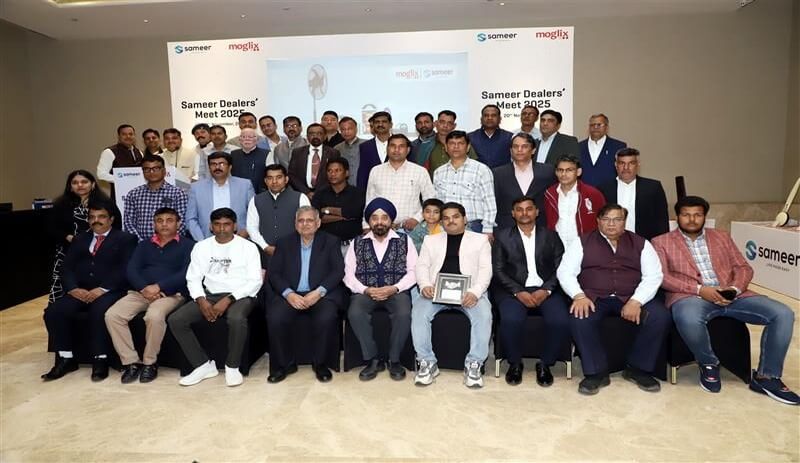
Sameer Dealers’ Meet 2025
Date: 20th Nov
Organizer: Moglix
About the Event: The Sameer Dealers’ Meet 2025 in Noida brought together dealer partners under the theme “Winning Together.” Led by Mr. S. K. Garg, the session focused on strengthening relationships, aligning business priorities, and recognizing key contributions.
A More Distributed Trade Model: Building Resilient Global Supply Chains

A More Distributed Trade Model: Building Resilient Global Supply Chains
In India Today, Rahul Garg discussed the need for more distributed global trade systems, noting that diversification and digital visibility are becoming essential to managing supply chain risk.
Top 10 Steel Companies in India: Latest and Updated Ranking 2025-2026
Top 10 Steel Companies in India: Latest and Updated Ranking 2025-2026
India is now the second-largest steel producer in the world, and steel consumption continues to grow rapidly due to massive investments in infrastructure, manufacturing, real estate, and renewable energy. As we look ahead into 2025 and 2026, the Indian steel industry is stronger than ever, powered by high-capacity plants, global-grade R&D, and sustainable production practices. Before you plan to buy the steel in bulk, you need to gather information about the best steel manufacturers and brands in India.
This blog highlights the Top Steel Companies in India (2025–2026) based on:
- Production capacity
- Reputation and brand history
- Technological capabilities
- Quality of steel products
- Market demand and customer trust
- National & global presence
- Sustainability initiatives
Executive Summary
India’s steel sector isn’t just growing – it’s accelerating. Domestic production and consumption are both climbing at high single-digit rates, capacity utilisation is running above 90%, and the government has set a formal roadmap to nearly double capacity by 2030 and reach 400 MT by 2035. Against that backdrop, this article ranks the ten companies best positioned to capture that demand – from Tata Steel’s century-plus legacy to JSW Steel’s aggressive 100 MTPA expansion plan to ArcelorMittal Nippon Steel India’s globally benchmarked automotive-grade output.
Beyond the ranking, this piece breaks down the five forces reshaping Indian steel procurement in 2026 – capacity expansion, rising exports, green steel adoption, infrastructure-led demand, and price volatility – along with a practical framework for matching a supplier to your project and the questions procurement teams and buyers ask most often. Whether you’re sourcing TMT bars for a construction site or structural steel for an industrial build, the goal is the same: buy from a brand whose capacity, quality certifications, and delivery network actually match your project’s scale.
Check Out The Latest Ranking Of Top 10 Steel Brands In India
1. Tata Steel Limited
Brand History
Founded in 1907, Tata Steel is India’s oldest and one of the world’s most respected steel manufacturers. It started with Asia’s first integrated steel plant at Jamshedpur.
Why It’s in the Top 10
- Industry-leading quality & reliability
- Strong global presence (Europe, Southeast Asia)
- Focus on innovation and green steel
- Wide product range: TMT bars, structural steel, hot/cold rolled steel, wire rods
2. JSW Steel
Brand History
Part of the JSW Group, JSW Steel began expanding rapidly in the 1990s and is now one of India’s most modern steel producers.
Why It’s in the Top 10
- Advanced manufacturing technologies
- Strong capacity expansion plan (100 MTPA vision)
- High-strength TMT & structural steel are popular with builders
- Strong supply chain across India
3. Steel Authority of India Limited (SAIL)
Brand History
SAIL is a Government of India Maharatna company established in 1973, with five integrated steel plants across the country.
Why It’s in the Top 10
- Top supplier for government & infrastructure projects
- Large product portfolio: plates, rails, structural steel, TMT
- Strong credibility for consistent quality
- Major supplier for Indian Railways
4. Jindal Steel & Power (JSPL)
Brand History
Established in 1989, JSPL transformed India’s steel sector with high-end manufacturing for heavy infrastructure.
Why It’s in the Top 10
- Best-in-class structural steel (beams, channels, angles)
- Known for high-grade TMT bars
- Large global presence
- World’s first coal gasification-based DRI plant
5. ArcelorMittal Nippon Steel India (AM/NS India)
Brand History
Created from a partnership between global giants ArcelorMittal and Nippon Steel, it operates one of India’s most advanced steel plants in Hazira.
Why It’s in the Top 10
- High-end, globally benchmarked steel quality
- Advanced R&D and coating technology
- Massive capacity expansion underway
- Preferred for automotive & industrial applications
6. Bhushan Steel (now Tata Steel BSL)
Brand History
Originally Bhushan Steel, it was acquired by Tata Steel and now operates as Tata Steel BSL.
Why It’s in the Top 10
- Strong in CR/HR coils, sheets & coated steel
- Focus on automotive-grade steel
- Major supplier to the construction, appliances, and auto sectors
7. Essar Steel (now AM/NS–Essar operations)
Brand History
Essar Steel was once India’s leading flat steel producer; after restructuring, its operations are now a part of AM/NS India’s network.
Why It’s in the Top 10
- High-grade flat steel capacity
- Strong demand from oil & gas, engineering & manufacturing sectors
- Advanced hot strip mill technology
8. Rashtriya Ispat Nigam Limited (RINL – Vizag Steel)
Brand History
Established in 1982, RINL is the first shore-based integrated steel plant in India.
Why It’s in the Top 10
- Premium-quality TMT and structural steel
- Strong domestic market presence
- Eco-friendly steel manufacturing practices
9. Lloyds Metals & Energy
Brand History
Lloyds began as a mid-sized steel player and grew significantly due to its iron ore & steel manufacturing integration.
Why It’s in the Top 10
- Rapid capacity expansion
- Competitive pricing
- Specializes in sponge iron, billets & TMT
- Growing popularity in central & western India
10. Electrosteel Steels (A Vedanta Group Company)
Brand History
Known originally for ductile iron pipes, Electrosteel diversified into steel manufacturing and was later acquired by Vedanta.
Why It’s in the Top 10
- Strong DI pipe & steel product mix
- Popular in water infrastructure projects
- Excellent value offerings for contractors
Key Factors That Keep These Companies on Top (2025–2026)
- High production capacity: These companies have some of the largest steel plants in India.
- Strong distribution networks: They ensure supply even to remote regions and major infrastructure sites.
- Reliable quality: Each brand has ISO certifications, R&D teams, and world-class QC processes.
- Sustainability leadership: Most have adopted green steel initiatives, waste recycling, and reduced carbon footprint targets.
- Long industry legacy: Decades of trust make them preferred suppliers for both private and government projects.
Steel Industry Trends & Data Shaping 2026
1. India’s output is growing fast, and the government has set an aggressive long-term capacity target: India’s crude steel production capacity reached roughly 200 MT in FY25, and the government’s roadmap targets 300 MT by FY30 and 400 MT by FY35 – 36, with a longer-range ambition of 500 MT by 2047. In the first half of calendar 2026 alone, India produced and consumed around 86 million tonnes of finished steel – a scale exceeded only by China – with finished steel production and consumption both rising by roughly 9.5% year-on-year.
2. Capacity utilisation is running hot, and margins are improving alongside it: Strong domestic demand, rising exports, and infrastructure-led growth are keeping capacity utilisation above 90% industry-wide, with improving margins reported as finished steel prices firmed up through 2026 – a signal that supply additions haven’t yet outpaced real consumption.
3. Exports are surging while import dependence is shrinking: Steel exports rose nearly a third during April–December 2025, and by March 2026, exports were up 29.1% year-on-year while imports fell 9.5% – a meaningful shift that reflects growing confidence in India’s domestic capacity and a push toward global competitiveness, even as a spike in imports earlier in the year triggered anti-dumping scrutiny against China, Japan, and Russia.
4. Infrastructure, housing, and auto demand are the demand engines – not just capacity math: Domestic rolled steel consumption climbed 8.3% year-on-year in Q1 FY26/27, driven primarily by government infrastructure spending, residential construction, railways, and continued expansion in the automotive and engineering sectors. Steel consumption overall has effectively doubled over the past decade, from 77 MT in 2014 – 15 to 152 MT in 2024 – 25.
5. Green steel and decarbonisation are becoming a genuine competitive differentiator, not just a compliance checkbox: Major producers – Tata Steel, JSW, AM/NS India, among them – are actively investing in green steel initiatives and emissions-reduction technology as India pursues a net-zero emission-intensity target for the sector by 2070. Expect brand selection criteria to increasingly weigh sustainability certifications alongside price and capacity, especially for buyers serving export-facing or ESG-conscious clients.
Picking Your Steel Supplier in 2026
With India’s steel output racing toward 183 million tonnes in FY26/27 and capacity utilization running above 90%, supply is tight enough that the who you buy from matters as much as the what. Each of the ten companies profiled here leads in a different product segment – TMT bars, structural steel, coils, plates, wire rods, or hollow sections – and the right choice depends entirely on your project type, budget, required grades and strength, delivery timelines, and brand preference.
The trendline is clear: demand isn’t slowing, exports are strengthening, and sustainability credentials are becoming a real differentiator between suppliers. Locking in reliable capacity now – with a manufacturer whose product mix and quality certifications match your project – is a stronger long-term procurement strategy than chasing the lowest quote in a tightening market.
If you’re an infrastructure company, a constructor, or a procurement team looking to buy steel in bulk, manage multiple brands, or secure credit terms, platforms like Moglix Business help streamline sourcing, verify authenticity, and manage end-to-end supply for steel used in construction and engineering projects.
Frequently Asked Questions
Q1. Which is the largest steel company in India by capacity?
Tata Steel and JSW Steel are generally regarded as India’s largest producers by capacity, with JSW pursuing an aggressive 100 MTPA expansion plan.
Q2. Is India’s steel industry growing in 2026?
Yes, finished steel production and consumption both grew by around 9.5% year-on-year in the first half of 2026, among the strongest growth rates of any major steel-producing nation.
Q3. Which Indian steel brand is best for TMT bars?
Tata Steel, JSW Steel, SAIL, and JSPL are all well regarded for high-grade TMT bars, with the right choice depending on regional availability and project specification.
Q4. Why are steel exports rising while imports are falling?
Domestic capacity expansion and government measures supporting local producers have strengthened India’s export competitiveness, while anti-dumping action on cheaper imports has curbed inbound volumes.
Q5. What is “green steel” and why does it matter for buyers?
Green steel refers to production using lower-carbon methods, such as coal gasification-based DRI or renewable energy integration; it matters increasingly for buyers with ESG commitments or export-facing supply chains.
Q6. How is India’s steel capacity expected to grow through 2030 and beyond?
Government targets call for capacity to reach 300 MT by FY30, 400 MT by FY35–36, and 500 MT by 2047, driven by continued private and public investment.
Q7. Should I buy steel directly from manufacturers or through a procurement platform?
Direct purchase works for large, predictable volumes, while procurement platforms like Moglix Business help smaller or multi-brand buyers manage authenticity, credit terms, and logistics more efficiently.
Q8. Are steel prices expected to rise in 2026?
With capacity utilisation above 90% and demand growth outpacing supply additions in some quarters, prices have firmed through 2026, though continued capacity expansion is expected to moderate sharp increases.
Chemicals and Petrochemicals Expo (CPX) 2025
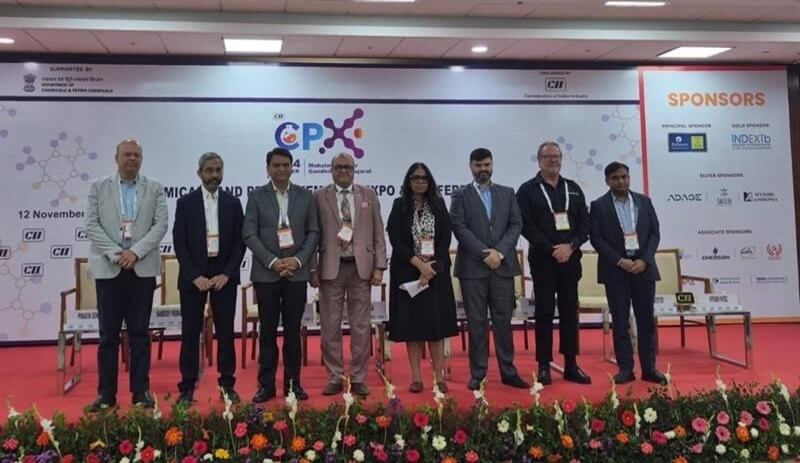
Chemicals and Petrochemicals Expo (CPX) 2025
Date: 12th-14th Nov
Organizer: CII
About the Event: Ms. Jigyasa Kishore (she/her), Vice President, Moglix, recently spoke at the Chemicals and Petrochemicals Expo (CPX) 2025, organized by Confederation of Indian Industry, on “Becoming Future Ready with AI.”
Moglix CPO Leadership Evening: Exclusive Roundtable with 35+ CPOs & CFOs in Dubai
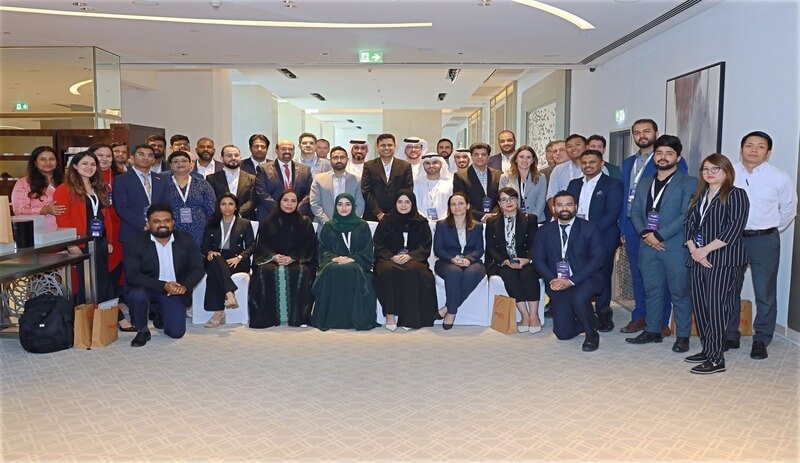
Moglix CPO Leadership Evening: Exclusive Roundtable with 35+ CPOs & CFOs in Dubai
Date: 12th Nov
Organizer: Moglix
About the Event: An exclusive CPO Leadership Meet in Dubai marked 5 years of Moglix in the UAE and 10 years globally. Our Founder & CEO, Mr. Rahul Garg, engaged with 35+ Chief Procurement and Supply Chain Leaders from across the GCC, sharing his vision for the next decade. The discussion, themed “The Next Decade of Procurement: From Cost Control to Value Creation,” highlighted the growing strategic role of procurement.
Scaling Efficiency: Lessons from Enterprises That Standardized MRO Procurement
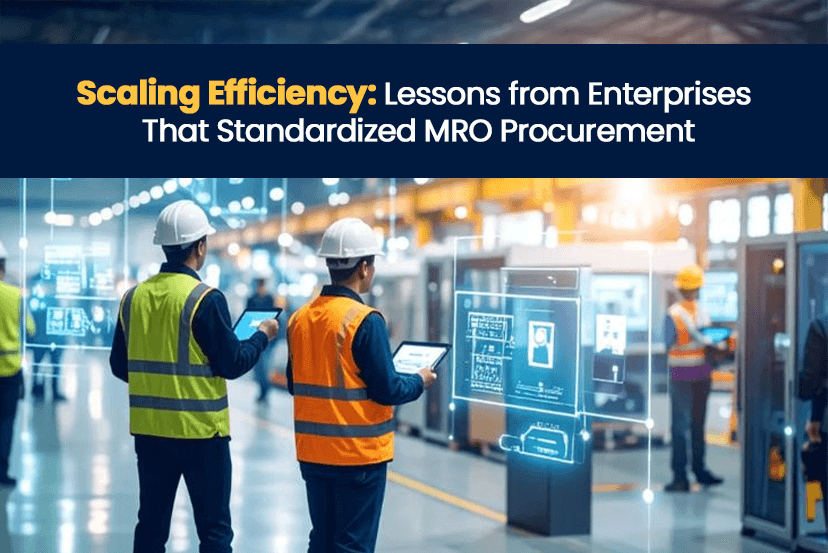
Scaling Efficiency: Lessons from Enterprises That Standardized MRO Procurement
Want to Stop Wasting Time (and Budget) on MRO? Standardization Might Be Your Best Move
If your MRO procurement still looks like a patchwork of different vendors, systems, and processes across locations, don’t worry, you’re not the only one.
For a lot of growing businesses, this kind of fragmentation just happens. One site orders from its preferred local vendor. Another sticks with what they’ve always used. A third facility? Probably has someone ordering critical spares off a spreadsheet they made five years ago.
But here’s what enterprise-level businesses are doing differently: they’re pulling all those scattered processes together and building one cohesive, standardized MRO procurement system. And the results? More control, faster turnaround, and less operational friction across the board.
Let’s get into how they’re doing it-and why it’s working.
First, Why Standardization Matters So Much for MRO
MRO isn’t always high on the priority list. It’s not as flashy as direct procurement or production lines. But when it’s not handled right, it creates real headaches:
- Delayed maintenance jobs
- Unplanned downtime
- Overstocking or emergency buying
- Ballooning vendor lists
- Inconsistent pricing and terms
When every facility or team is sourcing differently, even simple purchases get complicated. Multiply that across dozens of locations or business units, and suddenly your “small” MRO spend turns into a margin killer.
What the Best-Run Companies Are Doing Differently
1. They’ve Centralized the Process-But Kept Local Flexibility
Top-performing enterprises don’t centralize just for the sake of it. They do it to simplify and scale, without slowing down frontline teams.
Here’s how that looks:
- A central system manages sourcing, cataloging, and vendor relationships
- Local teams order from an approved list of parts and suppliers
- Exceptions are tracked-not punished-so real needs still get met
- Finance, procurement, and ops finally speak the same language
Result: fewer errors, faster sourcing, and a whole lot less back-and-forth.
2. They Built a Unified SKU Catalog (And Stuck With It)
It sounds simple, but this is where the magic happens. Enterprises that standardize MRO build a master catalog with consistent part numbers, descriptions, and specs across locations.
No more guessing whether the “ball bearing 6004Z” in Plant A is the same as the one listed as “BB-6004Z-S1” in Plant B.
One catalog. One source of truth. Fewer mix-ups.
Plus, once you have consistency in SKUs, it’s easier to negotiate pricing, manage inventory, and run reports that actually mean something.
3. They Lean Into Data (Instead of Chasing It)
Before standardization, most teams couldn’t even see their MRO spend clearly. It’s buried in spreadsheets, siloed in local systems, or spread across dozens of vendors.
Enterprises that have cracked the code get serious about data:
- Real-time visibility into spend by category, site, or cost center
- Usage patterns that help forecast needs (and reduce overstocking)
- Supplier performance metrics that drive better decisions
With the right tech, MRO stops being a reactive cost center-and starts becoming a strategic function.
4. They Reduced Their Vendor Count (But Didn’t Lock Themselves In)
One major win from standardizing? Trimming the vendor list.
The companies doing this right usually consolidate down to a few trusted partners per category, then set clear service expectations. They’re not locked in-they’re just strategic about who they work with and how.
And guess what? Fewer vendors means:
- Better rates
- Smoother communication
- Cleaner invoicing
- And way fewer headaches
Lessons from the Field: What Enterprise Teams Have Learned
Let’s break down some real-world takeaways from companies that have already been through the process.
Don’t Wait Until You Scale to Standardize
Most companies wait until things get chaotic before trying to bring order. But the earlier you set the foundation-like SKU standards, approved vendor-managed inventory, and centralized systems easier it is to grow without everything falling apart.
Standardization Doesn’t Mean Slowing Down
The fear is always: “Will this add red tape?” The answer: not if you do it right. The best systems actually speed things up by giving teams what they need, when they need it-just without the guesswork.
It’s a Culture Shift, Not Just a System Shift
Standardizing MRO isn’t just a procurement or IT initiative. It needs buy-in from maintenance teams, plant managers, and finance. Companies that get this right focus just as much on change management as they do on the tech itself.
What Results Are We Talking About?
| Change Made | Time to See Results | Typical Impact |
| SKU Catalog Standardization | 2-3 months | 10-20% reduction in duplicates |
| Vendor Consolidation | 4-6 months | 8-15% savings on unit cost |
| Centralized Procurement System | 3-5 months | 20-30% fewer stockouts |
| Real-time Spend Visibility | 1-2 quarters | Faster decision-making, better forecasts |
| Process Alignment Across Sites | 6-9 months | Stronger compliance + efficiency |
Thinking About Standardizing Your MRO Procurement?
Here’s where to start:
- Audit your current vendor list: You’ll probably find 5 suppliers for the same product
- Look for duplicate SKUs across sites: Clean data = smoother procurement
- Talk to the people using the parts: Maintenance teams often know where the waste is
- Pick one site or category as your pilot: Prove the concept before rolling it out
The goal isn’t to overhaul everything overnight. It’s to bring consistency and clarity-one piece at a time.
Final Thought: Standardization Isn’t Boring. It’s a Power Move.
When you look at the most efficient enterprises out there, one thing becomes obvious: they didn’t scale by doing more of the same. They scaled by doing the same things better.
And that’s what standardizing MRO procurement is really about.
It’s not just about reducing costs. It’s about creating a system that works-across sites, categories, and teams. One that saves time, cuts waste, and lets your people focus on what they’re great at.
You don’t have to chase a hundred moving parts to run a tight operation. You just need the right system-and the right partner like Moglix Business to help you build it.
84th Annual Session of the Indian Roads Congress
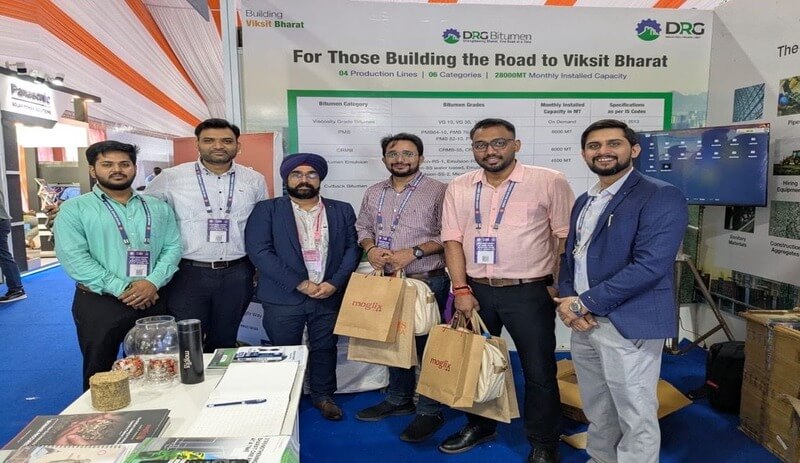
84th Annual Session of the Indian Roads Congress
Date: 7th – 10th Nov
Organizer: IRC
About the Event: In collaboration with DRG Industries, the Moglix booth brought together industry leaders, innovators, and experts for engaging conversations on the future of India’s evolving road network.
CII TG-PackCON 2025
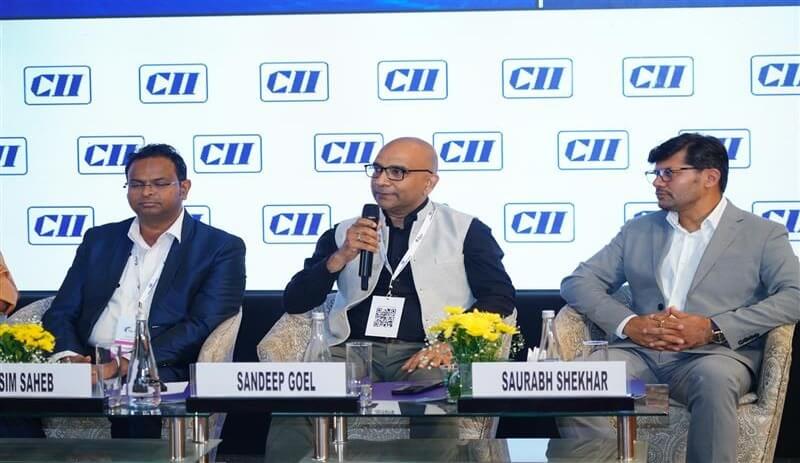
CII TG-PackCON 2025
Date: 6th –7th Nov
Organizer: CII
About the Event: Mr. Sandeep Goel, Managing Director & COO, Moglix, shared his insights on “Efficiency, Competitiveness & the New Growth Equation,” exploring how technology, talent, and transformation are driving the nation’s next wave of industrial progress.
The Power of One: Why a Single Window for MRO Procurement Beats 100 Vendors
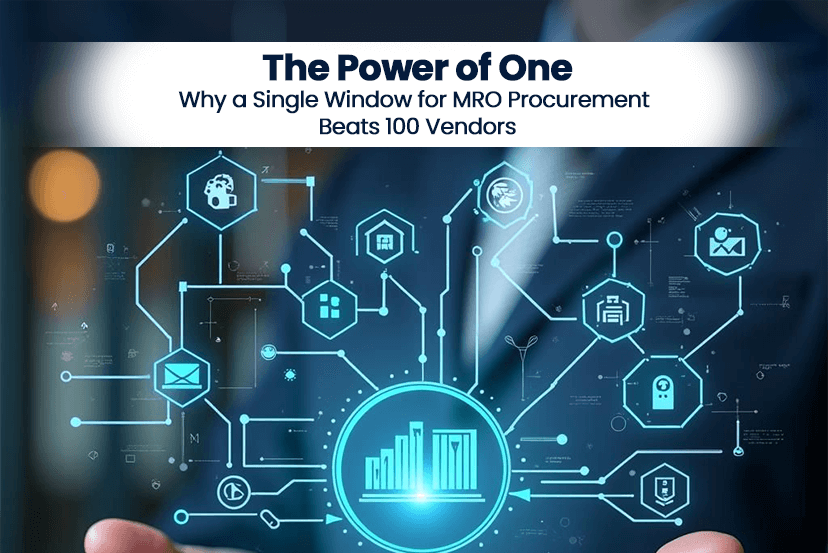
The Power of One: Why a Single Window for MRO Procurement Beats 100 Vendors
Still Managing 100 MRO Vendors? There’s a Better Way.
Let’s be real-Maintenance, Repair, and Operations (MRO) procurement has a habit of getting messy fast.
It starts simple. You need a few spares, a few tools, and a few suppliers. But fast forward a year, and suddenly you’ve got 78 vendor codes, 4 different quote formats, and a spreadsheet that no one wants to touch.
Sound familiar?
That’s why more companies are rethinking the entire approach-ditching the vendor jungle and moving to a single-window MRO procurement model. Less admin. More control. Lower total cost. And a supply chain that doesn’t make your ops team want to scream.
Let’s break down what’s actually changing-and why consolidating MRO just makes sense right now.
Why Juggling Vendors Doesn’t Work Anymore
There was a time when spreading your MRO spend across 10, 20, even 100 vendors felt like a good strategy. You’d compare prices, negotiate better deals, and avoid dependency on any one supplier.
But here’s the thing: that logic falls apart when you factor in everything else.
Multiple vendors mean:
- More POs, more follow-ups, more chasing
- Disconnected data across categories
- Zero visibility into total spend or savings
- Wildly inconsistent lead times
- Overlapping SKUs with different specs
And the real kicker? The “cost savings” from sourcing everything piecemeal usually disappear once you add up the hidden costs: delayed maintenance, downtime, overstocking, urgent shipping fees, you get the idea.
What a Single-Window Model Actually Looks Like
A single-window MRO procurement model doesn’t mean you’re buying less. It means you’re buying smarter through one trusted partner who manages the complexity for you.
Here’s what it looks like in action:
- One partner manages sourcing across multiple categories
- A unified catalog with pre-vetted SKUs and suppliers
- Centralized tracking, billing, and reporting
- Fewer touchpoints, cleaner communication
- Built-in compliance with your quality and sourcing policies
You still get access to multiple brands, product options, and price points—just without the chaos of dealing with 30+ vendors every month.
The Payoff: Why More Companies Are Consolidating Now
1. Lower Total Cost of Ownership (TCO)
Sure, the unit price might be 2% lower from Vendor X. But when you factor in freight, admin, downtime, and duplicate inventory? The “cheaper” option often ends up costing you more.
Single-window models help optimize the entire MRO lifecycle-from sourcing to stocking to invoicing. That’s where the real savings are.
2. Faster Turnaround, Fewer Stockouts
Working with one partner means faster sourcing, quicker issue resolution, and better planning. You get clearer visibility into stock levels, lead times, and reorder points, so maintenance never gets held up because someone forgot to order bearings last week.
3. Streamlined Workflows (That People Actually Use)
No more chasing five vendors for five quotes. No more mismatched part numbers or surprise substitutions. A single-window system standardizes the entire workflow, so your teams can focus on what matters-keeping operations running smoothly.
4. Better Negotiation Power
When you consolidate spend with one partner, you gain leverage. That leads to better rates, stronger SLAs, and actual service guarantees. You’re not just another small order in someone’s inbox-you’re a strategic customer.
5. Real Data, Real Decisions
When all your MRO procurement runs through one source, suddenly you can see things clearly. Which plants are over-ordering? Where is the bleeding margin? What’s the actual cost of maintaining that legacy machine?
You can’t fix what you can’t see. Single-window models give you the data to make smarter calls, faster.
What This Looks Like on the Ground
Let’s say you’re running multiple facilities across regions. Each site has its own vendor list, preferred brands, and procurement process. Sounds flexible-but in practice?
- You’re duplicating efforts at every site
- You’re missing out on volume discounts
- Stockouts and urgent buys are happening too often
- There’s no clean way to compare or track spend across the network
Now picture this instead:
- All MRO procurement flows through one central partner
- SKUs are standardized where possible
- You get consolidated billing and real-time dashboards
- Each facility still has autonomy-just within a smarter, unified system
Suddenly, you’re not just keeping up. You’re running leaner, faster, and more predictably.
A Few Things to Watch Out For
Going from 100 vendors to one isn’t about locking yourself in. It’s about building a relationship with a partner who can flex with you.
That means:
- Transparent pricing
- A strong vendor network behind the scenes
- Custom catalog options for your specific needs
- SLAs that actually reflect your ops schedule
- Ongoing support-not just another helpdesk ticket
You want a partner, not a gatekeeper.
Final Thoughts: Less Chaos, More Control
The old model of managing a long list of MRO vendors is showing its cracks. It eats up time, bloats your costs, and keeps your teams in reactive mode.
Switching to a single-window MRO model at Moglix Business not only cleans up the mess but also gives you control, consistency, and clarity where it matters most.
And here’s the best part: it doesn’t mean giving up flexibility. It means being intentional about how you buy, who you partner with, and how your systems support your business-not slow it down.
Rubber and Polymer Sourcing for Automotive: A Hidden Supply Chain Risk
Rubber and Polymer Sourcing for Automotive: A Hidden Supply Chain Risk
When people speak of supply chain risks in the auto industry, they tend to turn toward semiconductors, steel, or rare earth minerals. Very few pause to think about rubber and polymers. Yet, take them away and the industry would grind to a halt. Cars wouldn’t have tires, seals, or hoses. These substances permeate the world around you, but you hardly ever hear about them.
In this blog dive, we’re going to talk about the ways rubber and polymers are sourced and why it matters for the automotive industry, what makes it especially tough for procurement pros to manage, and how the rise of EVs is reshaping demand.
The Role of Rubber and Polymers in Automotive Manufacturing
Manufacturers depend on two main streams: first, natural rubber, which is mainly extracted from plantations in Asia, and second, synthetic polymers, which are made from petrochemicals.
Natural rubber is important for its flexibility and durability, whereas polymers provide strength, heat resistance, and weight reduction. It generally helps in today’s fuel-efficient designs.
Every car contains far more rubber and polymer than most consumers realize. These materials are used extensively in:
1. Seals and gaskets that keep engines and transmissions airtight.
2. Hoses and belts that manage fluids and power transmission.
3. Bushings and suspension components that absorb shock and improve comfort.
4. Dashboards, bumpers, and interior trims made from synthetic polymers and resins.
In some estimates, polymers account for a vast volume in modern cars, especially as automakers focus more on lightweighting.
Even though they are a much smaller percentage of the total material cost than steel or aluminum, rubber and polymers are mission-critical. And if a factory runs short of polymer resins or critical rubber parts, entire assembly lines can grind to a halt.
Why Rubber and Polymer Sourcing Is Different From Other Materials
Rubber and polymer buying isn’t logic that applies to buying steel or aluminum. The issues are more complex.
1. Heavy Dependence on Southeast Asia for Natural Rubber
The rubber industry, for one, was geographically concentrated. Nearly 90% of it comes from Southeast Asia, largely Thailand, Indonesia, and Vietnam. It is produced all over the world, millions of small farmers at the mercy of weather, soil quality, and diseases.
2. Synthetic Polymers and Oil Price Linkages
Synthetic polymers are bound to the oil markets. They derive from petrochemicals, which means their prices many times behave in sync with crude oil. Any geopolitical shake-up in the world’s oil-producing regions can send polymers soaring, pinching automakers that are already running on razor-thin margins.
3. Stringent Quality Demands from Automakers
The bar for quality in auto is unusually high. Parts have to endure intense heat, pressure, and wear over multiple years of use. That implies procurement groups cannot just replace suppliers in the event of shortages. There is only a finite set of suppliers that can meet the standards on a consistent basis, further constraining the choices.
Hidden Supply Chain Risks in Rubber and Polymer Procurement
Risks involved in rubber and polymer sourcing tend to go unnoticed until they become severe.
1. One of the largest risks is environmental vulnerability. Rubber plantations are subject to climatic risks, floods, storms, or extended droughts can decisively affect yields. Crops have been ruined by diseases such as leaf blight. Piled onto this is increasing pressure to stop deforestation associated with rubber farming, leaving procurement leaders competing on cost and sustainability.
2. Price volatility has ever pursued these markets. Price volatility typifies natural rubber, whose prices have fluctuated wildly in the past few decades, while prices of synthetic polymers rise and fall with oil. For manufacturers producing on huge scales, these fluctuations ripple across whole product ranges.
3. Compliance and ESG pressures are also mounting louder. Car companies are being called upon to demonstrate that their sourcing is both sustainable and ethical. Joining initiatives such as the Global Platform for Sustainable Natural Rubber (GPSNR) is becoming less voluntary and increasingly a reputational imperative.
4. There are logistics and geopolitical risks. With all the production based in Southeast Asia, a disruption at ports or shipping lines can hold up deliveries globally. Shortages of containers during the pandemic showed just how exposed these supply chains are.
How EVs Boost Rubber and Polymer Demand
The shift to electrical mobility introduces even greater complexity. EVs do not contain engines in the conventional sense, but they rely heavily on sophisticated polymers and rubber products.
Battery packs, for instance, need specific polymer encasements and insulation to control heat and safety. Light polymers offset the tremendous weight of lithium-ion batteries to enable EVs to be more efficient. Thermal stability and water resistance are essential for battery safety, and rubber seals and gaskets have an even larger role to play in this case.
Even the tires vary. EVs need low-rolling-resistance tires that are capable of withstanding more torque and heavier loads without degrading prematurely. This necessitates proprietary rubber compositions, which further strain the supply.
Therefore, EV take-up doesn’t decrease reliance on rubber and polymers; it heightens it. Procurement leaders need to obtain not only greater volumes but also higher-specified grades of those materials.
Conclusion
Rubber and polymers might not top supply chain conversations the same way that semiconductors or lithium do, but they are not ones to be ignored. They are the unsung heroes of car performance, safety, and comfort. The issue is that their sourcing is accompanied by special vulnerabilities, geographic concentration, oil dependence, climate risk, and increasing ESG focus.
As EVs continue to grow, demand will only be higher, compounding procurement even further. What was once deemed “secondary” material is now at the forefront of the next generation of vehicle development.
Automotive procurement executives must go beyond cost. They have to think resilience, they have to think sustainability, and think diversified supplier base. Traceability technology spend, strategic supplier relationships over the long term, and sustainably sourcing programs will also be key to addressing these unseen vulnerabilities.
Is your company getting ready to build resilience in rubber and polymer purchasing?
Leverage Moglix Business to drive agility through end-to-end procurement solutions for sourcing rubber and polymer components. Turn your weakness in the rubber/ polymer supply chain into a strategic advantage with us. Get in touch today to see how our technology-driven platform can provide the visibility, reliabilit,y and cost savings your automotive venture needs.


 Back
Back