
Unlocking India’s manufacturing potential through B2B e-commerce
Unlocking India’s manufacturing potential through B2B e-commerce
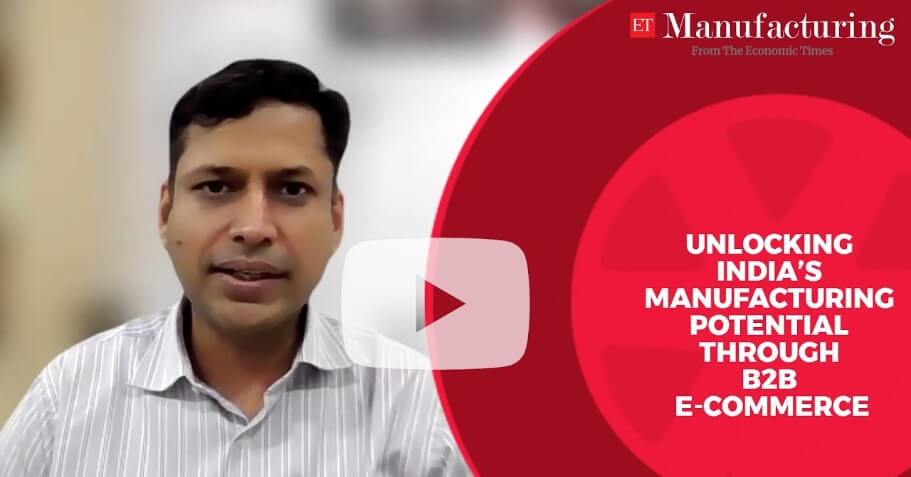
In a discussion with ET Manufacturing, Rahul Garg, delved into India’s evolving manufacturing landscape. He highlighted the pivotal role of B2B e-commerce in transforming procurement processes by offering enhanced price transparency, a broader supplier network, and expedited order fulfillment. Garg emphasized that digital platforms enable manufacturers to compare products, check real-time availability, and place orders seamlessly, thereby improving cost efficiency and operational speed. He also discussed the impact of government initiatives like the Make in India and PLI schemes on the sector’s growth trajectory.
Read MoreManufacturing Outlook 2025: Key Trends that will shape the Future
Manufacturing Outlook 2025: Key Trends that will shape the Future
Rahul Garg recently shared his insights with Entrepreneur India on the evolving landscape of India’s manufacturing sector. He highlighted the transformative impact of digital technologies, automation, and data analytics, reshaping traditional manufacturing processes. Garg emphasized that these innovations not only drive efficiency and reduce costs but also improve product quality, enabling businesses to compete globally. He stressed the need for collaboration and continuous innovation within the industry, particularly in leveraging emerging technologies to stay ahead of the curve. Garg’s views reinforce the critical role of technological adoption in positioning India’s manufacturing sector for sustained growth and global leadership.
Sheet Metal Fabrication: Why Material Selection Matters for Manufacturers & Procurement Professionals
Sheet Metal Fabrication: Why Material Selection Matters for Manufacturers & Procurement Professionals
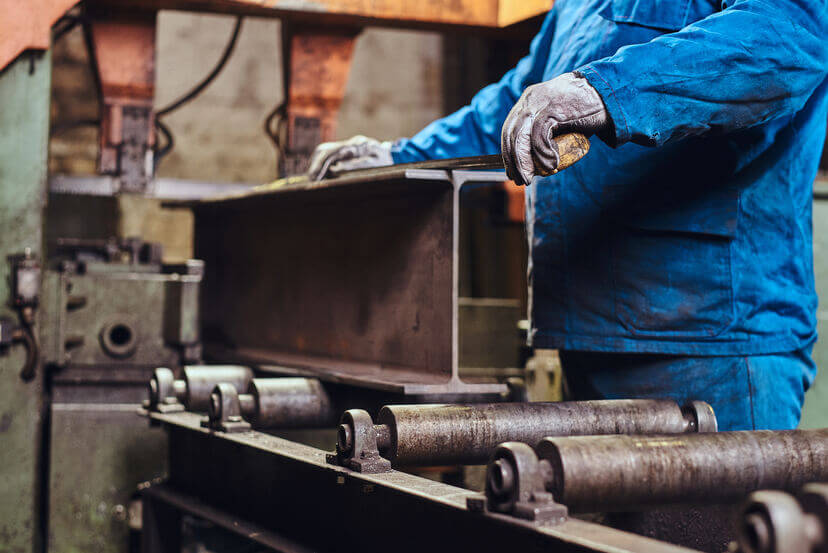
In the realm of sheet metal fabrication, material selection is a pivotal factor influencing the quality, performance, and cost-effectiveness of the final product. Choosing the appropriate material ensures that the fabricated component meets industry standards and functions optimally in its intended application. In sectors such as infrastructure, public sector undertakings (PSUs), automotive, and aerospace, the right material choice can define the success of a project.
This article delves into the significance of material selection, exploring key considerations, common materials, and industry best practices to ensure efficiency and durability in sheet metal fabrication.
The Importance of Material Selection
Material selection is integral to the fabrication process, impacting various aspects such as manufacturability, durability, and overall performance. Here’s why it matters:
- Compliance with Industry Standards: Various industries follow strict regulatory standards for materials used in fabrication. For instance, the automotive sector adheres to ISO/TS 16949, while the aerospace sector follows AS9100 standards. The wrong material selection can lead to compliance issues, product failures, and financial losses.
- Structural Integrity: The selected material must possess mechanical properties like tensile strength, hardness, and impact resistance to ensure the component withstands operational stresses over time. Industries such as construction, railways, and defense require materials that can endure harsh conditions without compromising integrity.
- Manufacturing Efficiency: Different materials respond differently to fabrication processes such as cutting, bending, welding, and forming. A material that is easier to process contributes to efficient production workflows, reducing lead times and minimizing material waste.
- Cost Management: Balancing performance with cost-effectiveness is critical. While high-performance materials like stainless steel offer superior benefits, they may not be feasible for budget-sensitive projects. Smart material selection allows manufacturers to optimize costs without compromising quality.
- Environmental Resistance: Industries such as marine, aerospace, and infrastructure require materials with high x to withstand environmental exposure. The right choice ensures longevity, reducing maintenance costs and preventing premature failure.
Factors Influencing Material Selection
Selecting materials for sheet metal fabrication involves evaluating multiple parameters:
- Mechanical Properties
Understanding a material’s tensile strength, hardness, ductility, and impact resistance is crucial to ensuring it meets the performance demands of the application.
- Formability & Ductility
A material’s ability to be bent, stretched, or formed without breaking determines its suitability for complex shapes and intricate designs. Industries like automotive and consumer electronics rely heavily on materials that offer excellent formability.
- Weldability
Many fabrication projects require welding for assembly and reinforcement. Materials must be compatible with welding techniques like TIG, MIG, or resistance welding to ensure strong, defect-free joints.
- Surface Finish Requirements
For industries where aesthetics matter, such as architecture, interior design, and appliances, materials must be capable of achieving desired surface finishes like polishing, anodizing, or powder coating.
- Environmental & Chemical Resistance
Projects in chemical plants, oil & gas, and marine industries demand materials that can resist corrosion, oxidation, and chemical exposure to enhance longevity and performance.
Common Materials in Sheet Metal Fabrication
Several materials are commonly used in sheet metal fabrication, each offering unique properties suitable for various applications:
Carbon Steel
- Strength & Durability: Ideal for structural applications.
- Cost-Effective: More affordable compared to stainless steel.
- Requires Coatings: Susceptible to rust if left untreated.
- Used In: Construction, heavy machinery, automotive.
Stainless Steel
- Corrosion & Heat Resistance: Ideal for harsh environments.
- Hygienic: Used in food processing and medical applications.
- High Strength: Withstands mechanical stress.
- Used In: Food industry, aerospace, medical equipment.
Aluminum
- Lightweight & Corrosion-Resistant: Perfect for weight-sensitive applications.
- High Conductivity: Used in electronics and heat exchangers.
- Excellent Formability: Easily shaped into complex designs.
- Used In: Aerospace, automotive, consumer electronics.
Copper
- Superior Electrical & Thermal Conductivity: Essential for electrical applications.
- Antimicrobial: Suitable for hospitals and public spaces.
- High Malleability: Allows intricate designs.
- Used In: Electrical components, HVAC, medical applications.
Brass
- Corrosion-Resistant & Aesthetic Appeal: Common in decorative applications.
- Good Machinability: Allows precise detailing.
- Used In: Plumbing, musical instruments, hardware fittings.
Industry Best Practices for Material Selection
1. Project-Specific Selection
Different industries have unique material requirements. Conducting a thorough analysis of project needs ensures that materials align with performance expectations.
2. Supplier Collaboration
Engaging with reliable material suppliers helps in sourcing high-quality materials with consistent properties and certified compliance.
3. Material Testing & Prototyping
Before full-scale fabrication, materials should undergo testing for mechanical performance, formability, and resistance to environmental stressors.
4. Sustainability Considerations
With industries shifting toward eco-friendly practices, selecting recyclable materials like aluminum and stainless steel contributes to sustainable manufacturing.
Case Study: Moglix Business’s Approach to Custom Fabrication
Moglix Business demonstrates the importance of material selection in custom fabrication. Their end-to-end fabrication solutions encompass:
- Material sourcing aligned with project specifications.
- Design engineering with a focus on cost-effective, durable materials.
- Onsite fabrication & assembly backed by robust quality assurance.
Moglix Business has contributed to infrastructure projects of national importance, such as India’s first bullet train corridor, showcasing expertise in strategic material selection to enhance project success.
Conclusion
Material selection is a cornerstone of successful sheet metal fabrication, influencing performance, durability, and cost-effectiveness. By carefully considering factors like mechanical properties, manufacturability, and environmental resistance, manufacturers can ensure optimal results for their applications.
Contact Moglix Business for Your Custom Fabrication Needs
Looking for a custom fabrication partner that prioritizes material selection and quality assurance?
📩 Email: info@moglixbusiness.com
Discover how Moglix Business can enhance your fabrication projects with industry-leading expertise!
The Future of Sustainable Construction
The Future of Sustainable Construction
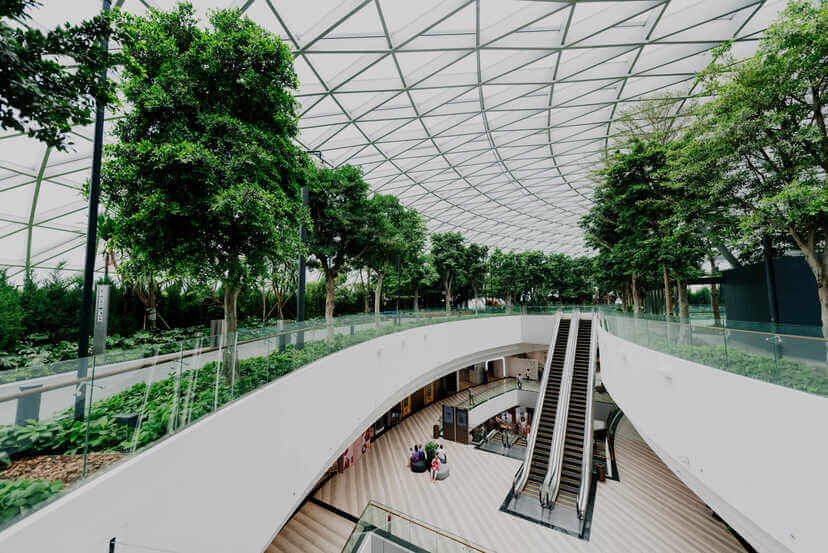
The construction industry stands at a pivotal juncture as the need for sustainability intersects with rapid infrastructural development. As global challenges like climate change and resource depletion intensify, the adoption of sustainable construction practices has transitioned from being a mere option to an absolute necessity.
In this context, infrastructure (Infra) development and Public Sector Undertakings (PSUs) play a crucial role in steering the industry towards a more sustainable future.
The Imperative for Sustainable Construction
Sustainable construction, often synonymous with ‘green building,’ refers to the practice of creating structures that are environmentally responsible and resource-efficient throughout their lifecycle—from design and construction to operation, maintenance, and deconstruction.This approach not only reduces environmental harm but also improves occupants’ health and well-being.
In India, the significance of sustainable construction is underscored by the nation’s ranking as second globally, just after the United States, in terms of the number of green technology projects and built-up area.
The Role of Infrastructure in Sustainable Development
A nation’s development heavily relies on robust infrastructure, including transportation systems, energy networks, water supply, and waste management. The quality and sustainability of infrastructure directly influence a country’s economic growth, social equity, and environmental health. Investing in sustainable infrastructure is key to meeting current development needs while safeguarding resources for future generations.
In India, the construction industry is on a trajectory of significant growth, with projections estimating it to reach a staggering $1.4 trillion by 2025. This surge presents both an opportunity and a responsibility to integrate sustainable practices that can lead to resilient and eco-friendly infrastructure.
Public Sector Undertakings (PSUs): Catalysts for Sustainable Practices
Public Sector Undertakings (PSUs) in India have long played a key role in industrial and infrastructural development. Given their substantial influence and resources, PSUs are uniquely positioned to lead the transition towards sustainable construction practices. By integrating sustainability into their operational ethos, PSUs can set benchmarks for the private sector and ensure that large-scale projects adhere to environmental standards.
For instance, Indian Railways, one of the largest PSUs, has been actively pursuing sustainability initiatives, including electrification of routes, water conservation measures, and the adoption of renewable energy sources. These initiatives not only lower carbon footprints but also enhance resource efficiency, encouraging adoption across industries.
Emerging Trends in Sustainable Construction
Several innovative trends are shaping the future of sustainable construction by reducing environmental impact and improving efficiency:
- Use of Sustainable Materials: The shift towards materials like bamboo, fly ash bricks, recycled plastics, and bio-based products is gaining momentum. These materials offer superior insulation, lower carbon footprints, and reduced waste generation, making them ideal for sustainable construction.
- Energy-Efficient Building Designs: Incorporating designs that maximize natural light and ventilation, coupled with energy-efficient systems, significantly reduces a building’s energy consumption. This approach not only lowers operational costs but also minimizes environmental impact.
- Water Conservation Techniques: Implementing rainwater harvesting, wastewater recycling, and low-flow fixtures ensures the sustainable use of water resources, addressing the critical issue of water scarcity.
- Green Roofing and Vertical Gardens: These features enhance urban biodiversity, improve air quality, and provide natural insulation, contributing to the overall sustainability of urban environments.
- Smart Building Technologies: Integrating IoT devices enables real-time energy monitoring and optimization, improving sustainability.
Challenges and the Way Forward
Despite its clear benefits and rising adoption, sustainable construction still faces key challenges:
- Higher Initial Costs: Sustainable materials and technologies often require larger upfront investments, which may deter short-term-focused stakeholders.
- Lack of Awareness and Expertise: There remains a knowledge gap among builders, architects, and consumers regarding sustainable practices and their long-term benefits.
- Regulatory Hurdles: Inconsistent enforcement of environmental regulations can lead to the proliferation of unsustainable construction practices.
Addressing these challenges requires a multifaceted approach:
- Policy Interventions: Governments must implement and enforce policies that incentivize sustainable practices, such as tax breaks, subsidies, and expedited approvals for green projects.
- Capacity Building: Educational programs and professional training can equip stakeholders with the necessary skills and knowledge to implement sustainable practices effectively.
- Public-Private Partnerships: Collaborations between government entities and private firms can drive large-scale sustainable projects, sharing risks and benefits to promote broader adoption.
The Role of Moglix Business in Sustainable Fabrication
Moglix Business demonstrates a strong commitment to sustainability in fabrication. By offering a single-window solution for the design-build-delivery journey of fabrication projects, Moglix ensures that enterprises can access sustainable and efficient fabrication services.
The capabilities span from design engineering to onsite erection, all underpinned by a robust quality assurance framework. Notably, Moglix’s involvement in projects of national importance, such as India’s first bullet train corridor, showcases their commitment to advancing sustainable infrastructure.
Conclusion
The future of sustainable construction hinges on the collective efforts of all stakeholders, with infrastructure development and PSUs playing pivotal roles. By embracing sustainable materials, innovative technologies, and forward-thinking policies, the construction industry can build a future that harmonizes development with environmental stewardship. Companies like Moglix Business are leading the charge, demonstrating that sustainable practices are not just viable but essential in shaping a resilient and prosperous future.
Interested in sustainable construction solutions?
Contact us at info@moglixbusiness.com to explore customized options.
A Decade of Moglix: Revolutionising Industrial Supply Chains Through Innovation
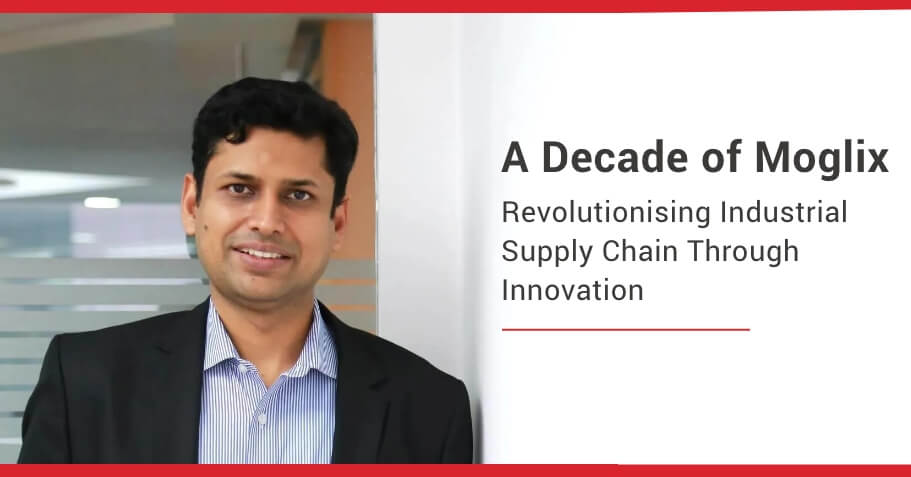
A Decade of Moglix: Revolutionising Industrial Supply Chains Through Innovation
Rahul Garg recently shared his reflections with Forbes India on a decade of innovation in industrial supply chains. Over the past ten years, Moglix has been at the forefront of transforming B2B distribution in the manufacturing sector through technology and strategic advancements. Garg highlighted how technology, data analytics, and automation have reshaped supply chains, making them more efficient, transparent, and responsive. He emphasized the critical role these innovations play in driving growth and operational efficiency across industries. Rahul insights highlighted the importance of continued innovation as supply chains evolve to meet the demands of a globalized economy
Safety Event Workshop (SafeWell) at Bayer Vapi
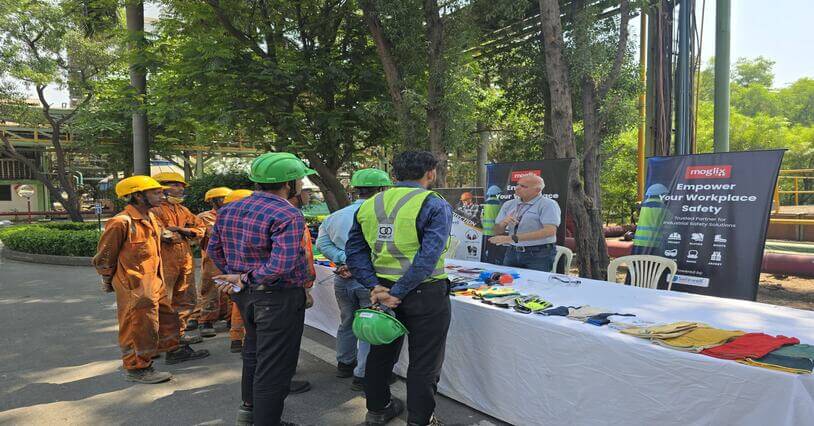
Safety Event Workshop (SafeWell) at Bayer Vapi
Date: 10th March’ 2025
Organizer: Moglix
About the event: During National Safety Week, Moglix joined hands with Safewell to conduct a comprehensive safety training at Bayer Vapi Private Limited, Vapi, Gujarat. With our mission of “Protecting You at Work,” we offer a complete range of safety gear—from helmets to protective clothing—ensuring a secure workplace for all. Because at Moglix, we believe that a safer workplace leads to greater efficiency.
Rahul Garg Shares Insights with Fortune India on E-Commerce Startups and Strategies for Growth
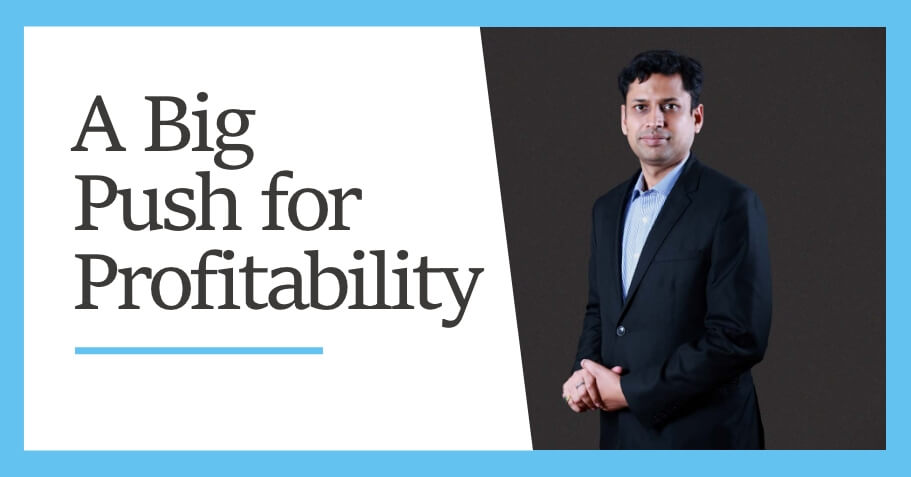
Rahul Garg Shares Insights with Fortune India on E-Commerce Startups and Strategies for Growth
Rahul Garg recently shared his insights with Fortune India on the evolving landscape of e-commerce startups. He emphasized the importance of startups identifying and establishing an ideal market fit to achieve sustainable growth and profitability. Garg discussed how leveraging technology and data analytics can help businesses understand customer needs and tailor their offerings accordingly. He also highlighted the significance of agility and adaptability in responding to market dynamics and consumer preferences. Garg’s perspectives offer valuable guidance for startups navigating the complexities of the digital commerce ecosystem.
Safety Event Workshop (Tungsten) at Hiranmaye Energy
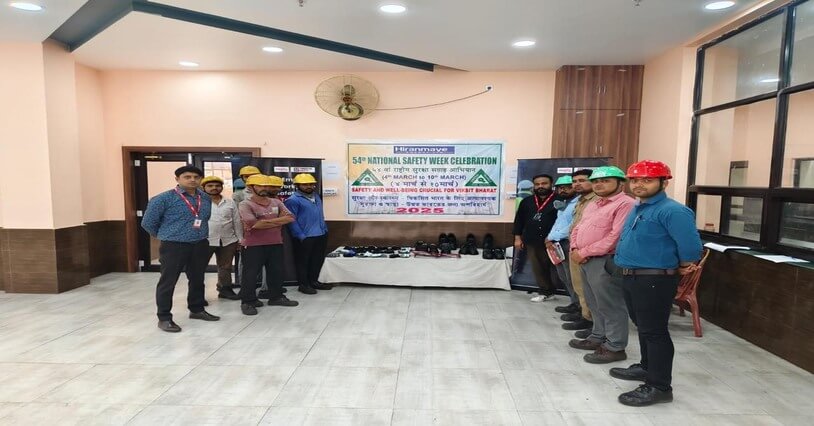
Safety Event Workshop (Tungsten) at Hiranmaye Energy
Date: 8th March’ 2025
Organizer: Moglix
About the event : We recently conducted an insightful safety training session at Hiranmaye Energy Limited, equipping teams with essential safety protocols, risk mitigation strategies, and best practices to ensure a secure and efficient work environment. Through proactive training and awareness, we empower industries to build a culture where safety comes first.
CII IWN Women’s day Event at IIM Mumbai
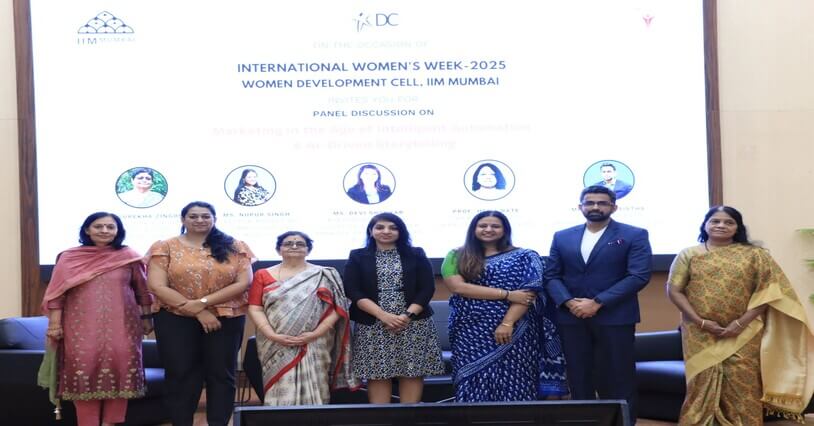
CII IWN Women’s day Event at IIM Mumbai
Date: 7th March’2025
Organizer: CII IWN X IIM Mumbai
About the event: On this Women’s Day, we’re happy to share that Ms. Nupur Singh, Director of Marketing and Communications at Moglix, was part of a powerful panel on “Marketing in the Age of Intelligent Automation & AI-Driven Storytelling” at CII WR (CII Western Region) IWN’s Women’s Day Initiative with Indian Institute of Management Mumbai.From streamlining processes to crafting impactful brand stories, the session was a deep dive into the future of marketing. It was great to be part of such an interactive audience with the bright minds of IIM Mumbai!
National Supply Chain Conference
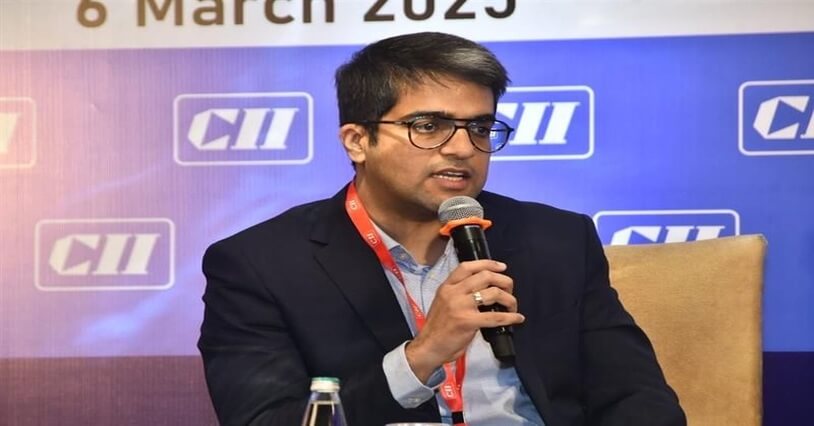
National Supply Chain Conference
Date: 6th March’2025
Organizer: CII
About the event: Mr. Bharat Gakhar, Director at Moglix, shared key insights at the CII (Confederation of Indian Industry) National Conference on Responsive Supply Chain for Indian Manufacturing on how innovation and resilience will drive the next era of supply chains. Moglix remains committed to fostering a dynamic and future-ready ecosystem, accelerating India’s journey towards Viksit Bharat @2047. A big thank you to all the industry leaders and experts who contributed to this impactful discussion!


 Back
Back